
The Quantum Revolution in Philosophy


Zusammenfassung
The feel-good place to buy books
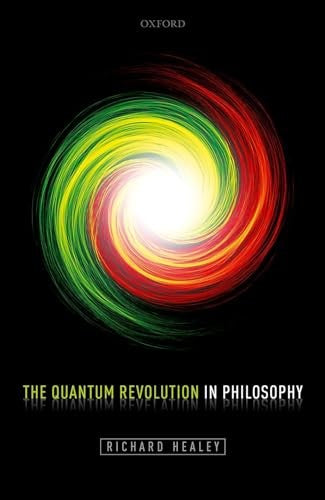
The Quantum Revolution in Philosophy by Richard Healey
Quantum theory launched a revolution in physics. But we have yet to understand the revolution's significance for philosophy. Richard Healey opens a path to such understanding. Most studies of the conceptual foundations of quantum theory first try to interpret the theory - to say how the world could possibly be the way the theory says it is. But, though fundamental, quantum theory is enormously successful without describing the world in its own terms. When properly applied, models of quantum theory offer good advice on the significance and credibility of claims about the world expressed in other terms. This first philosophical lesson of the quantum revolution dissolves the quantum measurement problem. Pragmatist treatments of probability and causation show how quantum theory may be used to explain the non-localized correlations that have been thought to involve "spooky" instantaneous action at a distance. Given environmental decoherence, a pragmatist inferentialist approach to content shows when talk of quantum probabilities is licensed, resolves any residual worries about whether a quantum measurement has a determinate outcome, and solves a dilemma about the ontology of a quantum field theory. This approach to meaning and reference also reveals the nature and limits of objective description in the light of quantum theory. While these pragmatist approaches to probability, causation, explanation and content may be independently motivated by philosophical argument, their successful application here illustrates their practical importance in helping philosophers come to terms with the quantum revolution.
The book is primarily intended for those without a background in QT: philosophers, scientists, and laypeople interested in going beyond the metaphors found in popular presentations... The Quantum Revolution marks a major advance. The vast majority of quantum interpreters have simply assumed that QT provides a novel description of reality. Those that have recognized other options typically have in mind subjectivist views like QBism. Healey's view provides an important third option: QT provides objectively correct guidance about the world. Healey's view suggests a radical revision to the standard problems and the philosophical import of QT, and such a shake-up is certainly good for progress in the area. * David Glick, British Journal for the Philosophy of Science *
Richard Healey has been Professor of Philosophy at the University of Arizona since 1991. One aim of his research has been to inquire how far foundational studies of physics shed light on metaphysical topics such as holism, realism, composition, time and causation. He is now exploring the relations between science and metaphysics from a broadly pragmatist perspective. His Gauging What's Real (2007), exploring the conceptual foundations of gauge theories in physics, was awarded the Lakatos Prize in the philosophy of science.
| SKU | Nicht verfügbar |
| ISBN 13 | 9780198714057 |
| ISBN 10 | 019871405X |
| Titel | The Quantum Revolution in Philosophy |
| Autor | Richard Healey |
| Buchzustand | Nicht verfügbar |
| Verlag | Oxford University Press |
| Erscheinungsjahr | 2017-06-15 |
| Seitenanzahl | 312 |
| Hinweis auf dem Einband | Die Abbildung des Buches dient nur Illustrationszwecken, die tatsächliche Bindung, das Cover und die Auflage können sich davon unterscheiden. |
| Hinweis | Nicht verfügbar |