
Interpretation and Theology in Spenser


Zusammenfassung
The feel-good place to buy books
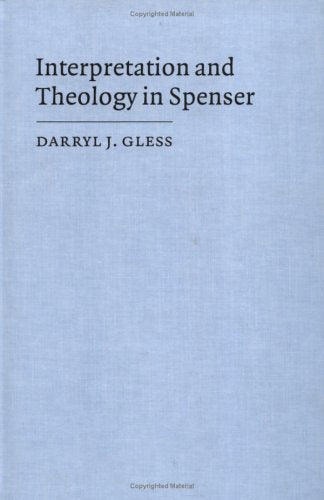
Interpretation and Theology in Spenser by Darryl J Gless
The extent to which a knowledge of sixteenth-century theological doctrines can help readers interpret the works of Edmund Spenser has long been a matter of controversy. In Interpretation and Theology in Spenser Darryl J. Gless offers a new approach: drawing on recent literary theories, he focuses less on what Spenser intended than on the ways readers might construe both the poet's works and the theological doctrines which those works invoke. Professor Gless demonstrates the seldom-admitted fact that theological texts, like literary ones, are subject to the interpretive activity of readers. Informed by this approach to Elizabethan theology, he develops a thorough analysis of the first, most widely studied, book of Spenser's Elizabethan epic The Faerie Queene. He concludes with a fast-moving survey of ways in which theological perspectives can enrich significant moments in later, less overtly theological, passages of Spenser's great poem.| SKU | Nicht verfügbar |
| ISBN 13 | 9780521434744 |
| ISBN 10 | 0521434742 |
| Titel | Interpretation and Theology in Spenser |
| Autor | Darryl J Gless |
| Buchzustand | Nicht verfügbar |
| Bindungsart | Hardback |
| Verlag | Cambridge University Press |
| Erscheinungsjahr | 1994-10-27 |
| Seitenanzahl | 287 |
| Hinweis auf dem Einband | Die Abbildung des Buches dient nur Illustrationszwecken, die tatsächliche Bindung, das Cover und die Auflage können sich davon unterscheiden. |
| Hinweis | Nicht verfügbar |