


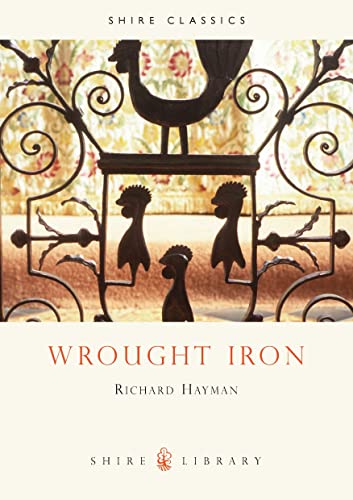
Wrought Iron by Richard Hayman
Wrought iron has been used as a decorative element in architecture since the eleventh century. Initially used to strengthen and embellish doors, the material was soon adopted for free-standing screens and railings in churches and cathedrals. Towards the end of the seventeenth century iron screens, gates and railings became a fashionable element of country and town houses, resulting in the most creative period of decorative ironwork. Though the cheaper technique of casting led to a subsequent decline in wrought iron, the latter underwent a revival at the end of the nineteenth century, encouraged by its use in the designs of influential architects such as William Burges and Charles Rennie Mackintosh. This book provides an introductory guide to decorative wrought iron, describing how it was made, its context in architectural history and where fine examples remain extant today.
Richard Hayman is an architectural historian who has for many years been involved with the listing of historic buildings in Wales and England. He is the author of Wrought Iron (2000), also published by Shire, and A Concise Guide to the Parish Church (2007).
| SKU | Nicht verfügbar |
| ISBN 13 | 9780747804413 |
| ISBN 10 | 0747804419 |
| Titel | Wrought Iron |
| Autor | Richard Hayman |
| Serie | Shire Library |
| Buchzustand | Nicht verfügbar |
| Bindungsart | Paperback |
| Verlag | Bloomsbury Publishing PLC |
| Erscheinungsjahr | 2011-03-10 |
| Seitenanzahl | 32 |
| Hinweis auf dem Einband | Die Abbildung des Buches dient nur Illustrationszwecken, die tatsächliche Bindung, das Cover und die Auflage können sich davon unterscheiden. |
| Hinweis | Nicht verfügbar |