Affectual Erasure by Cynthia Margarita Tompkins
Comprehensive examination of how Indigenous peoples have been represented in Argentine film.
Affectual Erasure examines how Argentine cinema has represented Indigenous peoples throughout a period spanning roughly a century. Cynthia Margarita Tompkins interrelates her discussion of films with the ethnographic context of the Indigenous peoples represented and an analysis of the affective dimensions at play. These emotions underscore the inherent violence of generic conventions, as well as the continued political violence preventing Indigenous peoples from access to their ancestral lands and cultural mores. Tompkins explores a broad range of movies beginning in the silent period and includes both feature films and documentaries, underscored by archival and contemporary film stills. She traces the initial erotic projection, moving through melodrama to the conventions of the Western, into the 1960s focus on decolonization, superseded by allegorical renditions and the promise of self-expression in late twentieth-century documentaries. Each section includes an introduction to the sociohistorical events of the period and their impact on film production. Analyzed chronologically, the films evidence different stages in the projection of the hegemonic Argentine imaginary, which fails to envision the daily life of Indigenous peoples prior to conquest or in colonial times-and remains in denial of their existence in the present.
You might also like

We Did Ok, Kid

The Memory Lane Quiz Book (Large Print)
The Showgirl and the Prince

Happy, Thank You. More, Please.
Hero with a Thousand Faces


The Make-Believe

The Unofficial Ghibli Cookbook
Moana (Disney Modern Classics)
Bottom of the Pyramid


The Stanley Kubrick Archives

My Autobiography

Star Wars The Mandalorian Visual Guide
Disney Affirmations

The 80th Birthday Trivia Challenge
Creative Writing Exercises
-
 Mexico Unmanned
-
 Brazilian Science Fiction Film
-
 Film and History in Revolutionary Cuba
-
 Expanding Cinemas
-
 The White Indians of Mexican Cinema
-
 Animation in Mexico, 2006 to 2022
-
 Ana M. López
-
 The Mexican Revolution on the World Stage
-
 Alton's Paradox
-
 Woman-Centered Brazilian Cinema
-
 Blood Circuits
-
 The Projected Nation
-
 Tastemakers and Tastemaking
-
 Listening to Others
-
 Bodies of Water
-
 Pushing Past the Human in Latin American Cinema
-
 Unholy Trinity


"This is an enormous contribution to film and cultural studies, due to its meticulously researched registry of film titles and filmmakers, primary and secondary source bibliography, direct citations from the films translated into English, important stills and basic biography of the filmmakers, carefully analysed within the era of production of the individual workEspecially valuable are the introductions to each era, which historicize the films within the cinema tradition of the time." — Bulletin of Spanish Studies
"…[an] ambitious, wide-ranging book." — CHOICE
"Cynthia Margarita Tompkins's book is the most comprehensive analysis of the cinematic representations of Argentinean Indigenous peoples ever written. Her writing is lucid, insightful, grounded in a thorough familiarity with the films, and aware of the most current theoretical debates in film/theory and cultural studies. The book will surely become a breakthrough in its field." — Santiago Juan-Navarro, author of Archival Reflections: Postmodern Fiction of the Americas (Self-Reflexivity, Historical Revisionism, Utopia)
Cynthia Margarita Tompkins is Professor of Spanish at Arizona State University and the author of Experimental Latin American Cinema: History and Aesthetics.
| SKU | Unavailable |
| ISBN 13 | 9781438470962 |
| ISBN 10 | 1438470967 |
| Title | Affectual Erasure |
| Author | Cynthia Margarita Tompkins |
| Series | Suny Series In Latin American Cinema |
| Condition | Unavailable |
| Binding Type | Paperback |
| Publisher | State University of New York Press |
| Year published | 2019-07-02 |
| Number of pages | 398 |
| Cover note | Book picture is for illustrative purposes only, actual binding, cover or edition may vary. |
| Note | Unavailable |
Customers who bought this item also bought
We Did Ok, Kid
The Memory Lane Quiz Book (Large Print)
The Showgirl and the Prince
Happy, Thank You. More, Please.
Hero with a Thousand Faces
The Make-Believe
The Unofficial Ghibli Cookbook
Moana (Disney Modern Classics)
Bottom of the Pyramid
The Stanley Kubrick Archives
My Autobiography
Star Wars The Mandalorian Visual Guide
Disney Affirmations
The 80th Birthday Trivia Challenge
Creative Writing Exercises
The Nolan Variations
Quentin Tarantino

Fawlty Towers: Fawlts and All

Midsomer Murders Location Guide

What Have I Done?

The Film Book
The Pinnacle

The Art of Wish
The World of Avatar Updated Edition

The Director

The Writer's Journey
Gladiators: Ready!
No Lessons Learned

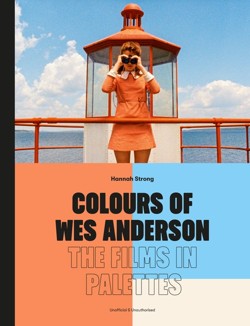
Colours of Wes Anderson

Ghosts: Brought to Life

Frank Skinner Autobiography
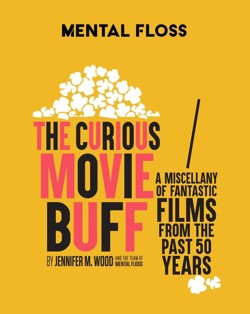
Mental Floss: The Curious Movie Buff