
Stoic Ethics by William O Stephens
Soon after Aristotle's death, several schools of ancient philosophy arose, each addressing the practical question of how to live a good, happy life. The two biggest rivals, Stoicism and Epicureanism, came to dominate the philosophical landscape for the next 500 years. Epicureans advised pursuing pleasure to be happy, and Stoics held that true happiness could only be achieved by living according to nature, which required accepting what happens and fulfilling one's roles. Stoicism, more than Epicureanism, attracted followers from many different walks of life: slaves, laborers, statesmen, intellectuals, and an emperor. The lasting impact of these philosophies is seen from the fact that even today 'Stoic' and 'Epicurean' are household words. Although very little of the writings of the early Stoics survive, our knowledge of Stoicism comes largely from a few later Stoics. In this unique book, William O. Stephens explores the moral philosophy of Epictetus, a former Roman slave and dynamic Stoic teacher whose teachings are the most compelling defense of ancient Stoicism that exists. Epictetus' philosophy dramatically captures the spirit of Stoicism by examining and remedying our greatest human disappointments, such as the death of a loved one. Stephens shows how, for Epictetus, happiness results from focusing our concern on what is up to us while not worrying about what is beyond our control. He concludes that the strength of Epictetus' thought lies in his conception of happiness as freedom from fear, worry, grief, and dependence upon luck.You might also like

The Daily Stoic
Loading...



The Doors of Perception
Loading...


Meditations
Loading...

The Cat and The Moon - 33 Zen Stories
Loading...
The Little Book of Philosophy
Loading...


The Pig that Wants to Be Eaten
Loading...

God, the Science, the Evidence
Loading...


On the Shortness of Life
Loading...
An Enquiry concerning Human Understanding
Loading...

I am That
Loading...

The Art of War
Loading...

Existentialism and Humanism
Loading...
Tao Te Ching
Loading...

Japonisme
Loading...
The Consolations of Philosophy
Loading...
Moral Ambition
Loading...

The Tao of Pooh & The Te of Piglet
Loading...
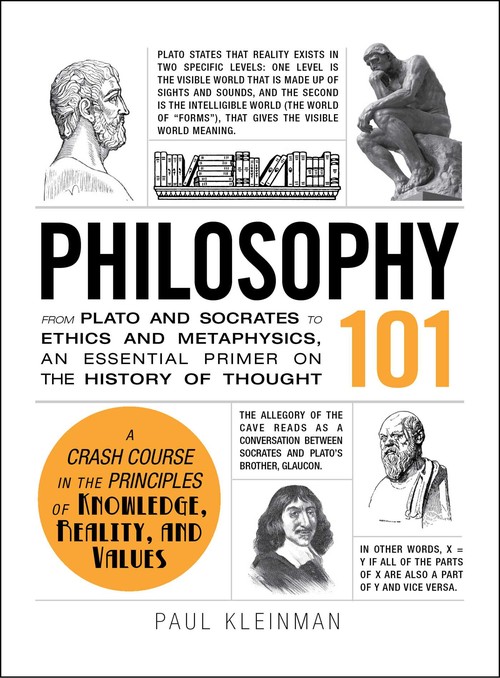
Philosophy 101
Loading...
-
 The Socratic Method
-
 Plato's Stepping Stones
-
 Aristotle's Theory of Knowledge
-
 Pleasure in Aristotle's Ethics
-
 Happiness and Greek Ethical Thought
-
 Pythagoras and the Doctrine of Transmigration
-
 Aristotle's Ethics
-
 Parmenides and To Eon
-
 Stoic Virtues
-
 Parmenides, Plato and Mortal Philosophy
-
 Techne in Aristotle's Ethics
-
 Plato, Metaphysics and the Forms
-
 The Ideas of Socrates
-
 Aristotle and Rational Discovery
-
 Plato on Virtue and the Law
-
 Aristotle and Natural Law
-
 Early Greek Thought
-
 Becoming God
-
 Aristotle's Metaphysics
-
 The Enduring Significance of Parmenides


| SKU | Unavailable |
| ISBN 13 | |
| ISBN 10 | |
| Title | Stoic Ethics |
| Author | William O Stephens |
| Series | |
| Condition | Unavailable |
| Binding Type | |
| Publisher | |
| Year published | |
| Number of pages | |
| Cover note | Book picture is for illustrative purposes only, actual binding, cover or edition may vary. |
| Note | Unavailable |


Customers who bought this item also bought
The Daily Stoic
Loading...
The Doors of Perception
Loading...
Meditations
Loading...
The Cat and The Moon - 33 Zen Stories
Loading...
The Little Book of Philosophy
Loading...
The Pig that Wants to Be Eaten
Loading...
God, the Science, the Evidence
Loading...
On the Shortness of Life
Loading...
An Enquiry concerning Human Understanding
Loading...
I am That
Loading...
The Art of War
Loading...
Existentialism and Humanism
Loading...
Tao Te Ching
Loading...
Japonisme
Loading...
The Consolations of Philosophy
Loading...
Moral Ambition
Loading...
The Tao of Pooh & The Te of Piglet
Loading...
Philosophy 101
Loading...
Together
Loading...
The Joyous Science
Loading...
The First Philosophers
Loading...
The Little Book of Humanism
Loading...

The Happiness of Dogs
Loading...


The ZEN of Letting Go
Loading...
View All Editions
Filter
Applied Filters (0)
Sort by:
Loading editions...