


The Canterbury Tales by Geoffrey Chaucer
During his life, Geoffrey Chaucer (born c.1340) was courtier, diplomat, revenue collector, administrator, negotiator, overseer of building projects, landowner and knight of the shire. He was servant, retainer, husband, friend and father, but is now mainly known as a poet and ‘the father of English literature’, a postion to which he was raised by other writers in the generation after his death. It was Boccaccio’s Decameron which inspired Chaucer, in the 1390s, to begin work on The Canterbury Tales, which was still unfinished at his death in October 1400. It tells the story of a group of 30 pilgrims who meet at the Tabard Inn in Southwark, on the south bank of the Thames opposite the city of London, and travel together to visit the then famous shrine of St Thomas Becket in Canterbury cathedral. The tavern host, who accompanies them, suggests that they amuse one another along the way by telling stories, with the best storyteller awarded a meal in the tavern (paid for by all the others) on their return. The stories told by the pilgrims range from bawdy comedies through saints’ lives and moral tracts to courtly romances, always delivered with a generous helping of Chaucer’s own sly wit and ironic humour. Although basing his characters on the stereotypes of ‘estates satire’, Chaucer succeeds in his aim of producing an overview of his times and their culture, for posterity, in the manner of Italian, proto-Renaissance, writers.This transcription and edition is taken from British Library MS Harley 7334, produced within ten years of Chaucer’s death. The on-page notes and glosses aim to enable readers with little or no previous experience of medieva
Geoffrey Chaucer was born in London in around 1342, the son of a wine merchant, and his life was spent in royal government service, therefore his career is particularly extensively documented. By 1357, Chaucer had become a page to the bride of Prince Lionel, Edward III's second son, and it was while in the prince's service that Chaucer was ransomed when he was arrested in France in 1359-60. Philippa, Chaucer's wife, whom he married around. Katherine Swynford, the mistress (c. 1365), was her sister. 1370) and John of Gaunt, Duke of Lancaster's third wife (1396), whose first wife Blanche (d.
The Book of the Duchess, Chaucer's ealrist great poem, is dedicated to her. From 1366 and 1378, Chaucer worked as a customs controller on wool in the port of London, although he also traveled overseas on official business, including two visits to Italy in 1372-3 and 1378. The effect of Chaucer's interaction with Italian literature may be felt in the late 1370s and early 1380s poetry he created, such as The House of Fame, The Parliament of Fowls, and a version of The Knight's Tale, and it reaches its pinnacle in Troilus and Criseyde. Chaucer was a member of parliament for Kent in 1386, but he resigned his customs job the following year, while he was appointed Clerk of the King's Works in 1389 (resigning in 1391).
After finishing Troilus and translating Boethius' De consolatione philosophiae into English prose, Chaucer began his Legend of Good Ladies. He worked on his most ambitious effort, The Canterbury Tales, in the 1390s, but it remained unfinished when he died. Chaucer rented a residence in the Westminster Abbey grounds in 1399, but died in 1400 and was buried there.
| SKU | Unavailable |
| ISBN 13 | 9781840226928 |
| ISBN 10 | 1840226927 |
| Title | The Canterbury Tales |
| Author | Geoffrey Chaucer |
| Series | Wordsworth Poetry Library |
| Condition | Unavailable |
| Binding Type | Paperback |
| Publisher | Wordsworth Editions Ltd |
| Year published | 2012-10-08 |
| Number of pages | 768 |
| Cover note | Book picture is for illustrative purposes only, actual binding, cover or edition may vary. |
| Note | Unavailable |
Customers who bought this item also bought
-
 Beowulf
-
 To the Women - The New Collection of Wise Words Every Woman Needs
-
 The Complete Works of Alberto Caeiro
-
 The Aeneid
-
 Beautiful Chaos
-
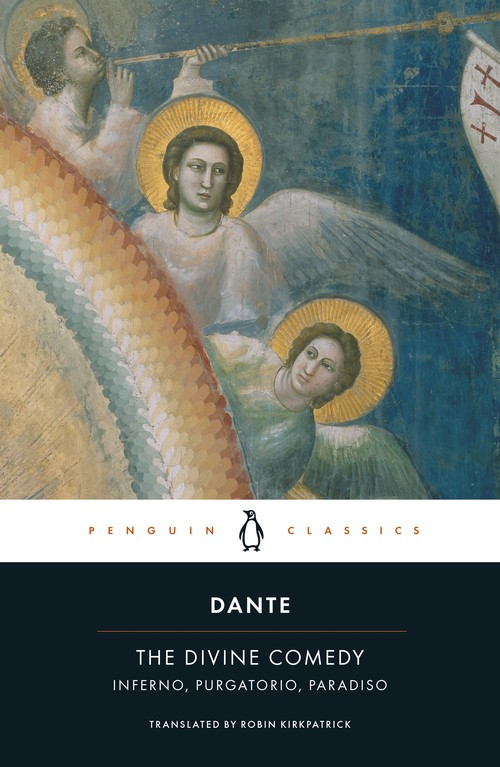 The Divine Comedy
-
 The Odyssey
-
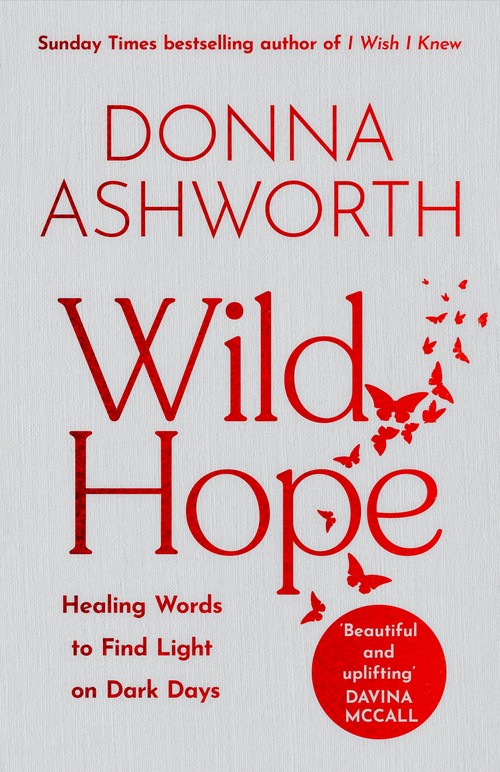 Wild Hope
-
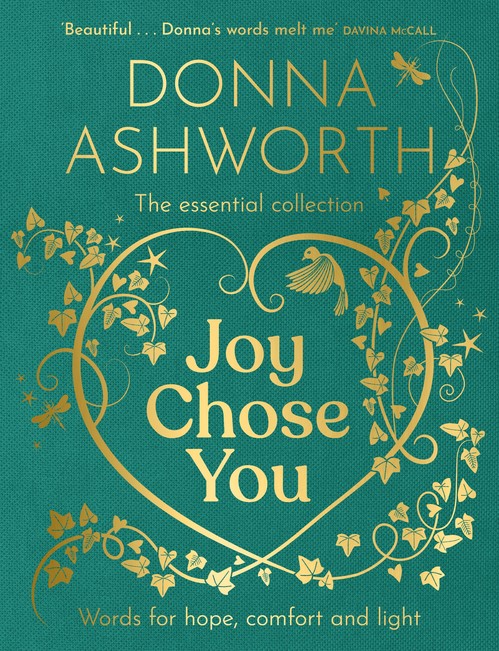 Joy Chose You: Words for Hope, Comfort and Light
-
 Loss
Loss
-
 Paradise Lost
-
 The Iliad
-
 Violet Bent Backwards Over the Grass
-
 All the Sonnets of Shakespeare
-
 Best Love Poems of All Time
-
 Metamorphoses
-
 The Poetry Pharmacy
-
 Feminine Gospels
-
 The Odyssey
-
 Wonderful
-
 Let the Light Pour In
-
 John Betjeman Collected Poems
-
 Selected Poems
-
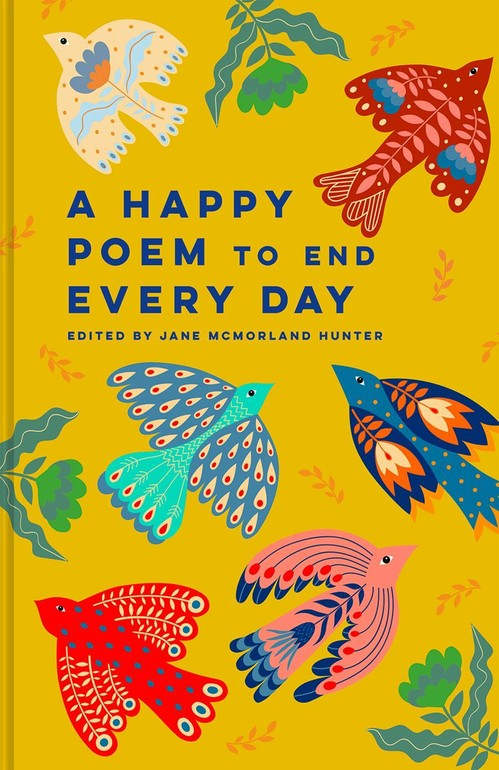 A Happy Poem to End Every Day
-
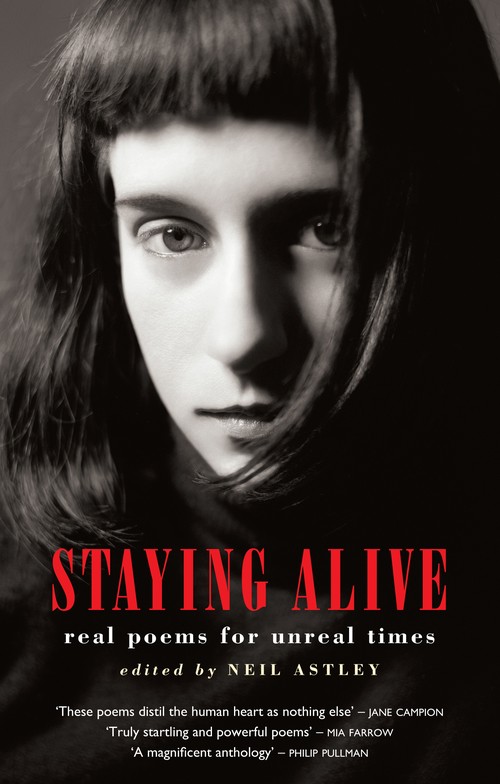 Staying Alive
-
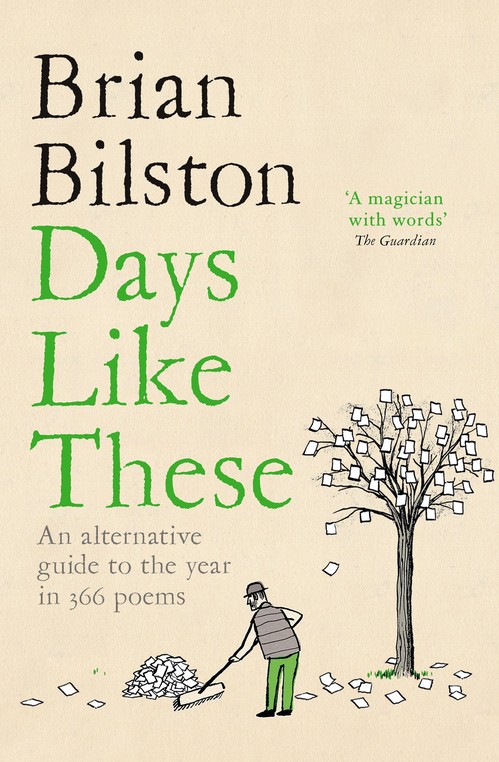 Days Like These
-
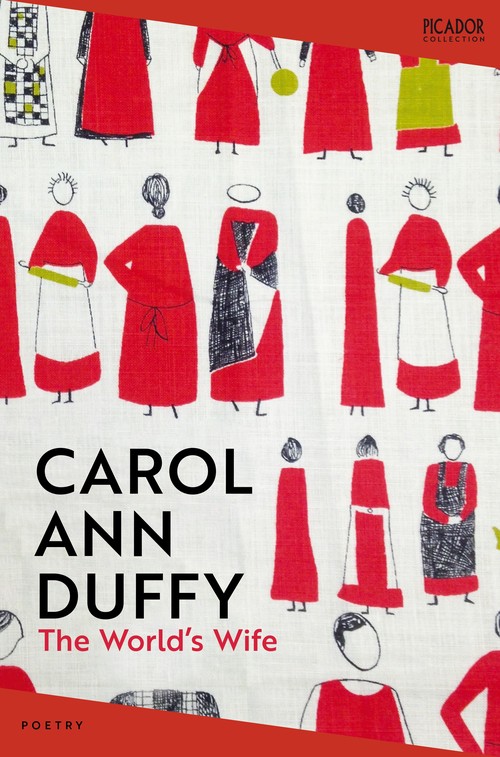 The World's Wife
-
 Growing Brave: Words to soothe fear and let in more life
-
 Poems of the Decade
-
 Finding Joy
-
 The Sun and Her Flowers
-
 The Divine Comedy
-
 The Inferno: The Divine Comedy I
-
 The Collected Poems of William Wordsworth
-
 The Pleasures of the Damned
-
 The Nation's Favourite: Poems
-
 The Collected Poems of W.B. Yeats
-
 I Wish I Knew
-
 Tyger, Tyger
-
 The Collected Poems
-
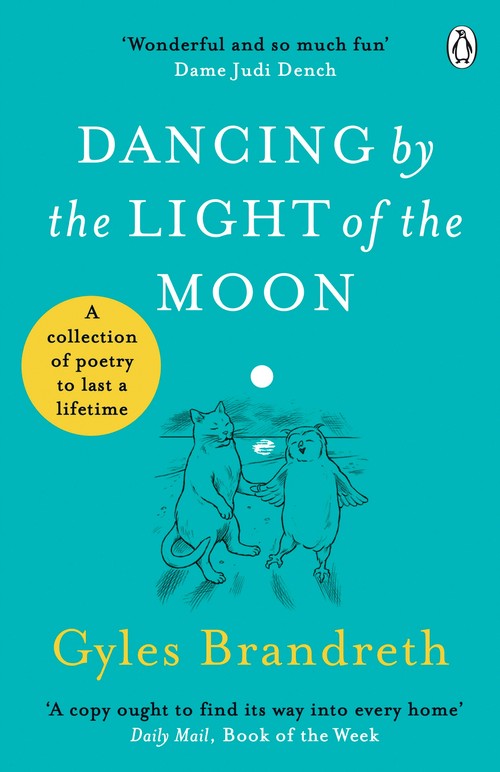 Dancing By The Light of The Moon
-
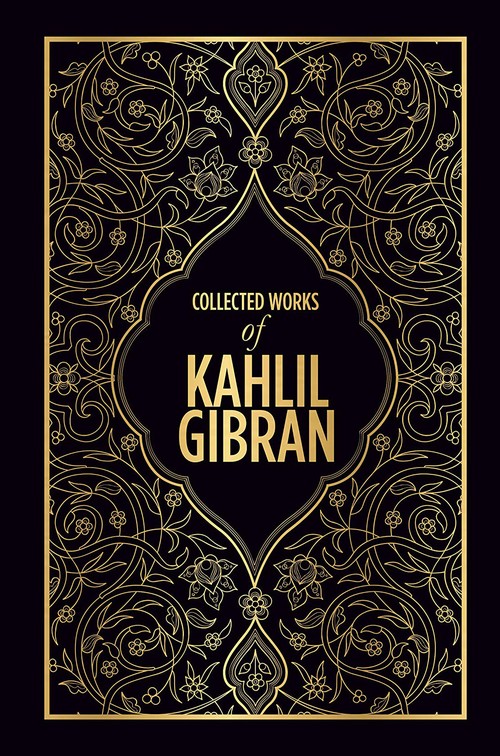 Kahlil Gibran
-
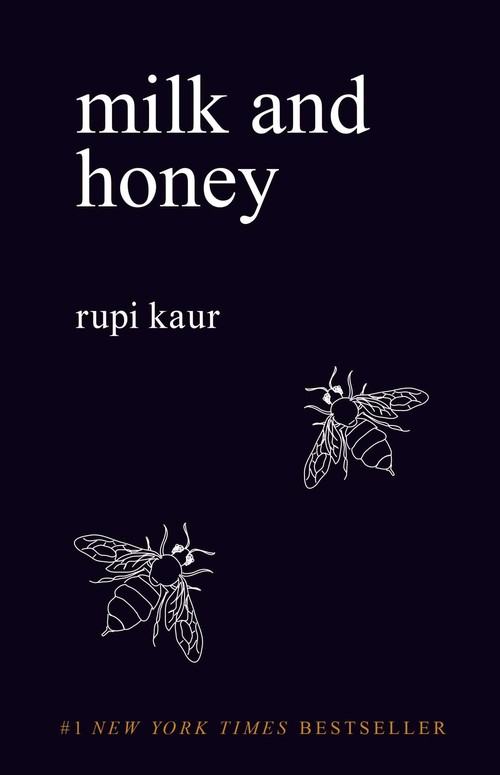 Milk and Honey
-
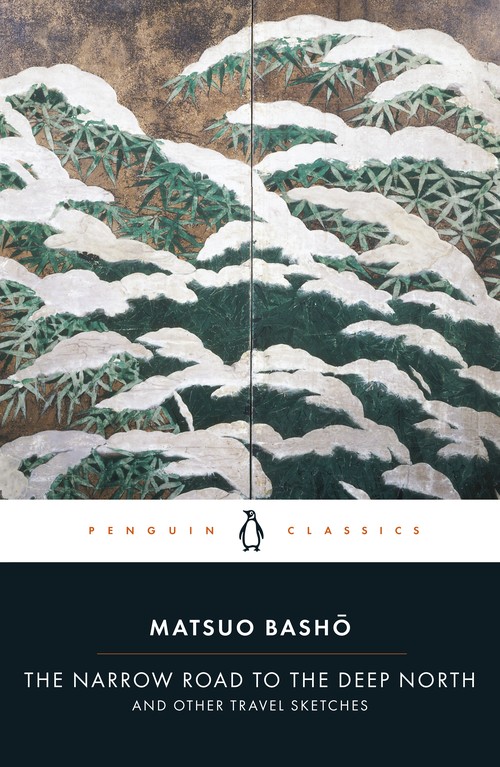 The Narrow Road to the Deep North and Other Travel Sketches
-
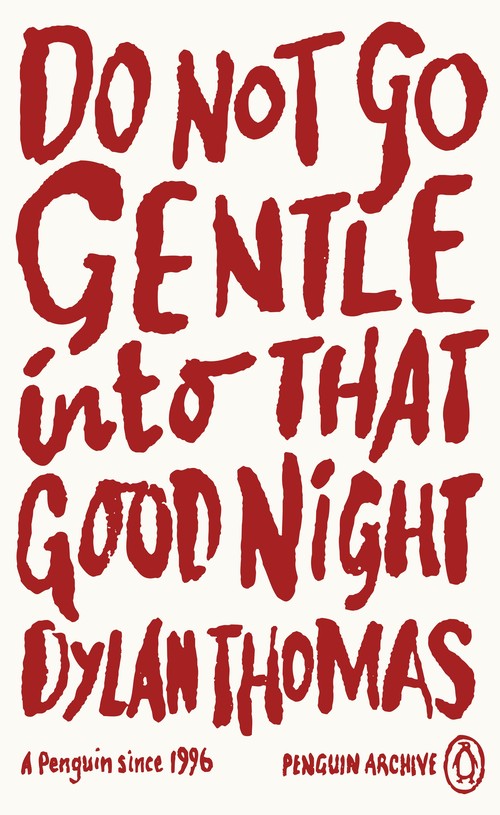 Do Not Go Gentle Into That Good Night
-
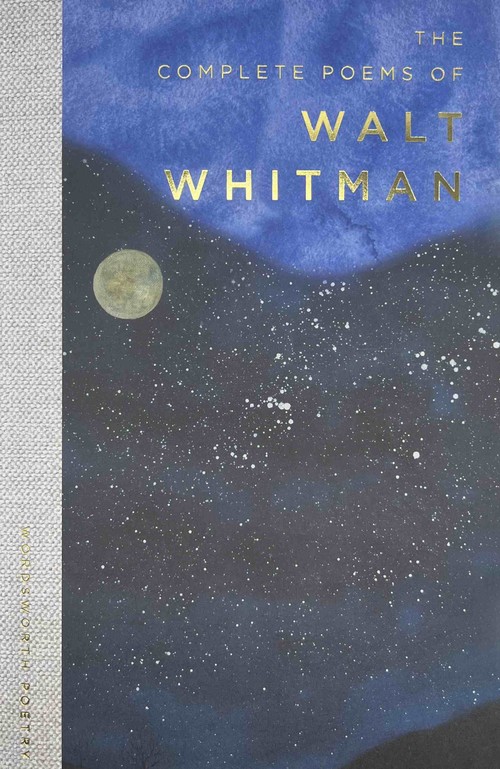 The Complete Poems of Walt Whitman
-
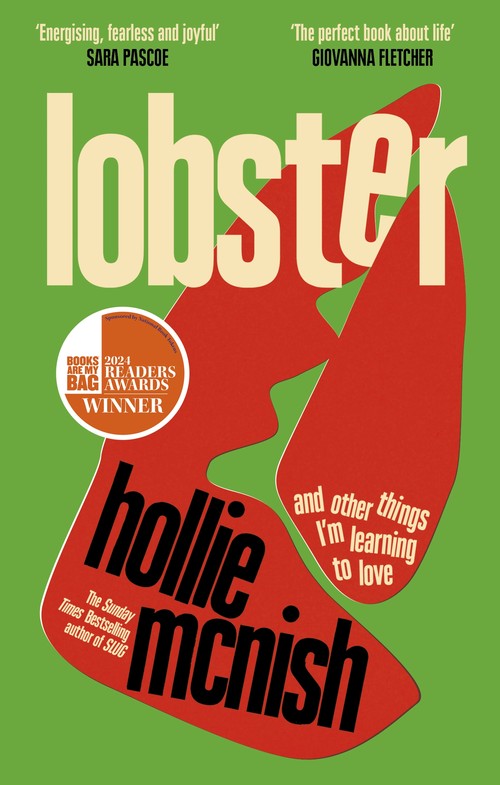 Lobster
-
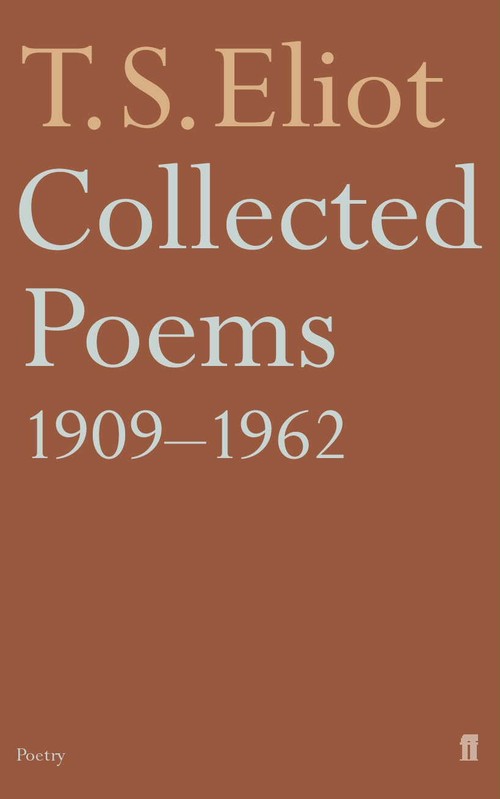 Collected Poems 1909-1962
-
 save me an orange
-
 Selected Poems: Rossetti