


Confucian Capitalism by John H Sagers
With the life story of Shibusawa Eiichi (1840-1931), one of the most important financiers and industrialists in modern Japanese history, as its narrative focal point, this book explores the challenges of importing modern business enterprises to Japan, where the pursuit of profit was considered beneath the dignity of the samurai elite.You might also like
The Undercover Economist
Loading...

1929
Loading...
Can We Be Rich Again?
Loading...
Doughnut Economics
Loading...

Follow the Money
Loading...

Economics: The User's Guide
Loading...


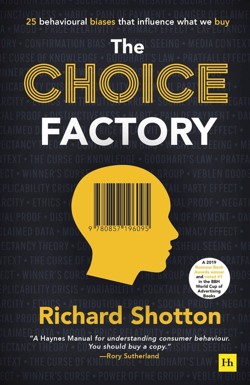
The Choice Factory
Loading...
-
 The Political and Economic History of North Cyprus
-
 An Economist's Guide to Economic History
-
 Landscape History and Rural Society in Southern England
-
 Japanese Colonialism in Manchuria, 1907–1945
-
 The Political Economy of India's Economic Development
-
 Network Analysis for Economic, Business and Financial History
-
 The Credit Channel and the Subprime Mortgage Crisis
-
 Private Entrepreneurship and European Imperialism
-
 Revenue-Raising Institutions, State Organization and Economic Change in the Early Modern Ottoman Empire
-
 Twilight of an Industry in East Africa
-
 Revival of a City
-
 Inter and Post-war Tourism in Western Europe, 19161960
-
 The Modern Portuguese Economy in the Twentieth and Twenty-First Centuries
-
 The Imperial Mode of China
-
 Socialism with a Human Face
-
 Unfree Workers
-
 Female Entrepreneurs in the Long Nineteenth Century
-
 Capital and Colonialism
-
 The Transformation of Maritime Professions
-
 The Political Economy of Reforms and the Remaking of the Proletarian Class in China, 1980s-2010s
-
 Imperialism and Economic Development in Sub-Saharan Africa
-
 Work in Early Modern Italy, 1500–1800
-
 Freedom and Capitalism in Early Modern Europe
-
 Westernization Movement and Early Thought of Modernization in China
-
 The Evolution of the Political, Social and Economic Life of Cyprus, 1191-1950
-
 Irish Nation Building
-
 Endogenous Growth in Historical Perspective
-
 The Portuguese Escudo Monetary Zone
-
 Banking, Projecting and Politicking in Early Modern England
-
 Monetary Transitions
-
 Mining, Money and Markets in the Early Modern Atlantic
-
 The Creation of the East Timorese Economy
-
 Commodity Frontiers and Global Capitalist Expansion
-
 Social Support Systems in Rural Italy
-
 The Politics and Policies of European Economic Integration, 18501914
-
 Swedish Economists in the 1930s Debate on Economic Planning
-
 Changes in Population, Inequality and Human Capital Formation in the Americas in the Nineteenth and Twentieth Centuries
-
 Technology and Globalisation
-
 Trade, Regulation and Empire State-building in Britain


Shibusawa's enormous contribution to the economic success story of Meiji Japan, Sagers argues, was not primarily based on business interests but on mutual trust and on the time-honored values of moral commitmentThese key attributes of the business ethics promoted by Shibusawa, which paid heed to the importance of social harmony, deserve the attention of the readers of the twenty-first century as well: in particular those with keen interest in East Asian religions. (Lehel Balogh, Religious Studies Review, Vol. 45 (2), June, 2019)
John H. Sagers is Professor of East Asian History at Linfield College, USA. He received his PhD in history from the University of Washington, USA; was a Fulbright Fellow at Rikkyo University, Japan; and held a Japan Foundation Fellowship. In 2006, he published his first book Origins of Japanese Wealth and Power: Reconciling Confucianism and Capitalism, 1830–1885 with Palgrave Macmillan.
| SKU | Unavailable |
| ISBN 13 | 9783030094744 |
| ISBN 10 | 303009474X |
| Title | Confucian Capitalism |
| Author | John H Sagers |
| Series | Palgrave Studies In Economic History |
| Condition | Unavailable |
| Binding Type | Paperback |
| Publisher | Springer Nature Switzerland AG |
| Year published | 2019-01-30 |
| Number of pages | 245 |
| Cover note | Book picture is for illustrative purposes only, actual binding, cover or edition may vary. |
| Note | Unavailable |
Customers who bought this item also bought
The Undercover Economist
Loading...
1929
Loading...
Can We Be Rich Again?
Loading...
Doughnut Economics
Loading...
Follow the Money
Loading...
Economics: The User's Guide
Loading...
The Choice Factory
Loading...


All You Need To Know About The City
Loading...

How Countries Go Broke
Loading...

Can You Run the Economy?
Loading...
Economics
Loading...

The Little Book of Economics
Loading...
The Economic Consequences of Mr Trump
Loading...

The Data Detective
Loading...
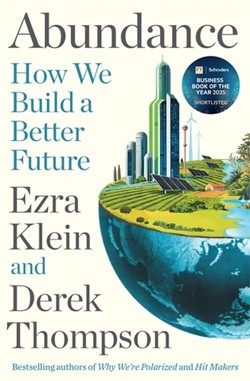
Abundance
Loading...
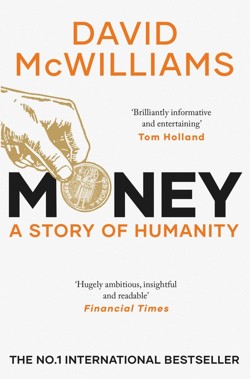
Money
Loading...
The Origin of Capitalism
Loading...

Debt
Loading...