


The Denial of Death by Ernest Becker
Winner of the 1974 Pulitzer Prize and the culmination of Ernest Becker's life's work, The Denial of Death is one of the twentieth-century's great works. In it Ernest Becker passionately seeks to understand the basis of human existence. Taking the fundamental fact of existence as man's refusal to acknowledge his own mortality, Becker sheds new light on humanity and the meaning of life itself. Becker views human civilisation and achievement as an attempt to transcend a sense of mortality. Mankind seeks heroic acts to become part of something eternal; even though the physical body will die one day, life can still have meaning and a greater significance. In the modern world much conflict between religions, nations and ideologies are the result of contradictory 'immortality projects' but Becker sees these as false and looks for alternative immortality projects that can restore the heroic sense, as well as bringing about a better world.
An original, creative contribution to a synthesis of this generation's extensive explorations in psychology and theology* Boston Herald *
One of those rare masterpieces that will stimulate your thoughts, your intellectual curiosity, and last but not least, your soul. * Elisabeth Kubler-Ross, author, On Death and Dying *
A brave work of electrifying intelligence and passion, optimistic and revolutionary, destined to endure. * New York Times Book Review *
Concerns the 'universality of the fear of death'... Its approach is more philosophical than psychologically or medically empirical. -- Theology
Meditating on death and its influence on our culture... that the fear of death is the single motivating fact of human endeavour and that all art and philosophy come from trying to deal with obsolescence. -- The Catholic Herald
One of the few great books of the 20th or any other century. -- Albuquerque Journal Book Review
It is hard to overestimate the importance of this book: Becker succeeds brilliantly in what he sets out to do, and the effort was necessary. -- The Chicago Sun-Times
One hopes that every generation... will bring this brilliant book to the attention of new readers. * California Literary Review *
One of those rare masterpieces that will stimulate your thoughts, your intellectual curiosity, and last but not least, your soul. * Elisabeth Kubler-Ross, author, On Death and Dying *
A brave work of electrifying intelligence and passion, optimistic and revolutionary, destined to endure. * New York Times Book Review *
Concerns the 'universality of the fear of death'... Its approach is more philosophical than psychologically or medically empirical. -- Theology
Meditating on death and its influence on our culture... that the fear of death is the single motivating fact of human endeavour and that all art and philosophy come from trying to deal with obsolescence. -- The Catholic Herald
One of the few great books of the 20th or any other century. -- Albuquerque Journal Book Review
It is hard to overestimate the importance of this book: Becker succeeds brilliantly in what he sets out to do, and the effort was necessary. -- The Chicago Sun-Times
One hopes that every generation... will bring this brilliant book to the attention of new readers. * California Literary Review *
Ernest Becker taught at Simon Fraser University in Canada. His work drew on that of Kierkegaard, Freud, Wilhelm Reich and Otto Rank. He was awarded the Pulitzer Prize in 1974 for The Denial of Death.
| SKU | Unavailable |
| ISBN 13 | 9780285638976 |
| ISBN 10 | 0285638971 |
| Title | The Denial of Death |
| Author | Ernest Becker |
| Condition | Unavailable |
| Binding Type | Paperback |
| Publisher | Profile Books Ltd |
| Year published | 2011-04-01 |
| Number of pages | 336 |
| Cover note | Book picture is for illustrative purposes only, actual binding, cover or edition may vary. |
| Note | Unavailable |
Customers who bought this item also bought
-
 Meditations
-
 The Daily Stoic
-
 Humankind
-
 Think
Think
-
 The Republic
-
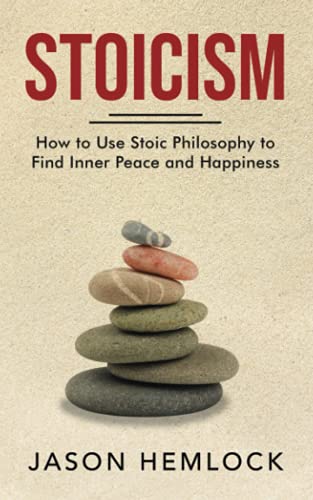 Stoicism
-
 Zen and the Art of Motorcycle Maintenance
-
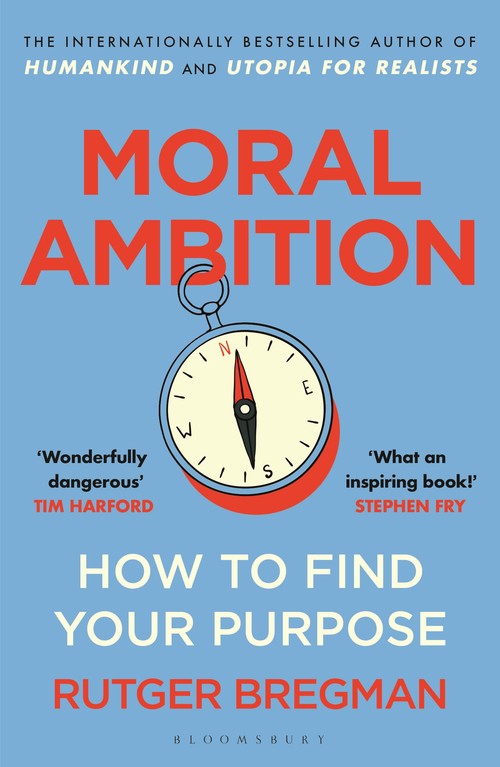 Moral Ambition
-
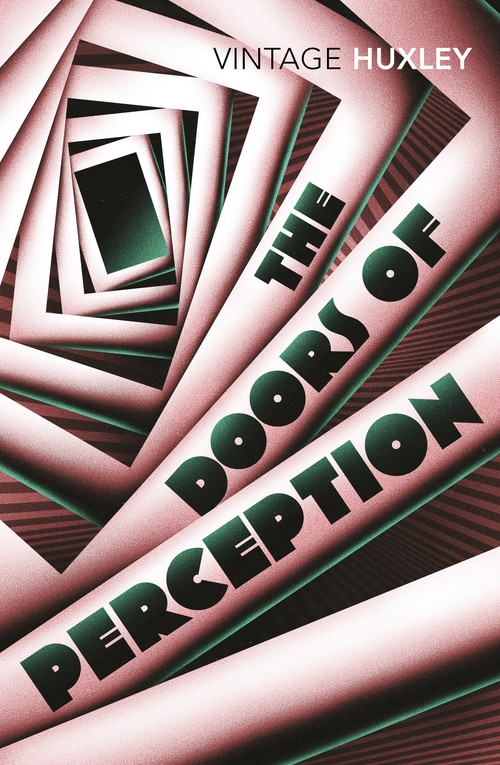 The Doors of Perception
-
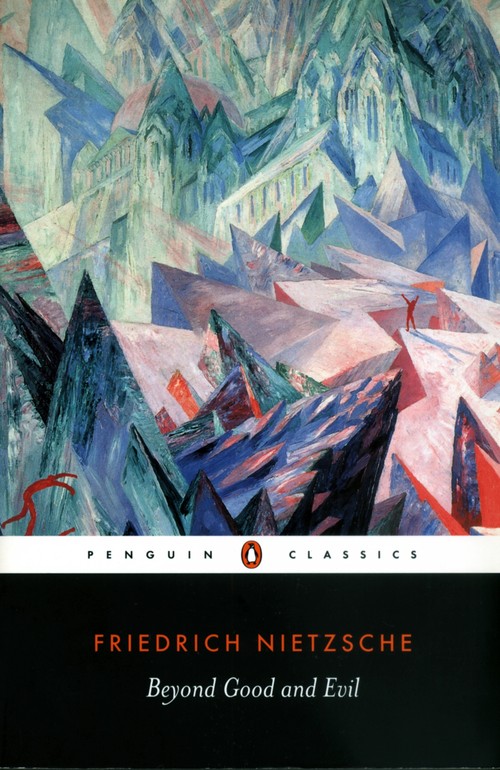 Beyond Good and Evil
-
 Meditations
-
 Thus Spoke Zarathustra
-
 The Little Book of Philosophy
-
 Against the Gods
-
 A Little History of Philosophy
-
 Meditations
-
 Confessions Of A Philosopher
-
 The West
-
 The Cat and The Moon - 33 Zen Stories
-
 Be Water, My Friend
-
 The Boy, the Mole, the Fox and the Horse: The Animated Story
-
 The Conference of the Birds
-
 Against the Machine
-
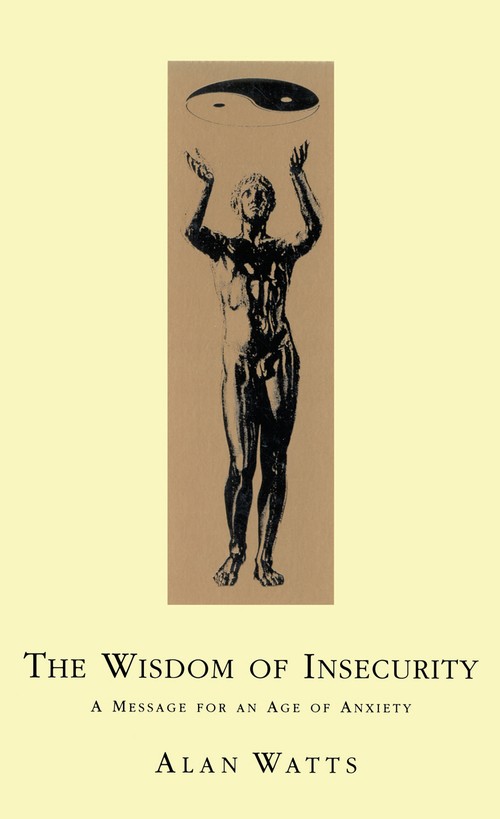 Wisdom Of Insecurity
-
 Great Thinkers
-
 Discourses and Selected Writings
-
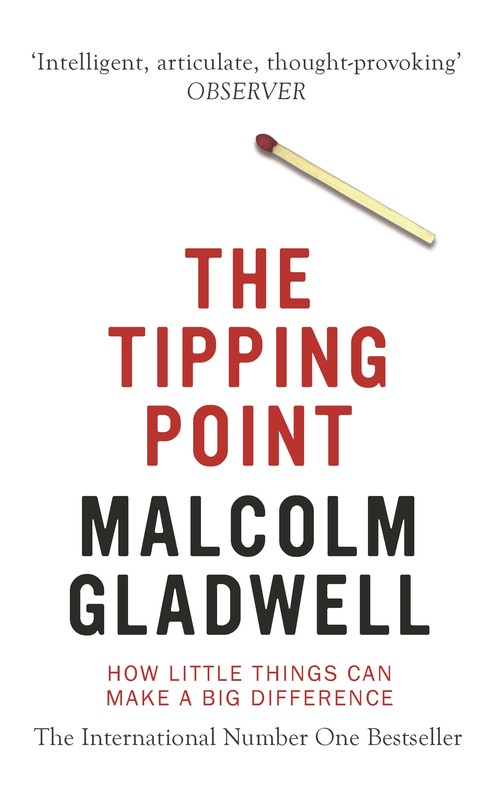 The Tipping Point
-
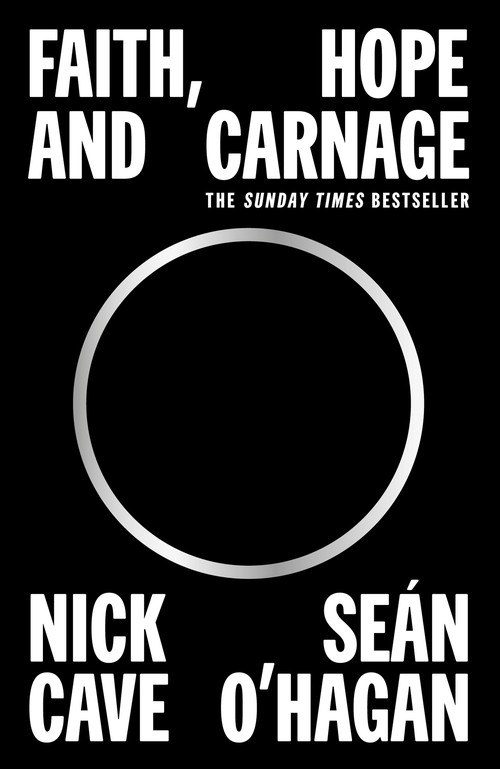 Faith, Hope and Carnage
-
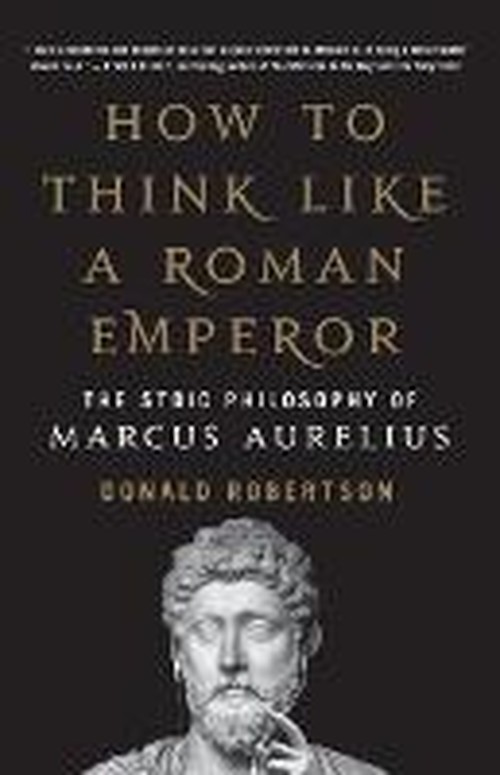 How to Think Like a Roman Emperor
-
 Do Not Go Gentle
-
 Either/Or
-
 Algorithms to Live By
-
 The Symposium
-
 Simulacra and Simulation
-
 I am That
-
 God, the Science, the Evidence
-
 How to Stay Sane
-
 The Power of Caring
-
 Existentialism and Humanism
-
 Conscience
-
 Critique of Pure Reason
-
 The Consolations of Philosophy
-
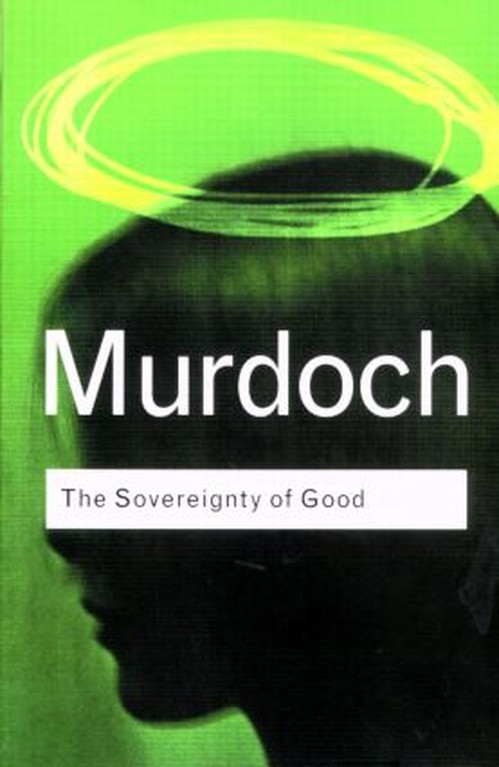 The Sovereignty of Good
-
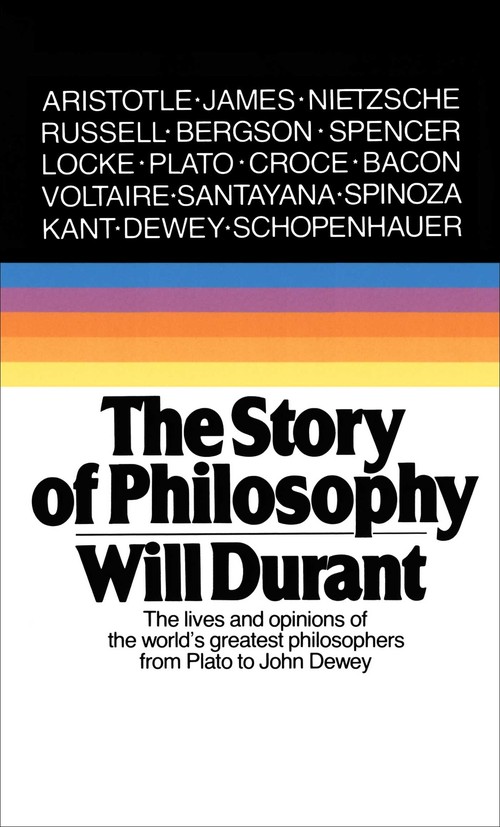 The Story of Philosophy
-
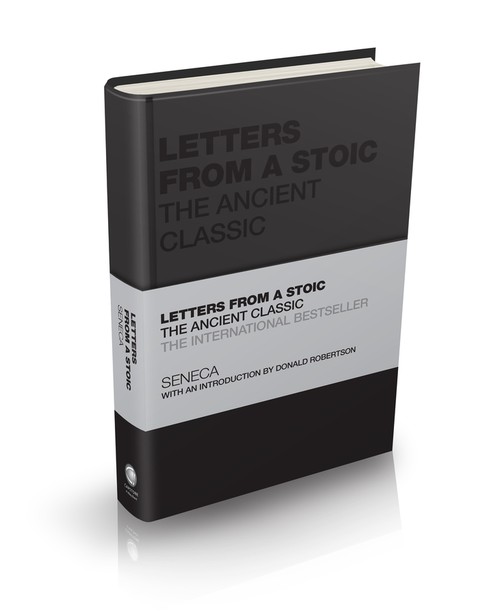 Letters from a Stoic
-
 The Tao of Pooh & The Te of Piglet
-
 Together
-
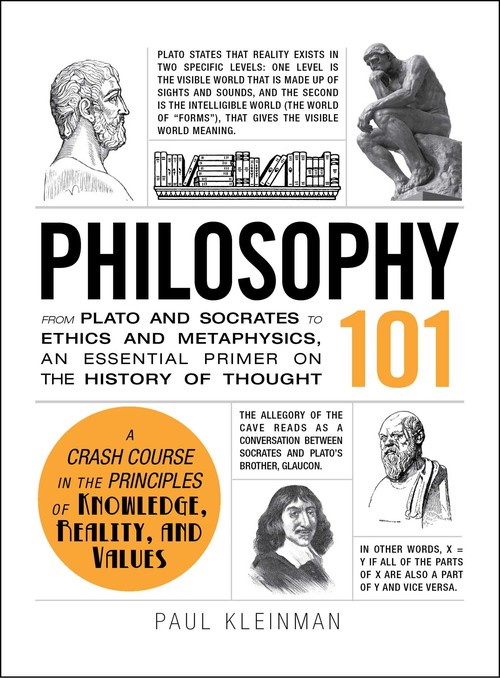 Philosophy 101
-
 The Philosophy Book
-
 The Happiness of Dogs