


An Essay Concerning Human Understanding by John Locke
Notes and Introduction by Mark G. Spencer, Brock University, Ontario
John Locke (1632-1704) was perhaps the most influential English writer of his time. His Essay concerning Human Understanding (1690) and Two Treatises of Government (1690) weighed heavily on the history of ideas in the eighteenth century, and Locke’s works are often ? rightly ? presented as foundations of the Age of Enlightenment. Both the Essay and the Second Treatise (by far the more influential of the Two Treatises) were widely read by Locke’s contemporaries and near contemporaries. His eighteenth-century readers included philosophers, historians and political theorists, but also community and political leaders, engaged laypersons, and others eager to participate in the expanding print culture of the era. His epistemological message that the mind at birth was a blank slate, waiting to be filled, complemented his political message that human beings were free and equal and had the right to create and direct the governments under which they lived. Today, Locke continues to be an accessible author. He provides food for thought to university professors and their students, but has no less to offer the general reader who is eager to enjoy the classics of world literature.
John Locke was the son of a land steward and was educated at Westminster School and Oxford. He was born in Wrington, near Bristol, and was the son of a land steward. Locke became a lecturer in Greek in 1660, Rhetoric in 1662, and Secretary to an Embassy in Brandenburg in 1664. He studied Descartes and Bacon as a student. Then, drawn to experimental research, he studied medicine and practiced for a short time in Oxford. In 1667, he authored his Essay on Toleration, which was inspired by his thoughts on morals and government. If not a particularly clever or unique philosopher, Locke was a calm, intelligent, and reasonable writer, and his publications had a significant impact on both English and French philosophy in the following century.
| SKU | Unavailable |
| ISBN 13 | 9781840227321 |
| ISBN 10 | 184022732X |
| Title | An Essay Concerning Human Understanding |
| Author | John Locke |
| Series | Classics Of World Literature |
| Condition | Unavailable |
| Binding Type | Paperback |
| Publisher | Wordsworth Editions Ltd |
| Year published | 2014-06-15 |
| Number of pages | 880 |
| Cover note | Book picture is for illustrative purposes only, actual binding, cover or edition may vary. |
| Note | Unavailable |
Customers who bought this item also bought
-
 Unsanctifying Human Life
-
 Rethinking Life and Death
-
 The Essential Philosophical Works
-
 Causing Death and Saving Lives
-
 Human, All Too Human
-
 Practical Ethics
-
 Beyond Good and Evil
-
 Basic Writings of Nietzsche
-
 Being and Time
-
 The Gay Science
-
 The Birth of Tragedy
-
 Beyond Good and Evil
-
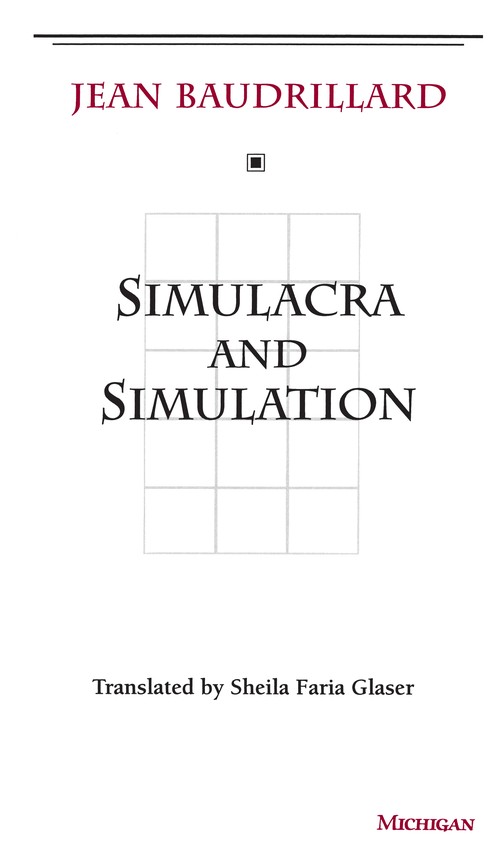 Simulacra and Simulation
-
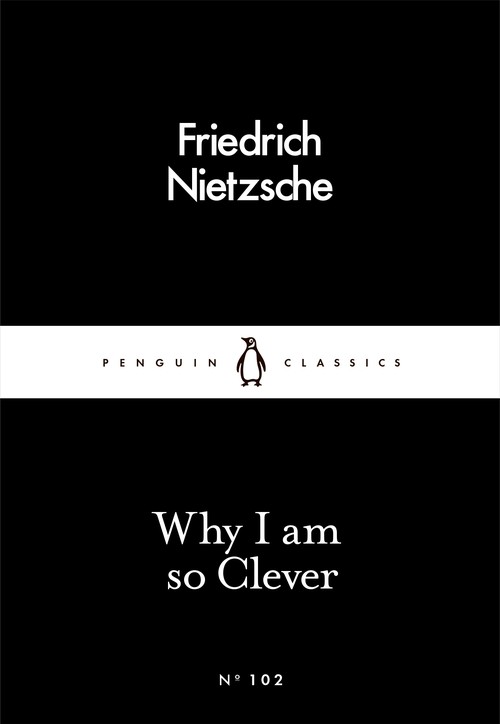 Why I Am so Clever
-
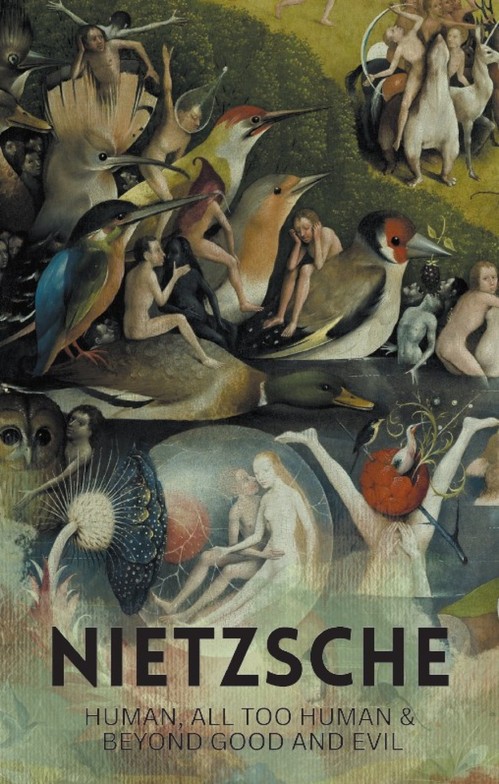 Human, All Too Human & Beyond Good and Evil
-
 The Courage To Be Disliked
-
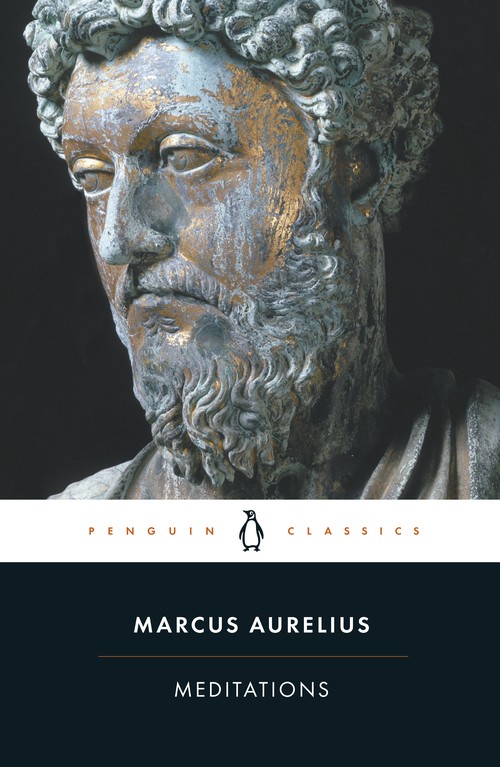 Meditations
-
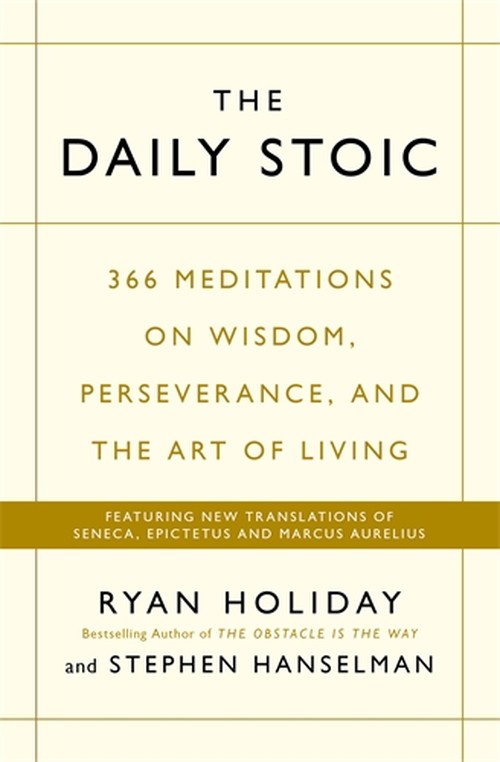 The Daily Stoic
-
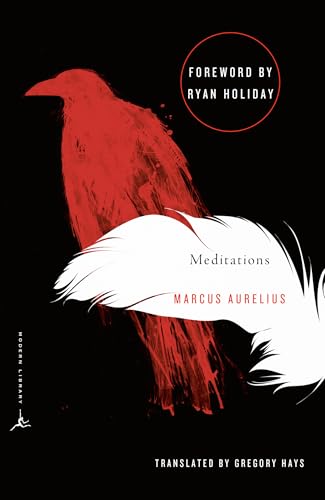 Meditations
-
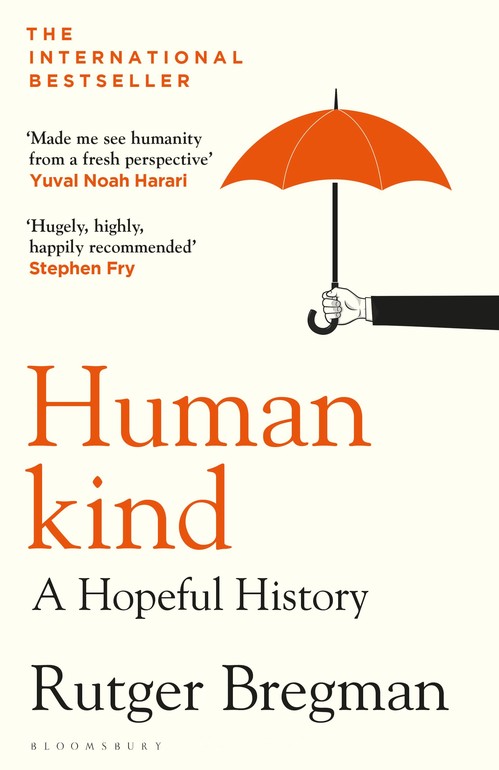 Humankind
-
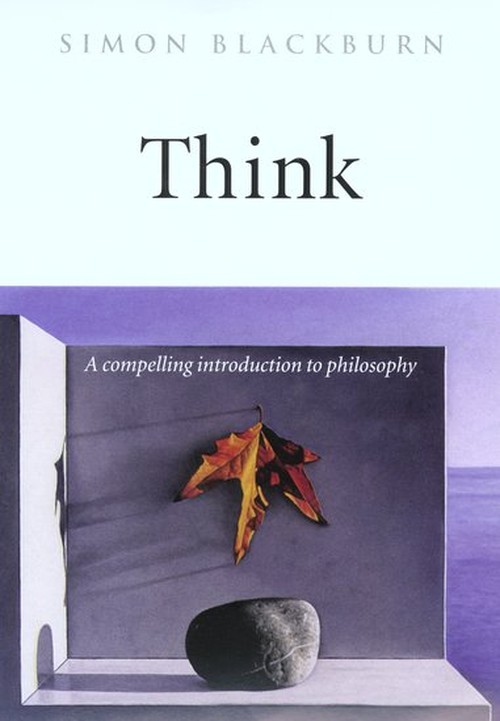 Think
Think
-
 Zen and the Art of Motorcycle Maintenance
-
 The Doors of Perception
-
 The Republic
-
 Beyond Good and Evil
-
 Meditations
-
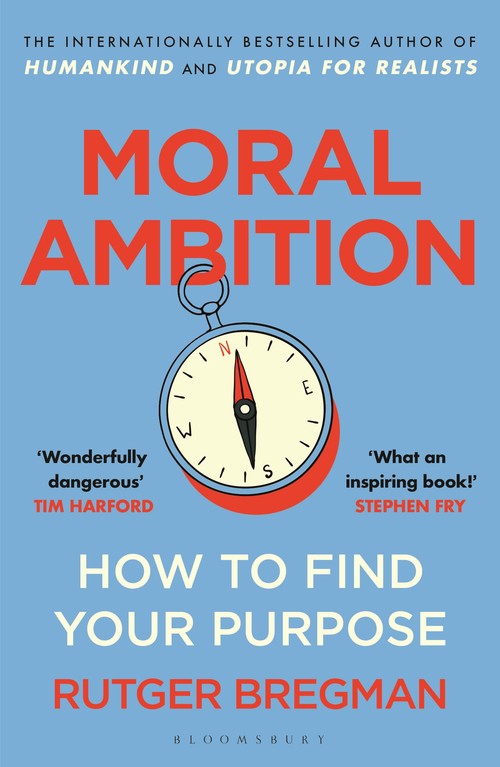 Moral Ambition
-
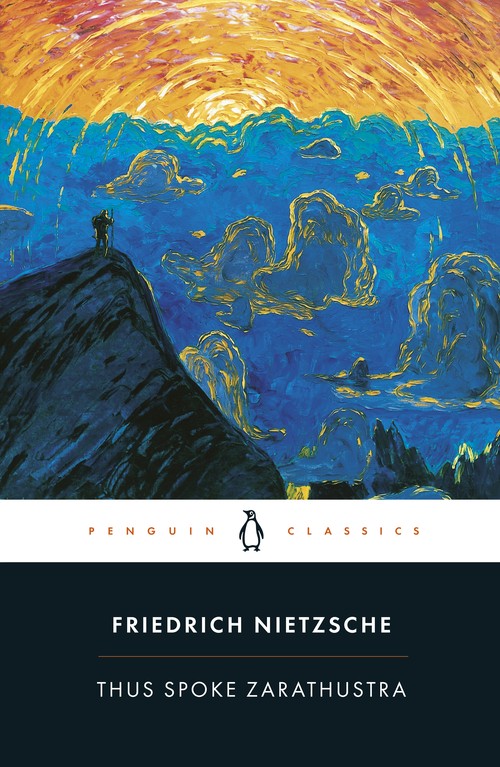 Thus Spoke Zarathustra
-
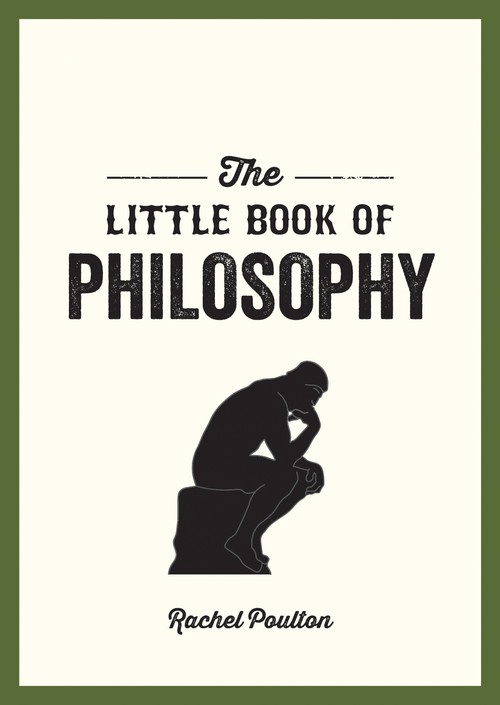 The Little Book of Philosophy
-
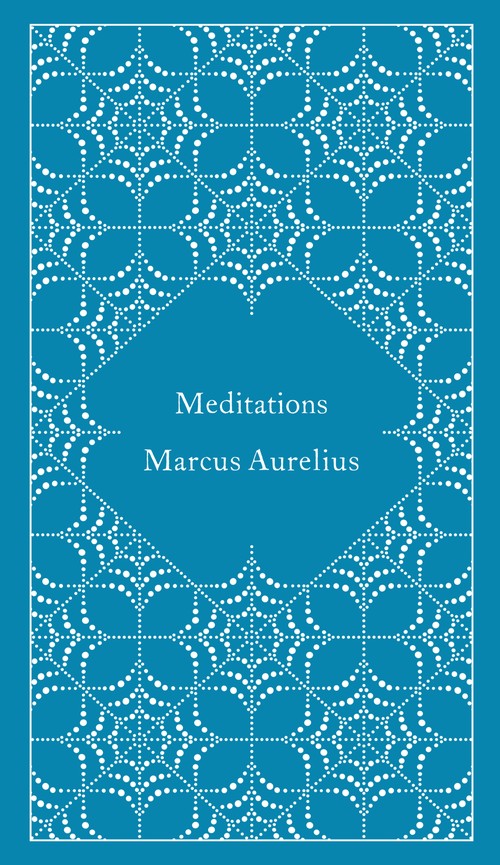 Meditations
-
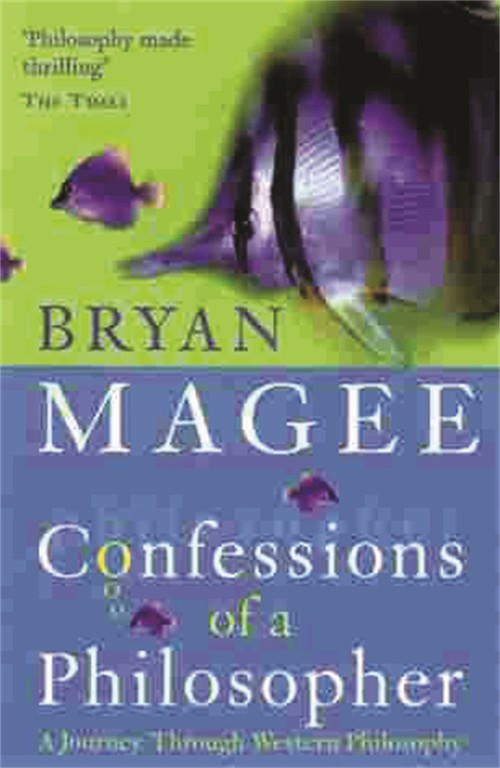 Confessions Of A Philosopher
-
 Conscience
-
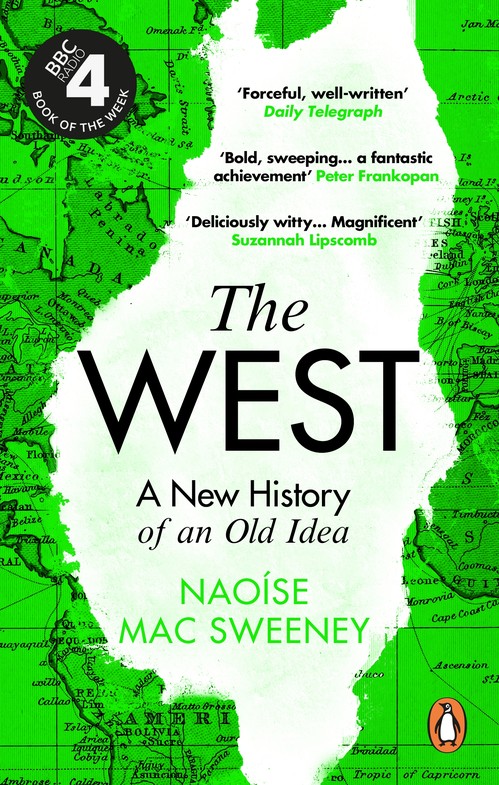 The West
-
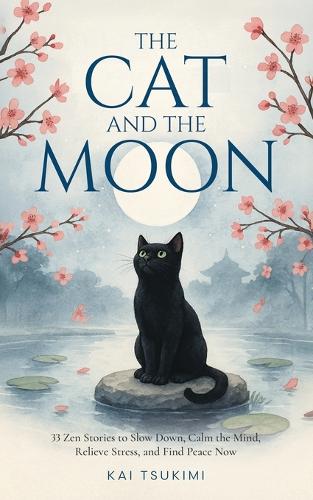 The Cat and The Moon - 33 Zen Stories
-
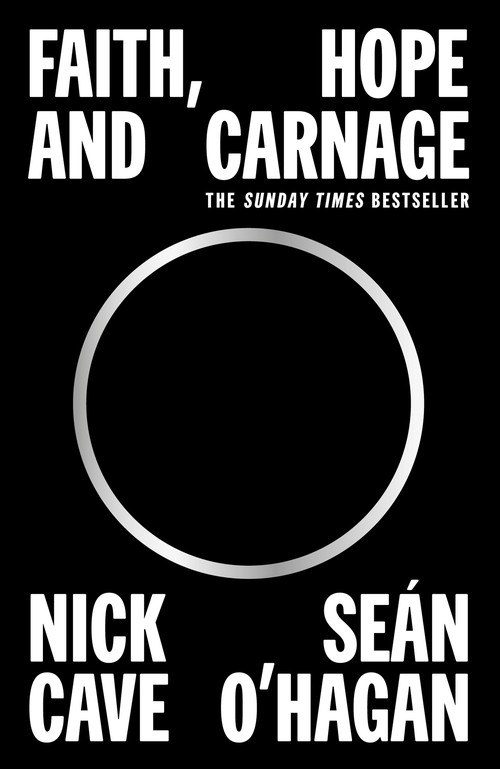 Faith, Hope and Carnage
-
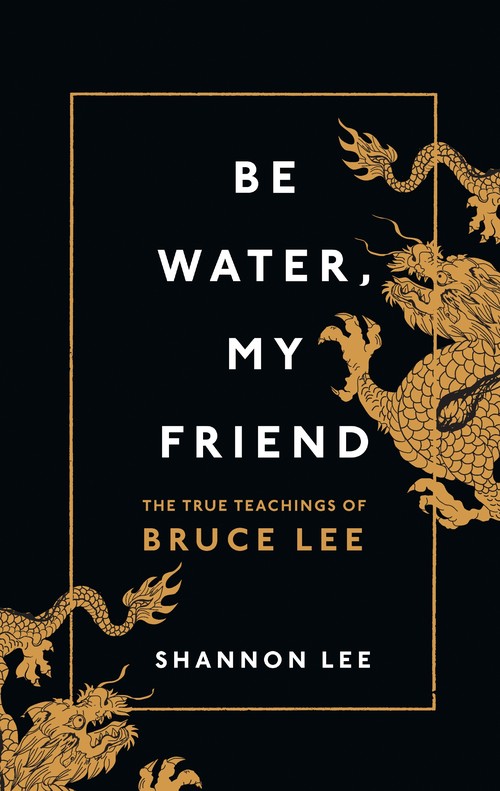 Be Water, My Friend
-
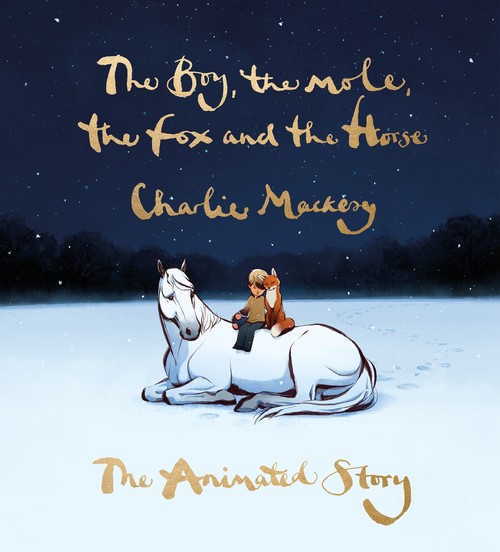 The Boy, the Mole, the Fox and the Horse: The Animated Story
-
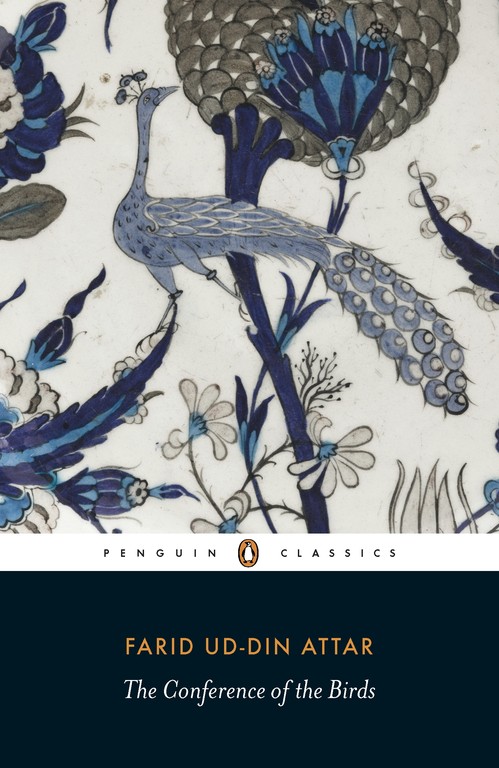 The Conference of the Birds
-
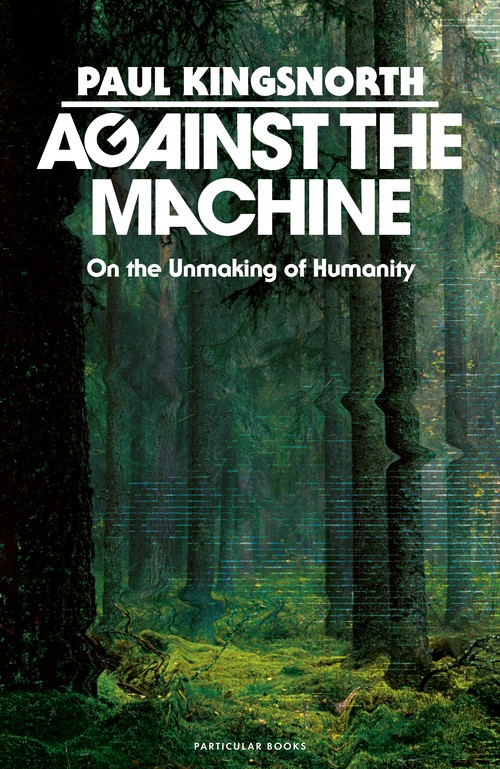 Against the Machine
-
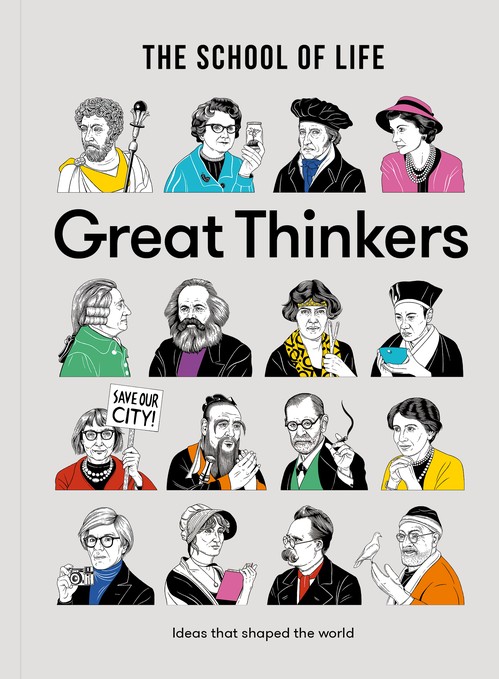 Great Thinkers
-
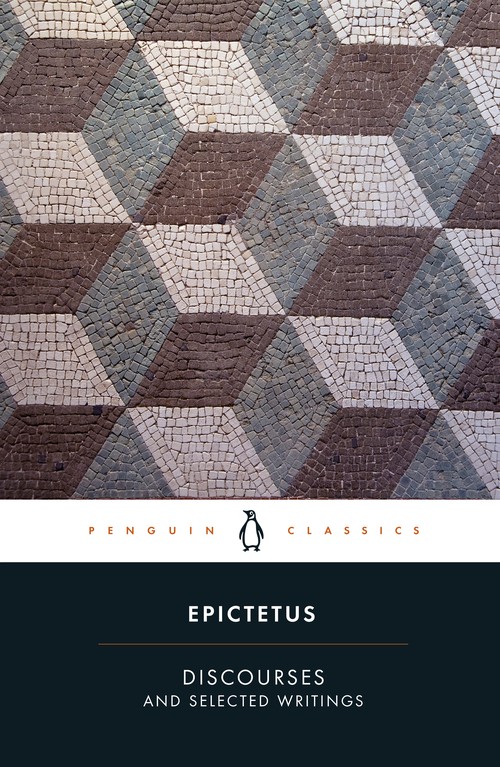 Discourses and Selected Writings
-
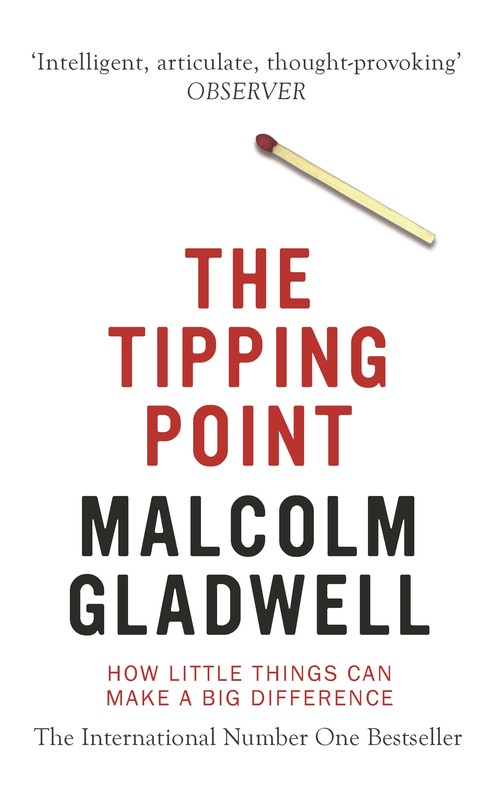 The Tipping Point
-
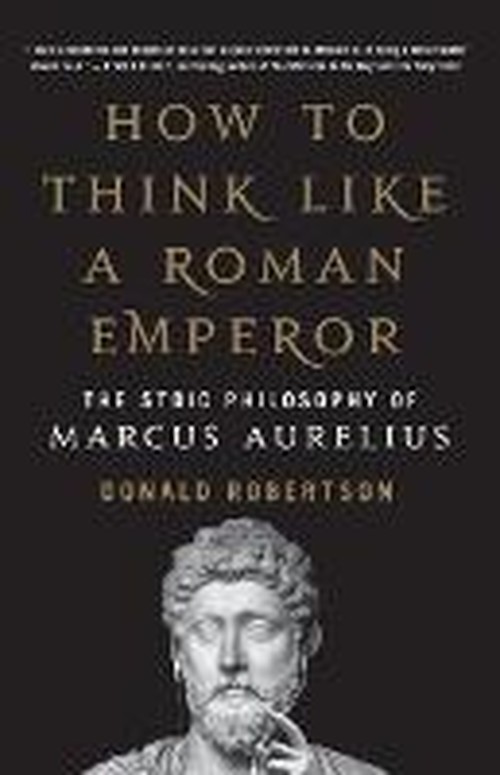 How to Think Like a Roman Emperor
-
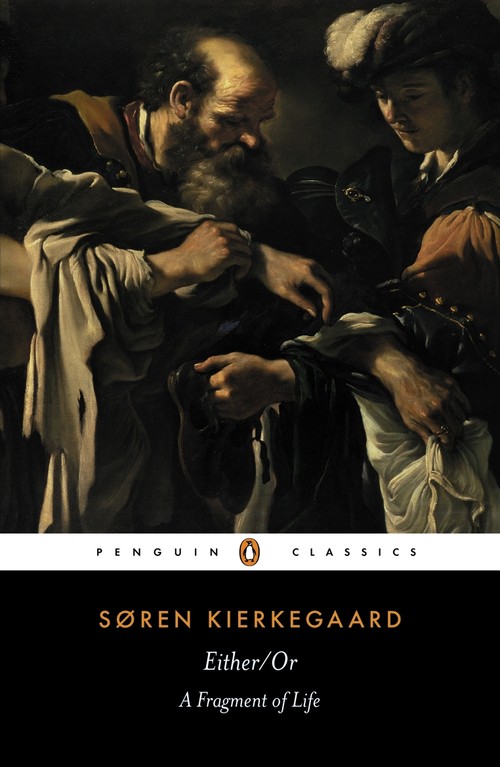 Either/Or
-
 On the Shortness of Life
-
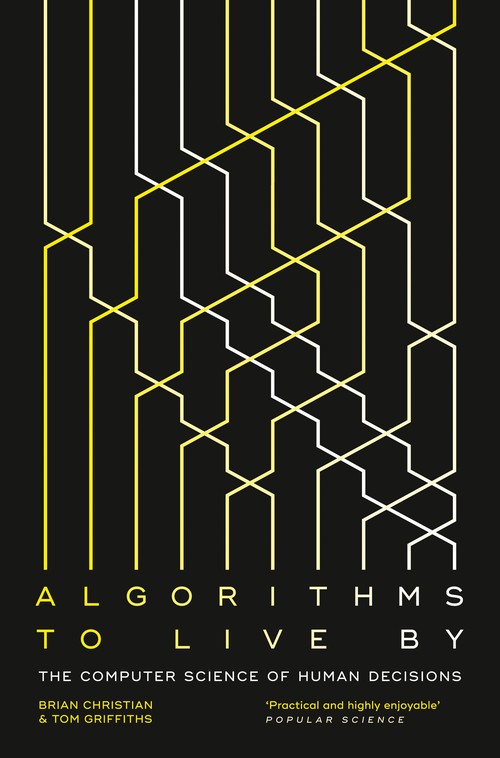 Algorithms to Live By
-
 The Symposium
-
 I am That
-
 God, the Science, the Evidence
-
 How to Stay Sane