


Folk City by Stephen Petrus
From Washington Square Park and Cafe Society to WNYC Radio and Folkways Records, New York City's cultural, artistic, and commercial assets helped to shape a distinctively urban breeding ground for the famous folk music revival of the 1950s and '60s. Folk City, by Stephen Petrus and Ronald Cohen, explores New York's central role in fueling the nationwide craze for folk music in postwar America.
[The book] has much to offer music researchers and will serve as a key source in helping its readers understand the spaces, ideologies, and connections of the influential midcentury New York folk sceneThus, whether for general readers, historians, musicologists, or anyone else engaging substantially with the history of American folk revivalism, this book is a welcome addition. * Brian Jones, Society for American Music Bulletin *
Folk City is an excellent book, important not only as a history of folk music but as a significant contribution to urban history as well. * Michael Marino, Popular Music and Society *
One of the strongest aspects of Folk City is that Stephen Petrus and Ronald D. Cohen are not unduly fixated on Dylan as the most famous of the Greenwich Village singers, restricting him to a finely inflected closing chapter. Instead the trace the emergence of the folk revival from informal sing-alongs in Washington Square Park, through the rise of socially aware groups and labels such as the Almanac Singers and Folkways, to the emergence of a distinct club scene at Gaslight, Café Wha?...It comes close to being a complete social history of a vital, but ultimately tragic moment. * Brian Morton, The Times Literary Supplement *
magnificent ... a rich tapestry. * Liz Thomson, fRoots *
Folk City is an excellent book, important not only as a history of folk music but as a significant contribution to urban history as well. * Michael Marino, Popular Music and Society *
One of the strongest aspects of Folk City is that Stephen Petrus and Ronald D. Cohen are not unduly fixated on Dylan as the most famous of the Greenwich Village singers, restricting him to a finely inflected closing chapter. Instead the trace the emergence of the folk revival from informal sing-alongs in Washington Square Park, through the rise of socially aware groups and labels such as the Almanac Singers and Folkways, to the emergence of a distinct club scene at Gaslight, Café Wha?...It comes close to being a complete social history of a vital, but ultimately tragic moment. * Brian Morton, The Times Literary Supplement *
magnificent ... a rich tapestry. * Liz Thomson, fRoots *
Stephen Petrus is an Andrew W. Mellon postdoctoral curatorial fellow at the Museum of the City of New York, where he is the lead curator of Folk City: New York and the American Folk Music Revival. He has published essays on twentieth-century American politics and culture and is working on a book on Greenwich Village in the 1950s and 1960s.
Ronald D. Cohen is Emeritus Professor of History at Indiana University Northwest in Gary, Indiana. He is the author of numerous books on the history of folk music, including Rainbow Quest: The Folk Music Revival and American Society, 1940-1970 (2002), Alan Lomax: Selected Writings, 1934-1997 (2003), Folk Music: The Basics (2006), Work and Sing: A History of Occupational and Labor Union Songs in the United States (2010), Alan Lomax, Assistant in Charge: The Library of Congress Letters, 1935-1945 (2011).
| SKU | Unavailable |
| ISBN 13 | 9780190231026 |
| ISBN 10 | 0190231025 |
| Title | Folk City |
| Author | Stephen Petrus |
| Condition | Unavailable |
| Binding Type | Hardback |
| Publisher | Oxford University Press Inc |
| Year published | 2015-08-20 |
| Number of pages | 320 |
| Cover note | Book picture is for illustrative purposes only, actual binding, cover or edition may vary. |
| Note | Unavailable |
Customers who bought this item also bought
-
 The Wager
-
 Fubar F***ed Up Beyond All Recognition
-
 The Spy and the Traitor
-
 This Way Up
-
 Unruly
-
 SPQR
SPQR
-
 Nexus
Nexus
-
 The Making of the Middle Ages
-
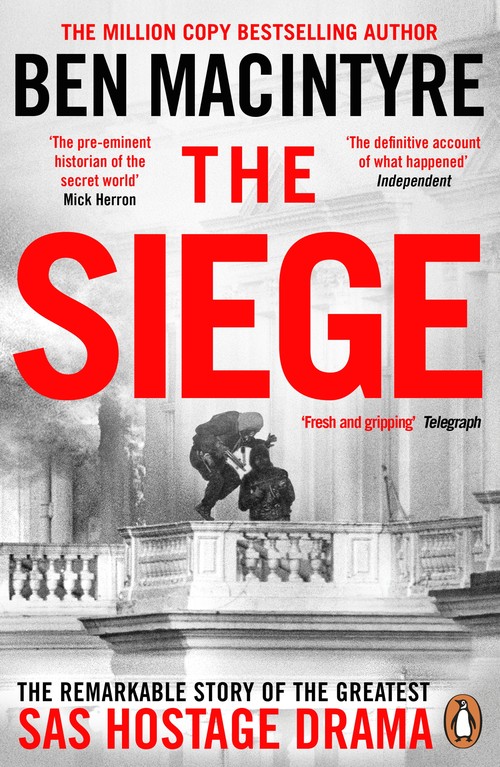 The Siege
-
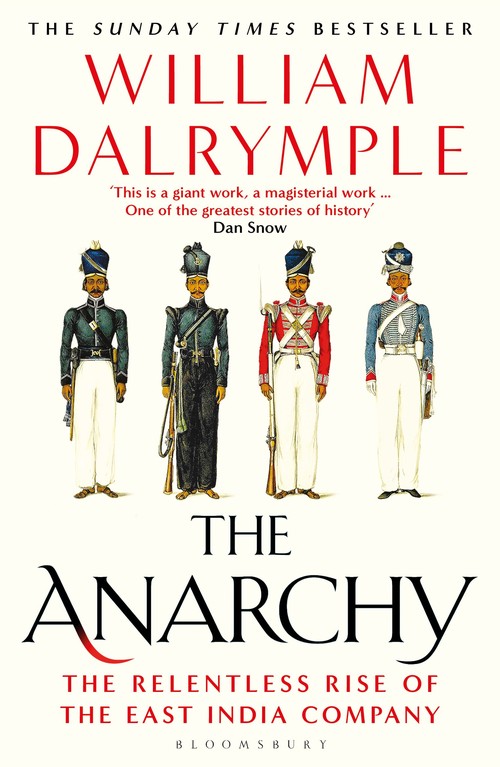 The Anarchy
-
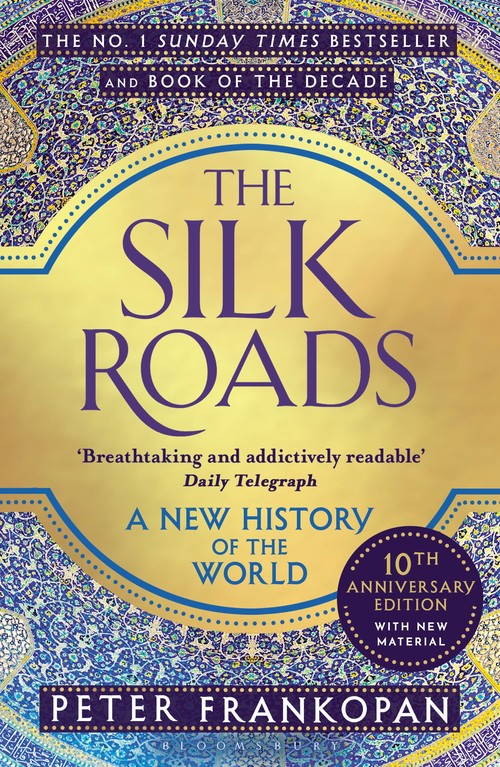 The Silk Roads
-
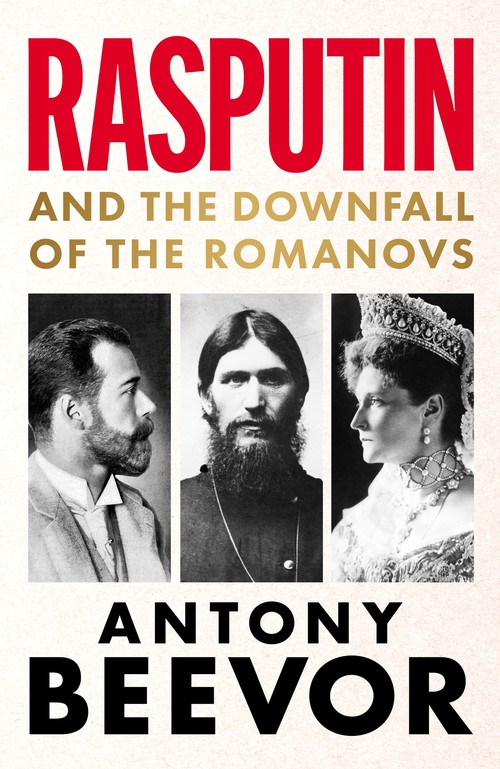 Rasputin
-
 On Democracies and Death Cults
-
 Weimar
-
 Make It Do
-
 Goose Green
-
 The Spitfire Manual 1940
-
 If Russia Wins
-
 The Rest is History
-
 Guns, Germs and Steel
-
 Victory '45
-
 This Way Up
-
 Montgomery: Unbeatable, Unbearable
-
 Normal Women
-
 Making Sense of the Troubles
-
 Rubicon
-
 SAS: Sea King Down
-
 The Rise and Fall of Ancient Egypt
-
 Midnight in Chernobyl
-
 The Master and His Emissary
-
 A History of Britain in Ten Enemies
-
 The People's Emperor
-
 A Hateful Decision
-
 The Daughter of Auschwitz
-
 Dominion
-
 The Lessons of History
-
 Pandora's Jar
-
 Blitz
Blitz
-
 Fall of Civilizations
-
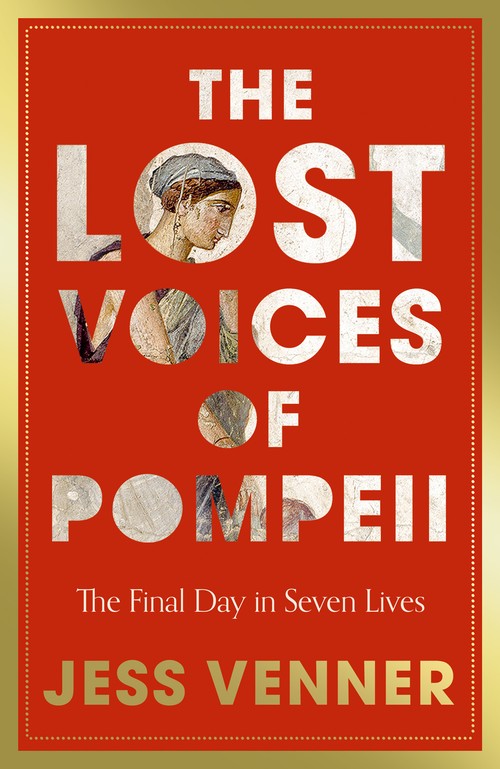 The Lost Voices of Pompeii
-
 The Next World War: The new age of global conflict and the fight to stop it
-
 The Forgotten Highlander
-
 The Hundred Years' War on Palestine
-
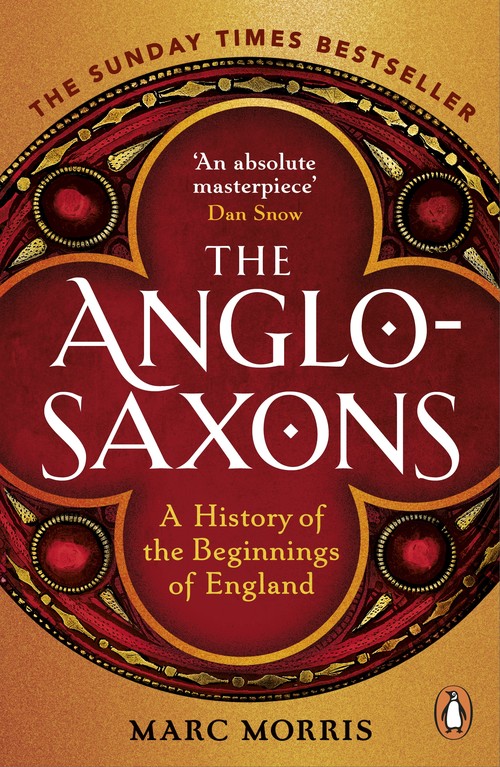 The Anglo-Saxons
-
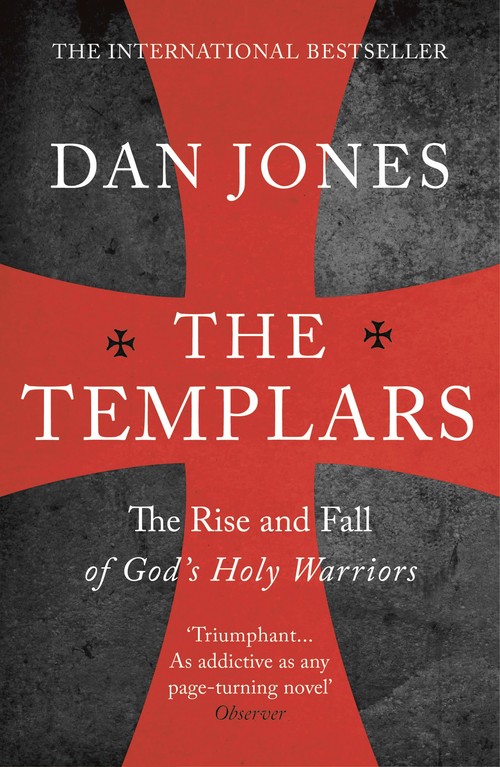 The Templars
-
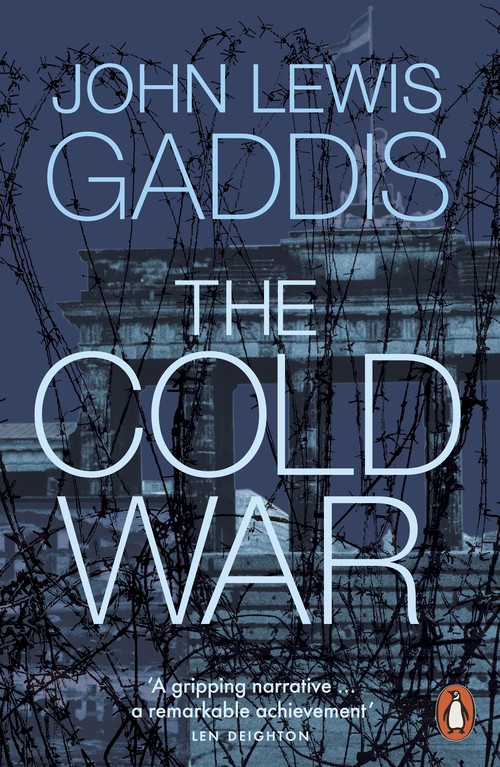 The Cold War
-
 Hero of Two Worlds
-
 Elizabeth
-
 Divine Might
-
 The Lost City of Z