From Ideology to Nostalgia by Mikls Tth
From Ideology to Nostalgia aims to draw attention to the political theoretical relevance of works written by Hungarian authors. By analyzing the novels of Arthur Koestler and S aacute;ndor M rai, Mikl oacute;s B lint T th seeks to understand the complex nature of political phenomena related to the concept of political order.-
 Defenses Against the Dark Arts
- Shakespeare and Politics in Film Adaptations
-
 Philosophical Perspective on Cinema
-
 Flannery OConnor and the Perils of Governing by Tenderness
-
 Dark Places
-
 Between Science and Society
-
 Baudelaire Contra Benjamin
-
 Politics, Literature, and Film in Conversation
-
 Filming the First
-
 Film and Faith
-
 The Architecture of Survival
-
 Age of Anxiety
-
 American Epic
-
 The Final Frontier
-
 Promoting Postcolonial Australia
-
 Lincoln's Shakespearean Education
-
 The Politics of Violence Against Women in Climate Fiction
-
 Popular Culture and the Political Values of Neoliberalism
-
 The Unknown Satanic Verses Controversy on Race and Religion
-
 The American Road Trip and American Political Thought
-
 Why Moralize upon It?
-
 Popular Culture and Foreign Policy
-
 The United States Constitution in Film
-
 Human Nature and Politics in Utopian and Anti-Utopian Fiction
-
 Rabelais's Contempt for Fortune
-
 Updike and Politics
-
 Liberty, Individuality, and Democracy in Jorge Luis Borges
-
 The Coen Brothers and the Comedy of Democracy
-
 Nikolai Chernyshevskii and Ayn Rand
-
 Philip Roth and the American Liberal Tradition
-
 AIDS-Trauma and Politics
-
 Wicked Leadership in Film
-
 Aldous Huxley
-
 A Prophet of Modern Delusions
-
 Shakespeare between Machiavelli and Hobbes
-
 The Limits of Politics
-
 Walker Percy and the Politics of the Wayfarer
-
 Mad Men
-
 Milton's Socratic Rationalism
-
 Beyond Free Speech and Propaganda
-
 Out of a Gray Fog
-
 Game of Thrones and the Theories of International Relations


Literature does more than entertainIf done well, it has a unique ability to address the complexity of human thought in ways that foster mutually beneficial linkages among competing political perspectives and mentalities. Exploring case studies of three contemporary 'imaginative texts' from Hungary - Arthur Koestler's Darkness at Noon, Sándor Márai’s Judgement in Canudos (Ítélet Canudosban) and Szindbád Goes Home (Szindbád Hazamegy) – this book demonstrates the power of combining modern scientific method with literary studies using the methodological approach of New Criticism. It further illuminates the linkages between ideology and ideological mentality; the juxtaposition of the mutually exclusive desires for order and beneficial change within every society; the emotional attraction of nostalgic remembering in communities; and the need for more flexible and inclusive uses of language within political dialogue. Equally important: it challenges western audiences to read more non-English (politically informative) literature, all while exploring the power of combining quantitative data with qualitative political analysis. Arguing that there can be no rigid separation of the real and the imaginary within politically active communities, it thus highlights the ability of literature to serve as a restorative, intellectual compass, which hosts the power to bring unexpected consistency to the irrationality of political dialogue and/or foster mutual understanding between estranged groups.
-- Carol Strong, University of Arkansas| SKU | Unavailable |
| ISBN 13 | 9781666966350 |
| ISBN 10 | 1666966355 |
| Title | From Ideology to Nostalgia |
| Author | Mikls Tth |
| Series | Politics Literature And Film Ser |
| Condition | Unavailable |
| Binding Type | Hardback |
| Publisher | Lexington Books |
| Year published | 2025-02-05 |
| Number of pages | 166 |
| Cover note | Book picture is for illustrative purposes only, actual binding, cover or edition may vary. |
| Note | Unavailable |
Customers who bought this item also bought


Miriam's Full English
The Nord Stream Conspiracy
Is a River Alive?
How I've Tried to Change the World
Braver New World
What Happened to Liberal Democracy?
What If Reform Wins
The Fraud
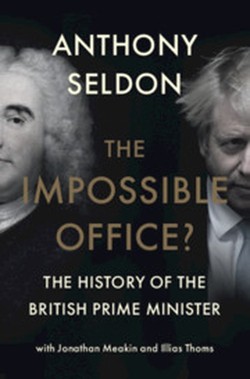
The Impossible Office?
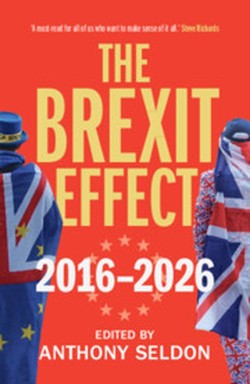
The Brexit Effect, 2016-2026


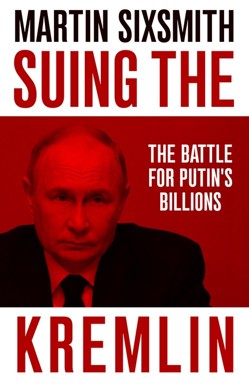
Suing the Kremlin
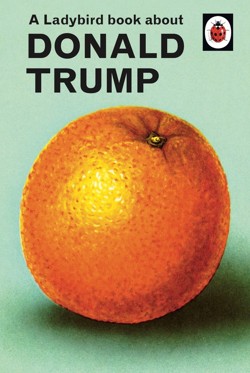
A Ladybird Book About Donald Trump
Long Walk To Freedom
Three Weeks in July

War
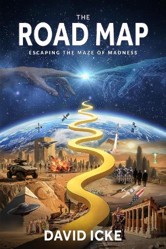
The Road Map
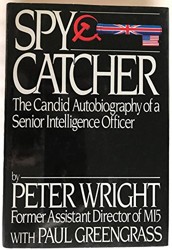
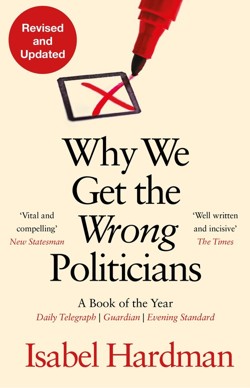
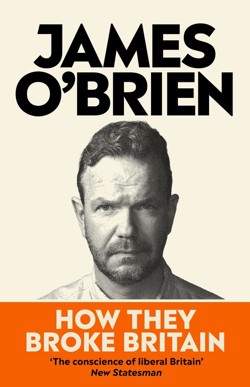

The Biggest Secret
Failed State


Complicit
Meet Your Strawman

My Revision Notes: AQA A-level Politics: UK Politics Second Edition
For and against a united Ireland
On Liberty

The Illegals
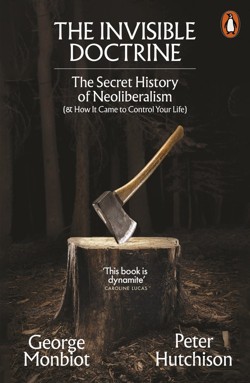
The Invisible Doctrine

John Major
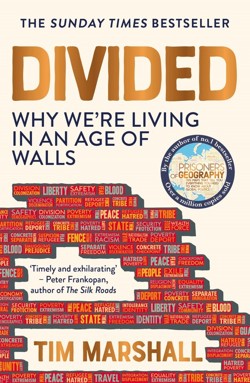
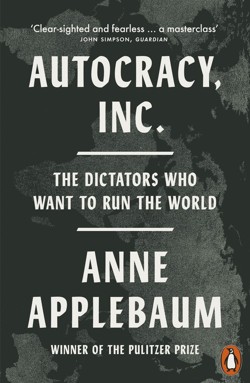
Autocracy, Inc
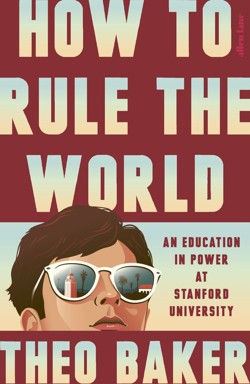
How to Rule the World
Capital
Big Boys' Rules
British Politics
Long Walk To Freedom

Polar War
Despised