


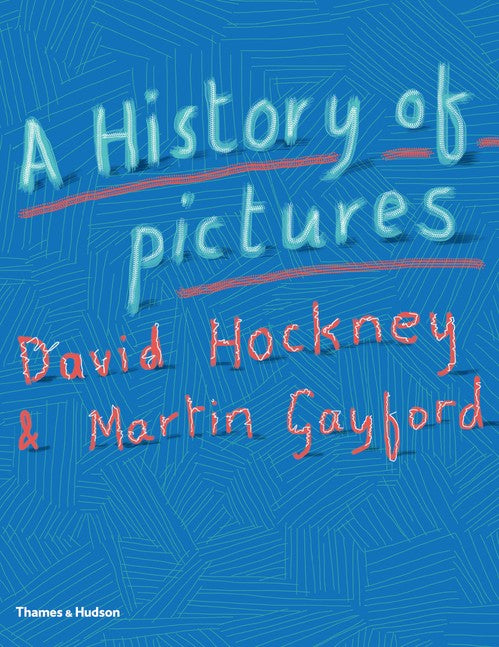
A History of Pictures by David Hockney
'What makes some pictures a masterpiece? Who better to explain than our greatest living artist, as he teams up with art critic Martin Gayford to open your eyes to the works of genius he holds dear' --Mail on Sunday 'His sharp and often delightfully slanted take on pictures, explained in clear terms, crisps up perceptions and help readers to look anew.'--Rachel Campbell-Johnston, The Times 'Wonderful ... Apart from the sumptuous avalanche of reproductions, the book consists of paragraphs in which the two proprietors speak alternately. It's a measure of Hockney's vividness of perception that he can always put a cap on Gayford s knowledge ... fabulous'--Clive James, Guardian 'Will keep any intelligent person amused and intrigued ... [Hockney] asks big questions about the nature of picture-making and the relationship between painters and photography in a way that no other contemporary artist seems to do ... enormously good-humoured and entertaining ... On almost every page, there is an interesting provocation'--Andrew Marr, New Statesman 'I won't read a more interesting book all year ... utterly fascinating' --AN Wilson, The Sunday Times ‘An eloquent conversational testimony to the vividness of life lived through intelligent looking. You will see Caravaggio and Citizen Kane with fresh eyes’ Daily Telegraph The making of pictures has a history going back perhaps 100,000 years to an African shell used as a paint palette. Two-thirds of it is irrevocably lost, since the earliest images known to us are from about 40,000 years ago. But what a 40,000 years, explored here by David Hockney and Martin Gayford in a brilliantly original book. They privilege no medium, or period, or style, but instead, in 16 chapters, discuss how and why pictures have been made, and insistently link ‘art’ to human skills and human needs. Each chapter addresses an important question: What happens when we try to express reality in two dimensions? Why is the ‘Mona Lisa’ beautiful and why are shadows so rarely found in Chinese, Japanese and Persian painting? Why are optical projections always going to be more beautiful than HD television can ever be? How have the makers of images depicted movement? What makes marks on a flat surface interesting? Energized by two lifetimes of looking at pictures, combined with a great artist’s 70-year experience of experimentation as he makes them, this profoundly moving and enlightening volume will be the art book of the decade.
'I won’t read a more interesting book all year.. utterly fascinating' - A. N. Wilson, Sunday Times
'A magic flight of a book … It’s a measure of Hockney’s vividness of perception that he can always put a cap on Gayford’s knowledge … Fabulous!' - Clive James, Guardian
'Hockney asks big questions about the nature of picture-making and the relationship between painters and photography in a way that no other contemporary artist seems to do … Enormously good-humoured and entertaining … On almost every page, there is an interesting provocation' - Andrew Marr, New Statesman
'An eloquent conversational testimony to the vividness of life lived through intelligent looking. You will see Caravaggio and Citizen Kane with fresh eyes' - Daily Telegraph
'Crisps up perceptions and help readers to look anew' - The Times
'A magic flight of a book … It’s a measure of Hockney’s vividness of perception that he can always put a cap on Gayford’s knowledge … Fabulous!' - Clive James, Guardian
'Hockney asks big questions about the nature of picture-making and the relationship between painters and photography in a way that no other contemporary artist seems to do … Enormously good-humoured and entertaining … On almost every page, there is an interesting provocation' - Andrew Marr, New Statesman
'An eloquent conversational testimony to the vividness of life lived through intelligent looking. You will see Caravaggio and Citizen Kane with fresh eyes' - Daily Telegraph
'Crisps up perceptions and help readers to look anew' - The Times
David Hockney is considered one of the most influential British artists of the 20th century. He has produced work in almost every medium - painting, drawing, stage design, photography and printmaking - and has stretched the boundaries of all of them. Born in Bradford, England, in 1937, Hockney attended art school in London before moving to Los Angeles in the 1960s. There, he painted his famous swimming pool paintings. In a 2011 poll of more than 1,000 British artists, Hockney was voted the most influential British artist of all time. He continues to create and exhibit art. Martin Gayford is art critic for The Spectator and the author of acclaimed books on Van Gogh, Constable and Michelangelo. He is the author of many books, including Man with a Blue Scarf, Rendez-vous with Art, (with Philippe de Montebello), A Bigger Message, Modernists & Mavericks, A History of Pictures (with David Hockney), The Pursuit of Art and Spring Cannot be Cancelled, all published by Thames & Hudson.
| SKU | Unavailable |
| ISBN 13 | 9780500239490 |
| ISBN 10 | 0500239495 |
| Title | A History of Pictures |
| Author | David Hockney |
| Condition | Unavailable |
| Binding Type | Hardback |
| Publisher | Thames & Hudson Ltd |
| Year published | 2016-10-06 |
| Number of pages | 360 |
| Cover note | Book picture is for illustrative purposes only, actual binding, cover or edition may vary. |
| Note | Unavailable |
Customers who bought this item also bought
-
 Life With Picasso
-
 The Story of Art without Men
-
 Frida
Frida
-
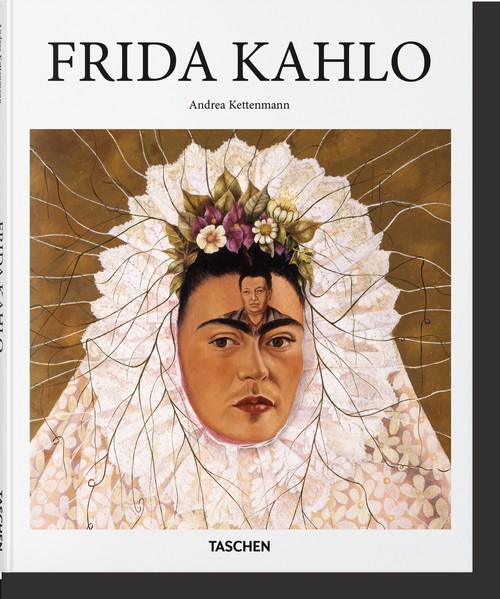 Frida Kahlo
-
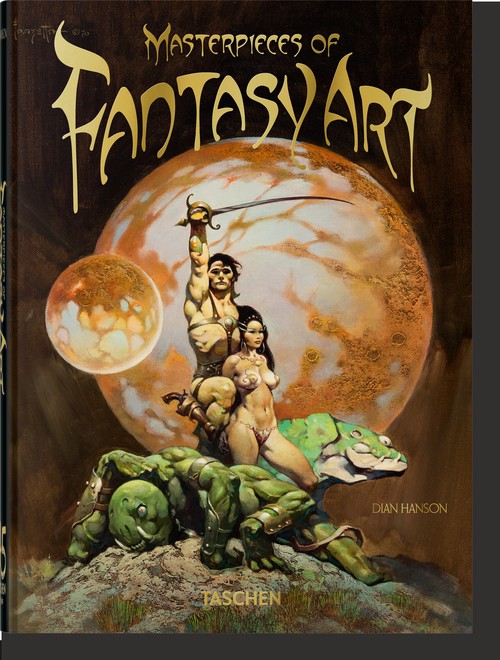 Masterpieces of Fantasy Art
-
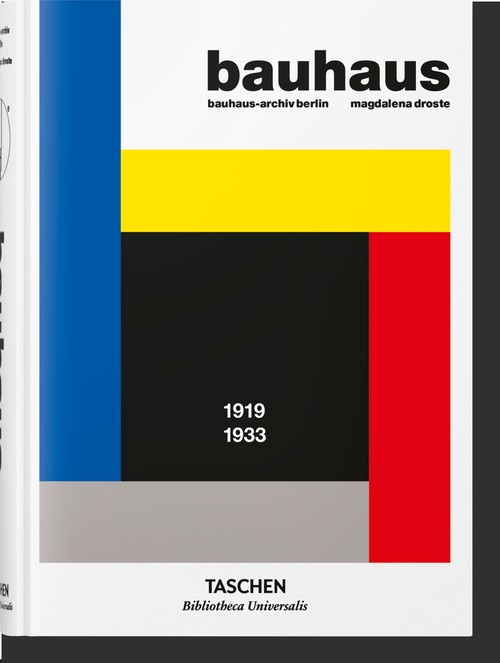 Bauhaus
-
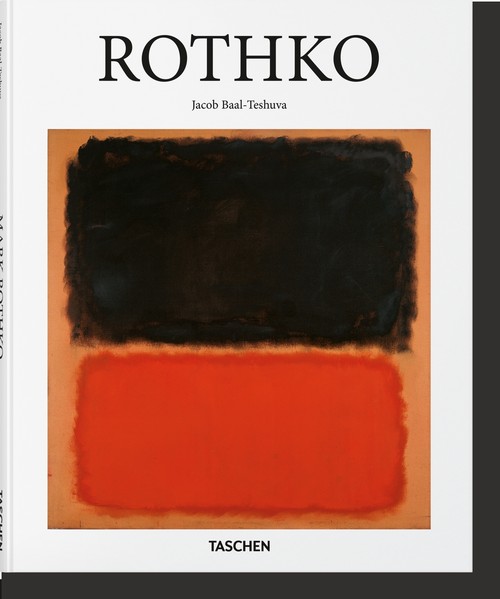 Rothko
-
 Caravaggio
-
 David Hockney
-
 Monet
Monet
-
 The World According to Colour
-
 Tokyo Ghoul Illustrations: zakki
-
 The Pocket
-
 Little Book of Christian Louboutin
-
 Caravaggio
-
 Faberge's Eggs
-
 A Year with Gilbert White
-
 Renoir
-
 Aegean Art and Architecture
-
 The Shock of the New
-
 Folklore Rising
-
 The Other Side of the Coin: The Queen, the Dresser and the Wardrobe
-
 Hiroshige
-
 The Story of Art without Men
-
 Germany
-
 The Art Book
-
 Scottish Colourists Masterpieces of Art
-
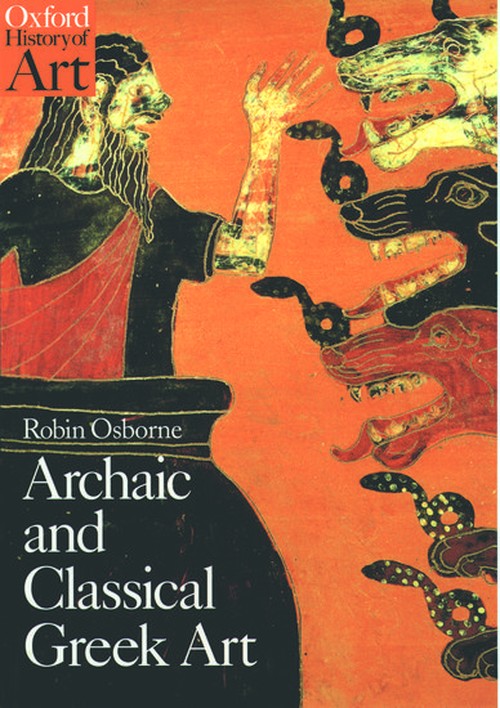 Archaic and Classical Greek Art
-
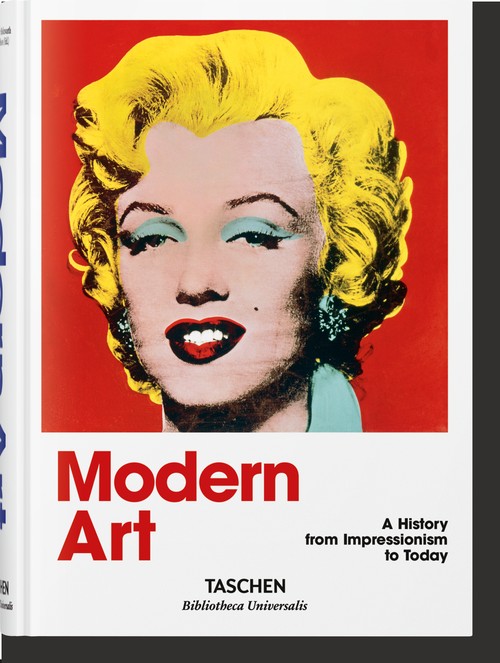 Modern Art
-
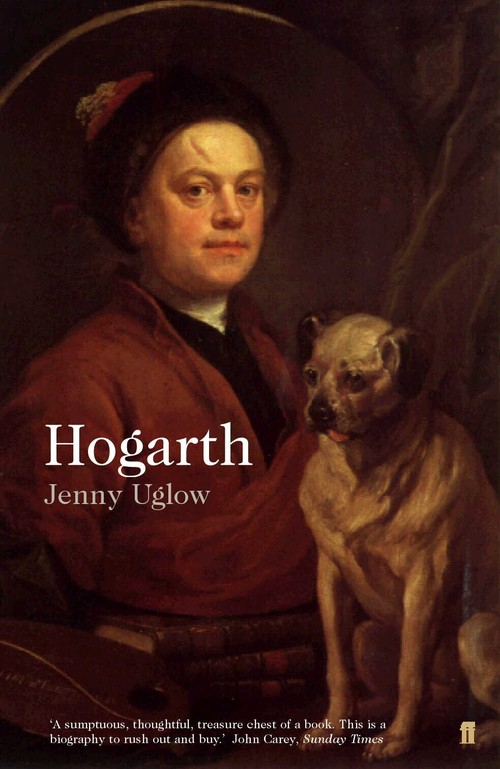 William Hogarth
-
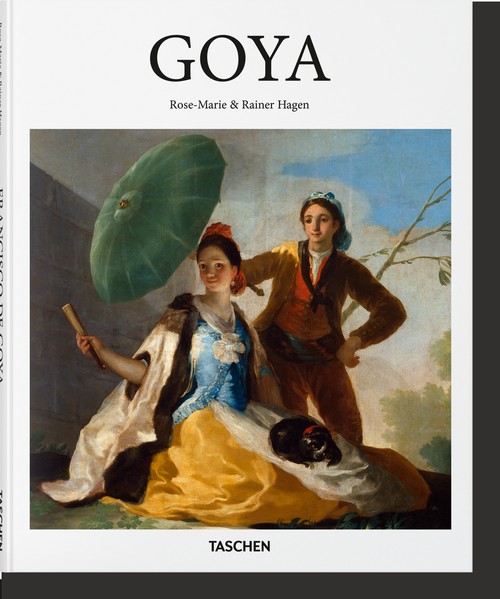 Goya
Goya
-
 The Paintings That Revolutionized Art
-
 Leonardo
-
 History of Art in Japan
-
 Unquiet Landscape
-
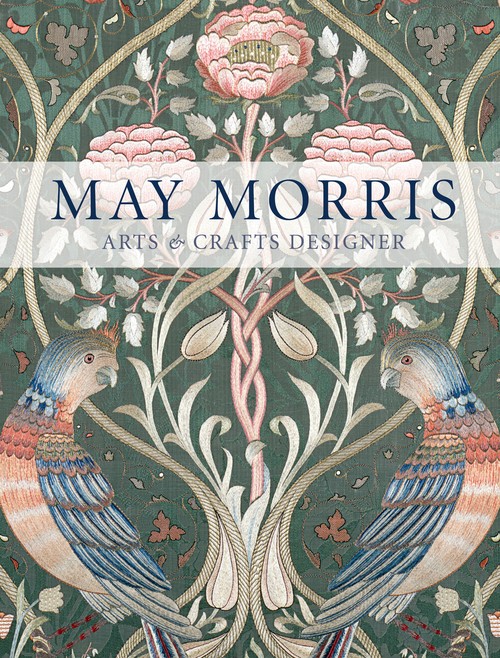 May Morris
-
 Artifacts
-
 The Healing Power of Nature
-
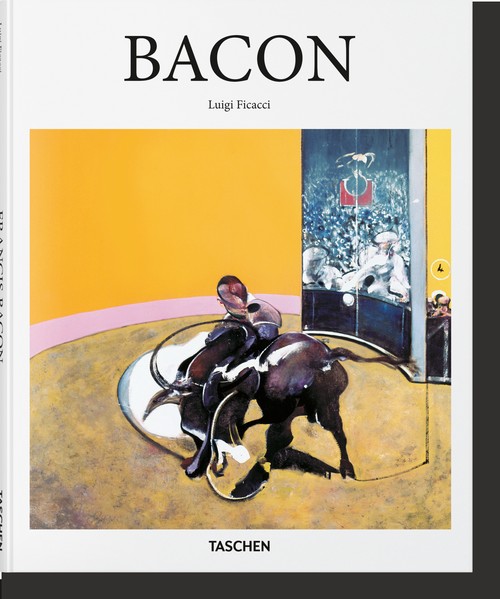 Bacon
Bacon
-
 Get the Picture
-
 Rodin
Rodin
-
 Hokusai
-
 Barbara Hepworth: A Pictorial Biography
-
 The Short Story of Art
-
 Matisse and the Joy of Drawing
-
 Modernists & Mavericks
-
 Vincent's Gardens
-
 Pre-Raphaelites
-
 Joan Eardley
-
 Romanesque Art