Jerusalem as Contested Space in Ezekiel by Natalie Mylonas
Natalie Mylonas uses Ezekiel 16 as a case study in order to reveal the critical relationship between space, emotion, and identity politics in the Hebrew Bible. Drawing on interdisciplinary research that emphasises how space and emotions are inextricably linked in human experience, Mylonas explores the portrayal of Yhwh’s wife, Jerusalem, in Ezekiel 16 as a personified city who feels emotion. She foregrounds purity and gender issues, as well as debates on emotions in the Hebrew Bible, emphasising that spatiality is a key component of how these issues are conceptualised in ancient Israel.
This book argues that the power struggle between Jerusalem and Yhwh in Ezekiel 16 is a struggle over the contested space of Jerusalem’s body and the city space. Jerusalem’s emotions are in a dynamic relationship with the spaces in the text – they are signified by these spaces, shift as the constitution of the spaces shifts, and are shaped by Jerusalem’s use of space. Her desire, pride, and shamelessness are communicated spatially through her use of city space, while her representation as disgusting is underscored by her “uncontrollable” female body.
Mylonas concludes by showing how Ezekiel’s vision of the new Jerusalem in Ezekiel 40-48 re-establishes sacred space through the erasure of the feminine city metaphor coupled with strict boundary policing, which is a far cry from the assault on Jerusalem’s boundaries described in Ezekiel 16.
You might also like

ESV Holy Bible for Kids, Economy

The Greatest Story Ever Told


ESV Economy Bible
The New Being
The Orthodox Study Bible, Hardcover
God Is Not Great

Buddhism Plain and Simple

The Reluctant Witness
The Wisdom Books
-
 The Animalising Affliction of Nebuchadnezzar in Daniel 4
-
 From Law to Prophecy
-
 Was Noah Good?
-
 Poets, Prophets, and Texts in Play
-
 Biblical Hebrew, Biblical Texts
-
 The Making of the Pentateuch
-
 The Faces of David
-
 Pivot Patterns in the Former Prophets
-
 Culture, Entertainment, and the Bible
-
 Isaiah 34-35
-
 The Origins of Biblical Israel
-
 Loneliness in the Hebrew Bible
-
 The Rise and Fall of the Monarchy in the Book of Chronicles
-
 Identity and the Hebrew Bible: Self-Definition and the Other
-
 Archaeology, History and Heritage of the Southern Levant
-
 Allusion and Meaning in Judges and Ruth
-
 Jephthah’s Daughter in the Bible and Reception
-
 Adoption in the Hebrew Bible
-
 Ancient Near Eastern Iconography and the Bible
-
 Divine Masculinity in the Book of Samuel
-
 Woe-Speeches within the Context of an Oracular Inquiry
-
 The Figure of the Widow in the Hebrew Bible
-
 Introducing a Hermeneutics of Cispicion
-
 Envisioning Writing
-
 On Femininities in the Song of Songs and Beyond
-
 Ethical God-Talk in the Book of Job
-
 Inner Biblical Allusion in the Poetry of Wisdom and Psalms
-
 The Sin of the Calf
-
 Body, Gender and Purity in Leviticus 12 and 15
-
 Pre-Exilic Israel, the Hebrew Bible, and Archaeology
-
 Reading Ecclesiastes Intertextually
-
 Open-Mindedness in the Bible and Beyond
-
 On Her Account
-
 Concerning the Nations
-
 Still Selling the Righteous
-
 Religion in Ancient Israel
-
 History in Disguise
-
 Violence against Women and Children in the Hebrew Bible
-
 Tracing the Ritual Body
-
 Graded Holiness
-
 Crossing the Jordan
-
 Leshon Limmudim
-
 By the Irrigation Canals of Babylon
-
 The Performative Dimensions of Rhetorical Questions in the Hebrew Bible
-
 Exploring the Narrative
-
 God's Holy People
-
 Judahite Burial Practices and Beliefs about the Dead
-
 The History of Israel's Traditions


| SKU | Unavailable |
| ISBN 13 | 9780567706423 |
| ISBN 10 | 0567706427 |
| Title | Jerusalem as Contested Space in Ezekiel |
| Author | Natalie Mylonas |
| Series | The Library Of Hebrew Bible Old Testament Studies |
| Condition | Unavailable |
| Binding Type | Hardback |
| Publisher | Bloomsbury Publishing PLC |
| Year published | 2023-06-15 |
| Number of pages | 206 |
| Cover note | Book picture is for illustrative purposes only, actual binding, cover or edition may vary. |
| Note | Unavailable |
Customers who bought this item also bought
ESV Holy Bible for Kids, Economy
The Greatest Story Ever Told
ESV Economy Bible
The New Being
The Orthodox Study Bible, Hardcover
God Is Not Great
Buddhism Plain and Simple
The Reluctant Witness
The Wisdom Books

Holy Bible


The Wisdom of Ancient Japan

The Bhagavad Gita
NIV Popular Blue Hardback Bible

The Lion Baby Bible
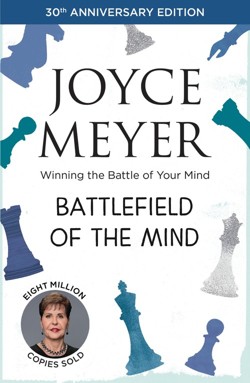
Battlefield of the Mind

NKJV, Simply Charming Bible, Hardcover, Pink

Liturgies of the Wild
Awareness
The Infographic Bible

Alter Your Life
The Qur'an


Benedictus

Holy Bible
Greek Myths

The Great Divorce

A Little God Time for Men
Alpha Guide