


LISP 1.5 Programmer's Manual by John Mccarthy
The manual describes LISP, a formal mathematical language. LISP differs from most programming languages in three important ways. The first way is in the nature of the data.The LISP language is designed primarily for symbolic data processing used for symbolic calculations in differential and integral calculus, electrical circuit theory, mathematical logic, game playing, and other fields of artificial intelligence. The manual describes LISP, a formal mathematical language. LISP differs from most programming languages in three important ways. The first way is in the nature of the data. In the LISP language, all data are in the form of symbolic expressions usually referred to as S-expressions, of indefinite length, and which have a branching tree-type of structure, so that significant subexpressions can be readily isolated. In the LISP system, the bulk of the available memory is used for storing S-expressions in the form of list structures. The second distinction is that the LISP language is the source language itself which specifies in what way the S-expressions are to be processed. Third, LISP can interpret and execute programs written in the form of S-expressions. Thus, like machine language, and unlike most other high level languages, it can be used to generate programs for further executions.
You might also like
-
 Getting Started with p5.js
-
 Java Software Solutions
-
 Java Software Structures
-
 100 Programmes for the B.B.C.Microcomputer
-
 Java and Object Orientation
-
 Database Design and Programming with Access, SQL and Visual Basic
-
 Agile Principles, Patterns, and Practices in C#
-
 Programming in Ada 95
-
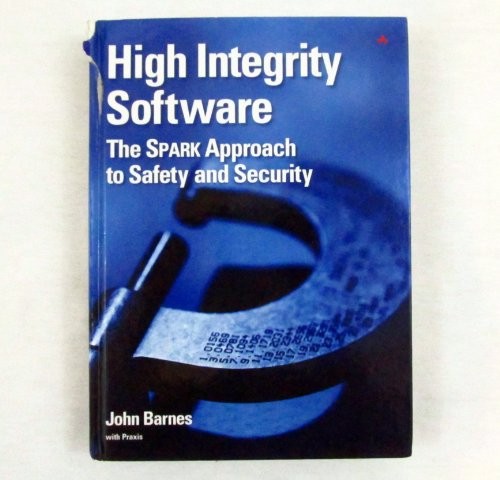 High Integrity Software
-
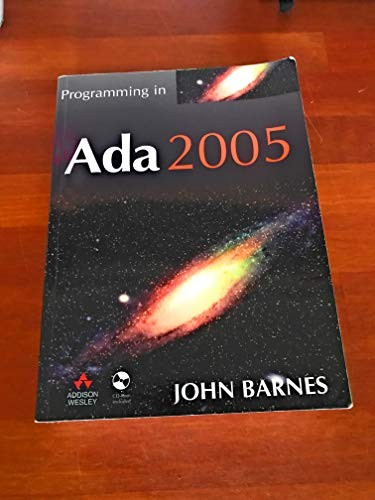 Programming in Ada 2005 with CD
-
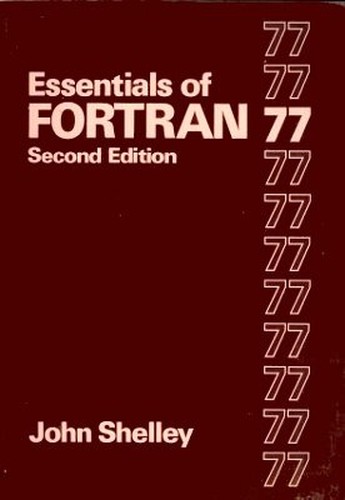 Essentials of Fortran 77
-
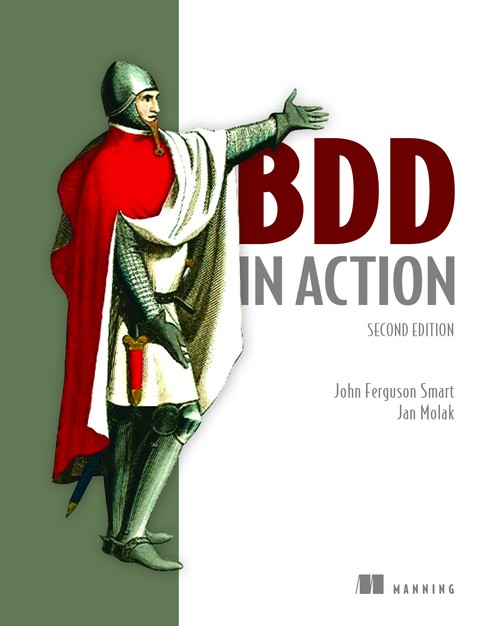 BDD in Action
-
 Algorithms in Java, Parts 1-4
-
 Code Reading
-
 Microsoft Visual C# Step by Step
-
 Microsoft Visual C# 2010 Step by Step
-
 Microsoft Visual C# .NET Step by Step--Version 2003
-
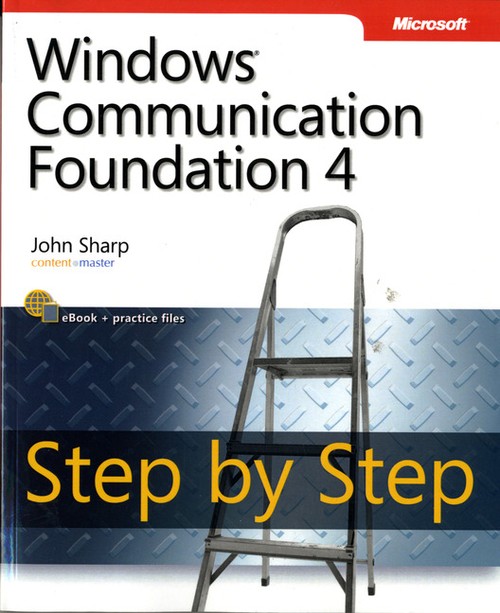 Windows Communication Foundation 4 Step by Step
-
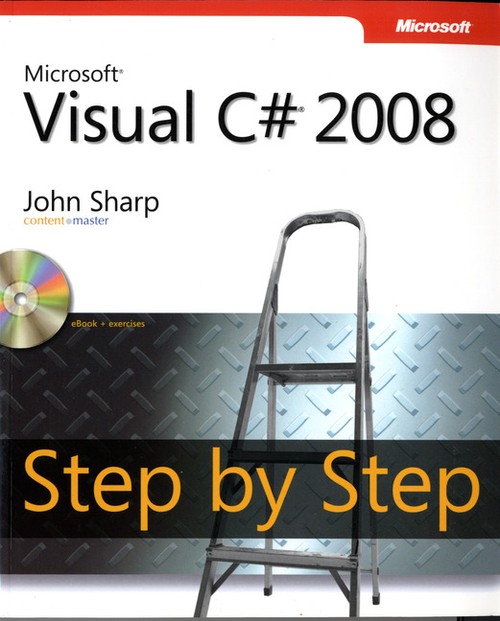 Microsoft Visual C# 2008 Step by Step
-
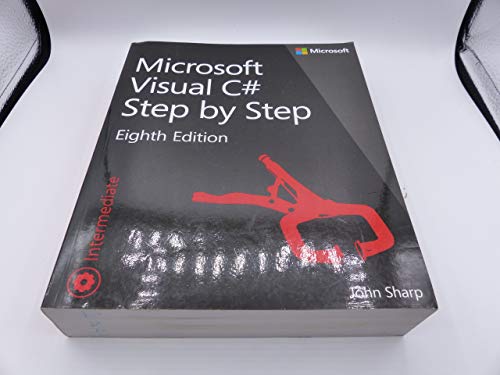 Microsoft Visual C# Step by Step
| SKU | Unavailable |
| ISBN 13 | 9780262130110 |
| ISBN 10 | 0262130114 |
| Title | LISP 1.5 Programmer's Manual |
| Author | John Mccarthy |
| Series | Lisp 15 Programmer's Manual |
| Condition | Unavailable |
| Binding Type | Paperback |
| Publisher | The Mit Press |
| Year published | 1962-08-15 |
| Number of pages | 112 |
| Cover note | Book picture is for illustrative purposes only, actual binding, cover or edition may vary. |
| Note | Unavailable |
Customers who bought this item also bought
-
 Site Reliability Engineering
-
 HTML and CSS
-
 System Design Interview - An Insider's Guide
-
 User Story Mapping
-
 Python Pocket Reference
-
 Effective Modern C++
-
 A Tour of C++, A
-
 Rust for Rustaceans
-
 Learn C# in One Day and Learn It Well
-
 Software Systems Architecture
-
 Fluent Python
-
 DevOps For Dummies
-
 Monolith to Microservices
-
 Become an Effective Software Engineering Manager
-
 Automate the Boring Stuff with Python, 2nd Edition
-
 The Self-taught Programmer
-
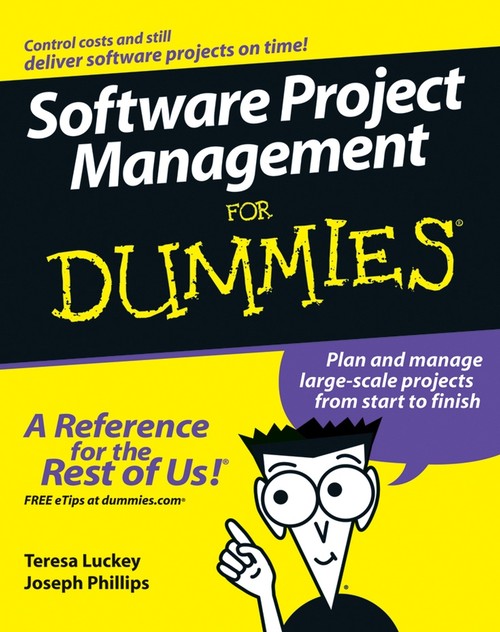 Software Project Management For Dummies
-
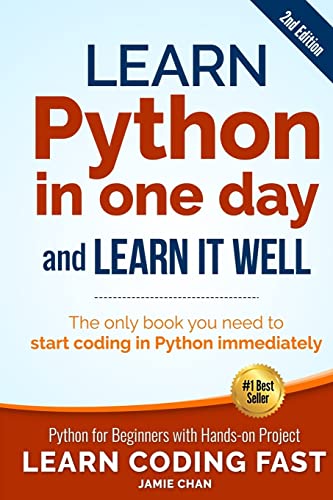 Learn Python in One Day and Learn It Well (2nd Edition)
-
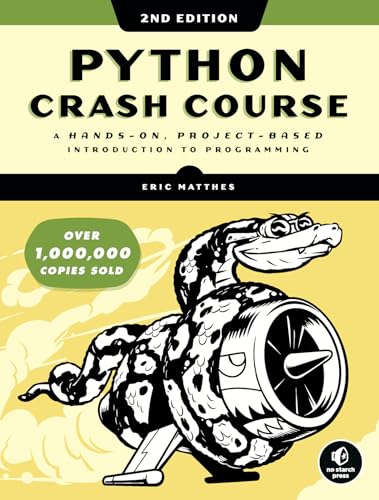 Python Crash Course (2nd Edition)
-
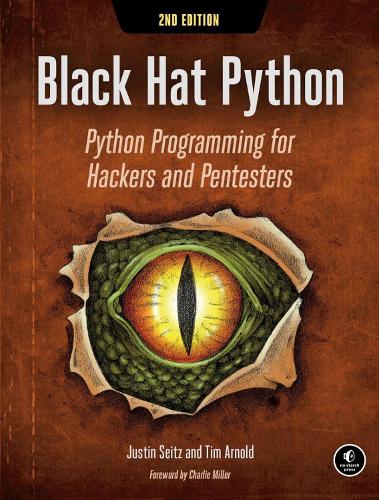 Black Hat Python, 2nd Edition
-
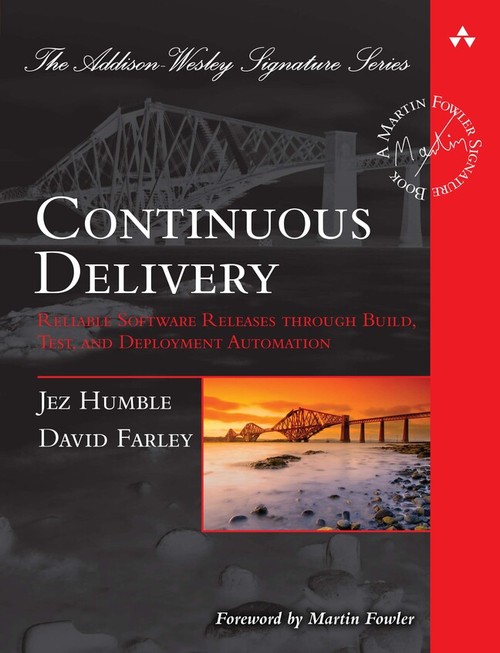 Continuous Delivery
-
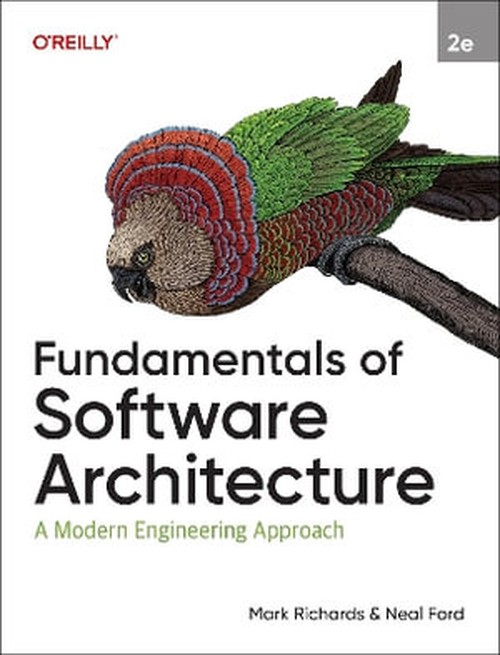 Fundamentals of Software Architecture
-
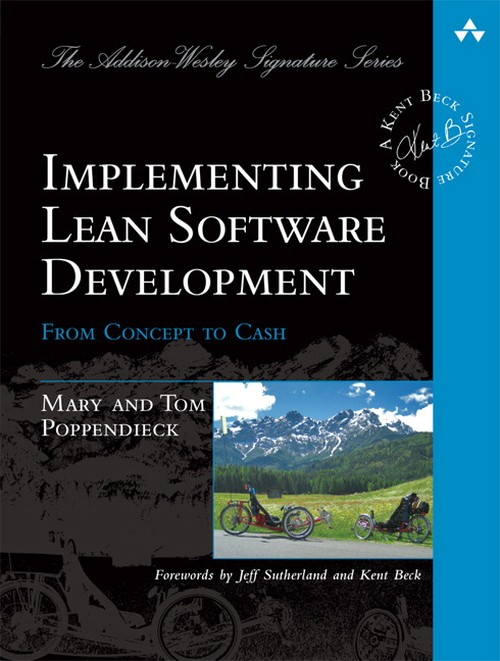 Implementing Lean Software Development
-
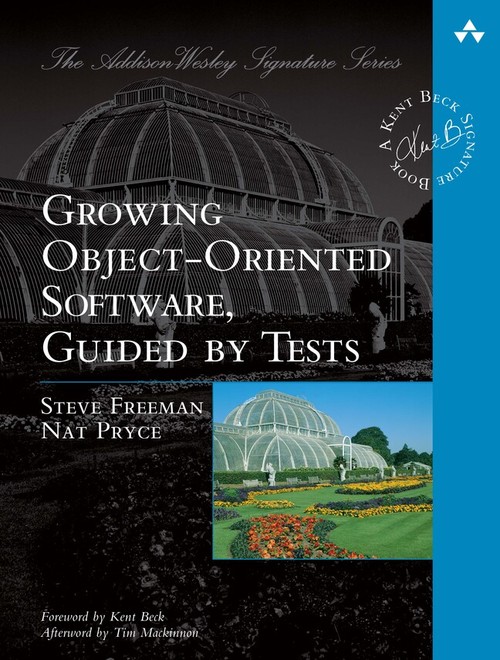 Growing Object-Oriented Software, Guided by Tests
-
![Flex & Bison [With Access Code]](https://image-server.worldofbooks.com/images/9780596155971.jpg?updatedAt=1786105263245) Flex & Bison [With Access Code]
Flex & Bison [With Access Code]
-
 Seven Languages in Seven Weeks
-
 Python for Everybody
-
 Coding All-in-One For Dummies
-
 Coding with Scratch - Create Awesome Platform Games
-
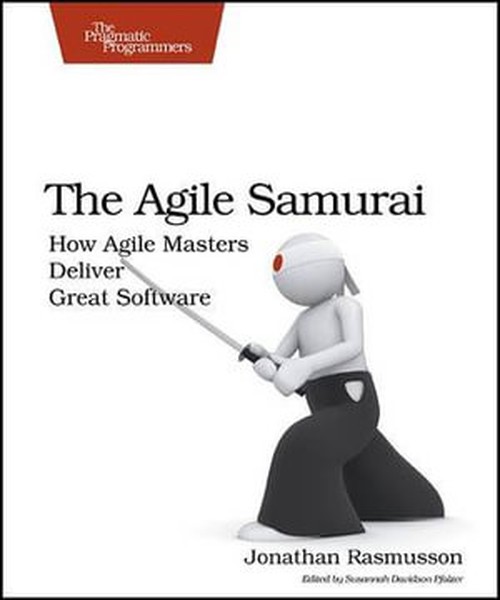 The Agile Samurai
-
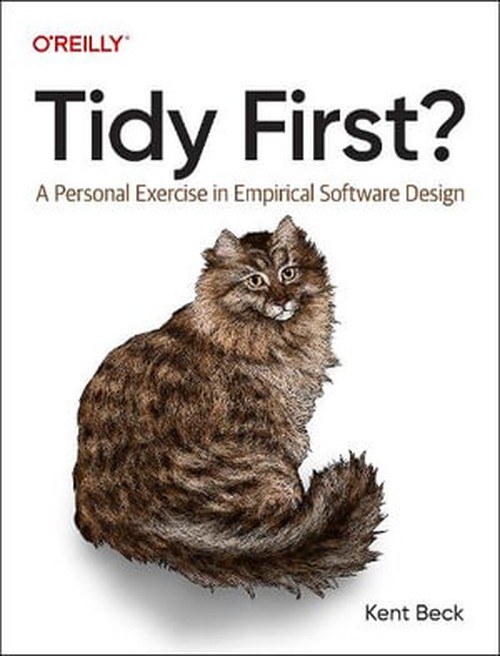 Tidy First?
-
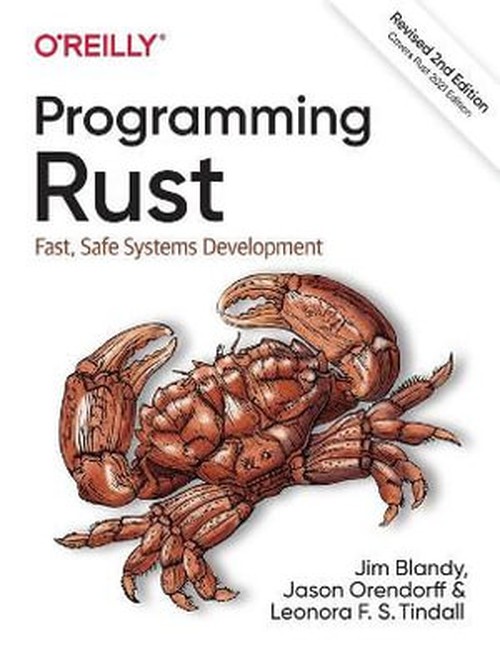 Programming Rust
-
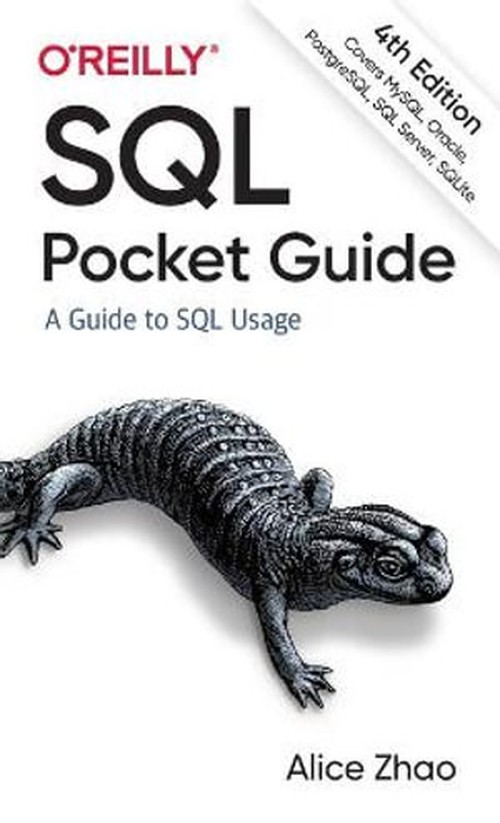 SQL Pocket Guide
-
 Software Estimation
-
 C Programming in easy steps
-
 Python Testing with pytest
-
 Programming in Lua, fourth edition
-
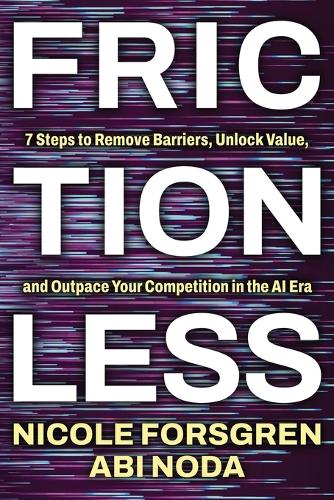 Frictionless
-
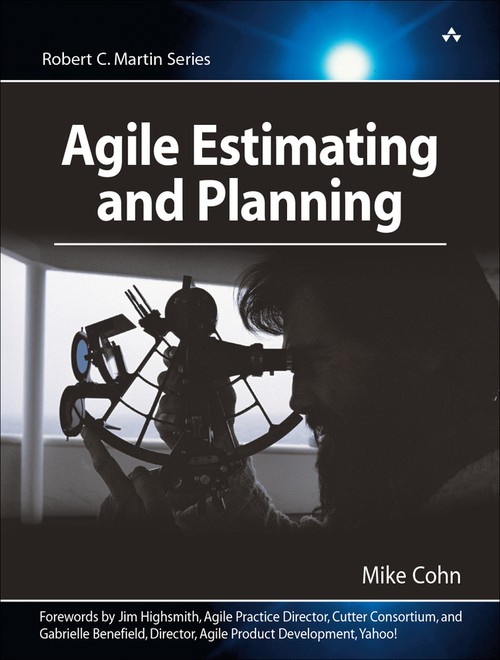 Agile Estimating and Planning
-
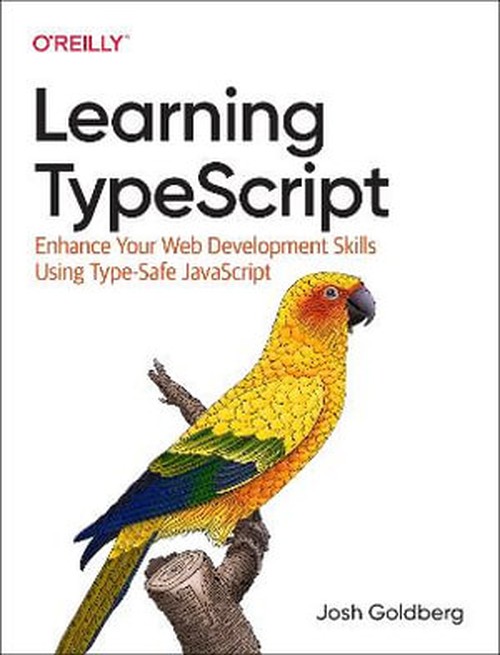 Learning Typescript
-
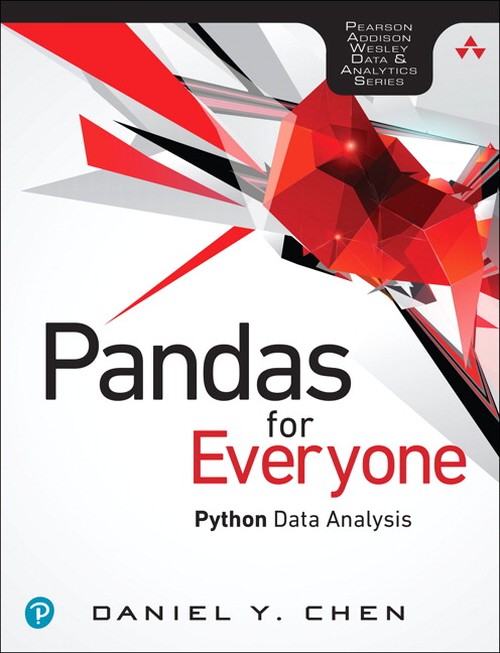 Pandas for Everyone
-
 Beginning Programming For Dummies
-
 Introduction Functional Programming
-
 C For Dummies
-
 Enterprise and Scrum, The
-
 Learning to Program in Python
-
 The Ethical Algorithm
-
 Python in easy steps
-
 The Software Engineer's Guidebook
-
 JavaScript and jQuery