


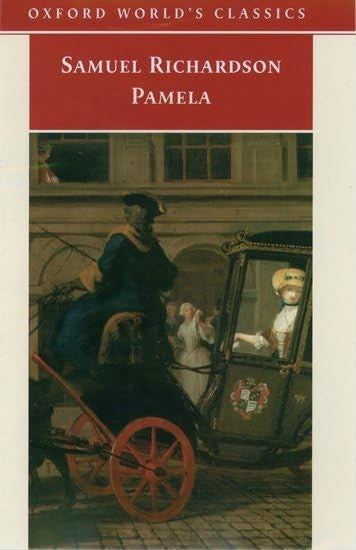
Pamela by Samuel Richardson
'Pamela under the Notion of being a Virtuous Modest Girl will be introduced into all Familes,and when she gets there, what Scenes does she represent? Why a fine young Gentleman endeavouring to debauch a beautiful young Girl of Sixteen.' (Pamela Censured, 1741) One of the most spectacular successes of the burgeoning literary marketplace of eighteeent-century London, Pamela also marked a defining moment in the emergence of the modern novel. In the words of one contemporary, it divided the world 'into two different Parties, Pamelists and Antipamelists', even eclipsing the sensational factional politics of the day. Preached up for its morality, and denounced as pornography in disguise, it vividly describes a young servant's long resistance to the attempts of her predatory master to seduce her. Written in the voice of its low-born heroine, but by a printer who fifteen years earlier had narrowly escaped imprisonment for the seditious output of his press, Pamela is not only a work of pioneering psychological complexity, but also a compelling and provocative study of power and its abuse. Based on the original text of 1740, from which Richardson later retreated in a series of defensive revisions, this edition makes available the version of Pamela that aroused such widespread controversy on its first appearance.Samuel Richardson (1689-1761) was an English writer and printer. Born the son of a carpenter, Richardson received a limited education before becoming a printer's apprentice. He established his own shop in 1719 and received his first major contract in 1723, printing a bi-weekly Jacobite newspaper which was soon censored. Having married in 1721, Richardson and his wife Martha Wilde suffered the loss of several sons before Martha succumbed to illness in 1732. Devastated, Richardson eventually remarried and focused on his career, earning a contract with the House of Commons in 1733 and hiring several apprentices to assist him at his shop. During this time, Richardson turned to fiction, publishing his first novel, Pamela; or, Virtue Rewarded in 1740, a work now considered the first modern novel. Throughout the remainder of his career, he published two more epistolary novels--Clarissa: Or the History of a Young Lady (1748) and The History of Sir Charles Grandison (1753)--while continuing his work as a prominent and successful printer. He published and befriended many of the leading writers of his time, including Daniel Defoe, Sarah Fielding, and Samuel Johnson.
| SKU | Unavailable |
| ISBN 13 | 9780192829603 |
| ISBN 10 | 0192829602 |
| Title | Pamela |
| Author | Samuel Richardson |
| Series | Oxford World's Classics Ser |
| Condition | Unavailable |
| Binding Type | Paperback |
| Publisher | Oxford University Press |
| Year published | 2001-09-01 |
| Number of pages | 592 |
| Cover note | Book picture is for illustrative purposes only, actual binding, cover or edition may vary. |
| Note | Unavailable |
Customers who bought this item also bought
-
 The Secret Garden
-
 Lady Audley's Secret
-
 The Complete Fairy Tales
-
 Far from the Madding Crowd
-
 The Custom of the Country
-
 The Custom of the Country
-
 Selected Tales
-
 Nineteen Eighty-Four
-
 To Kill A Mockingbird
-
 Rebecca
-
 The Ragged Trousered Philanthropists
-
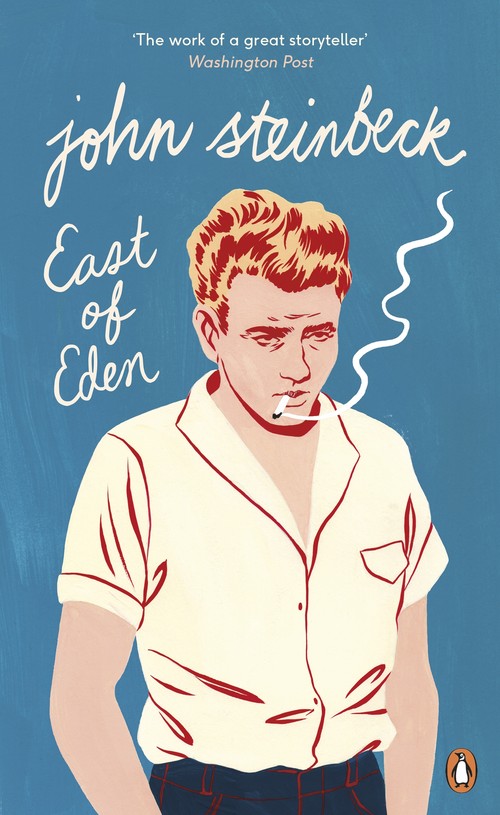 East of Eden
-
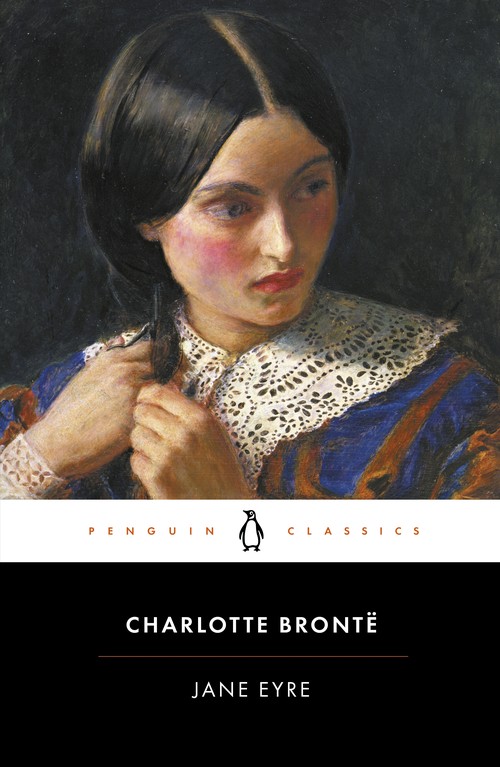 Jane Eyre
-
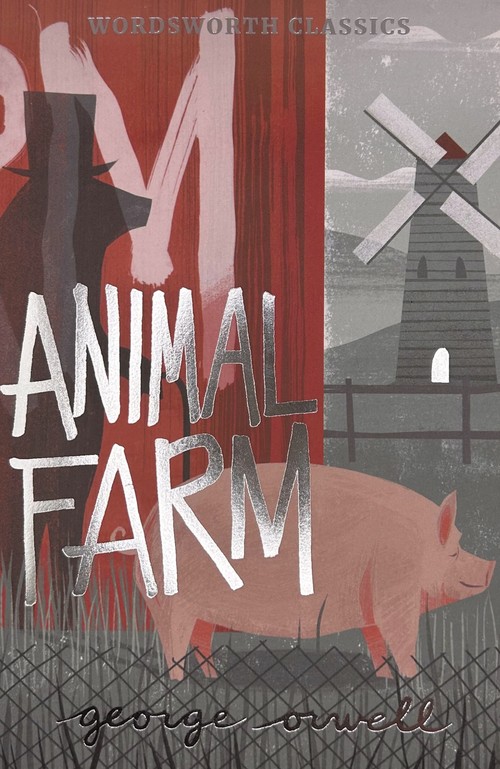 Animal Farm
-
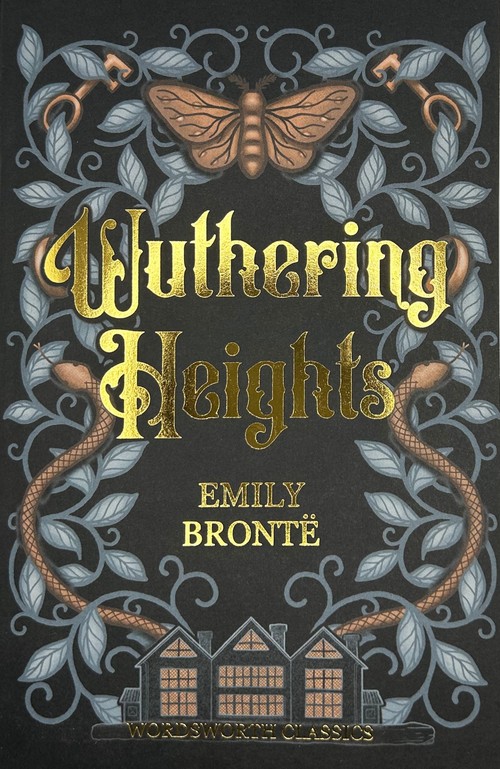 Wuthering Heights
-
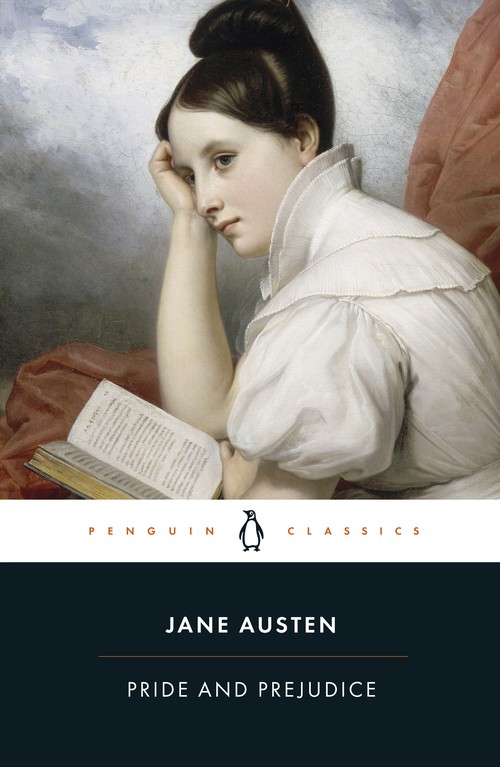 Pride and Prejudice
-
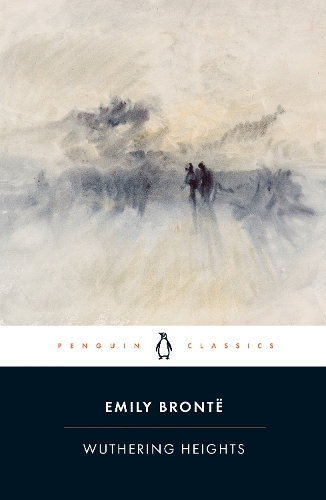 Wuthering Heights
-
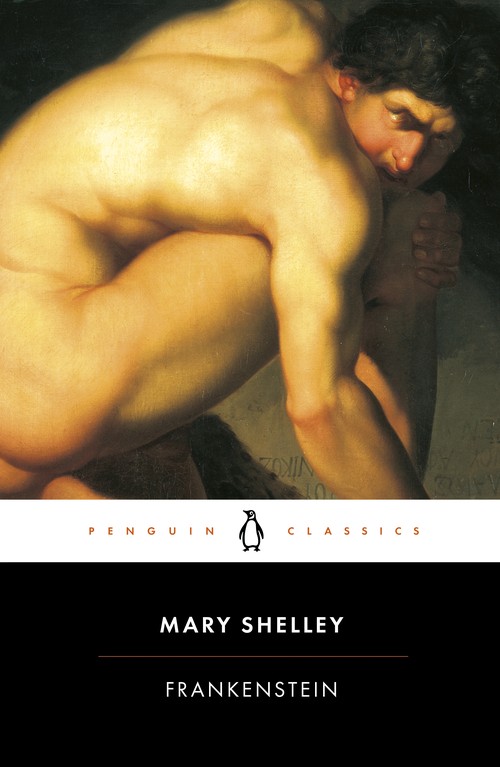 Frankenstein
-
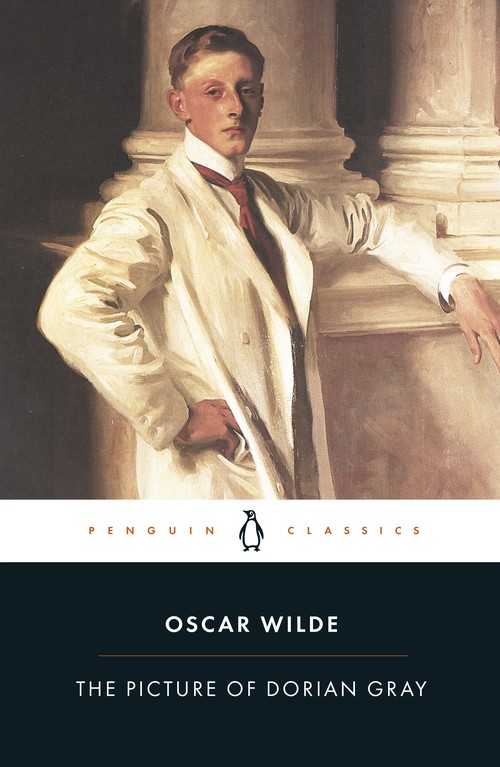 The Picture of Dorian Gray
-
 Dr. Jekyll and Mr. Hyde - the Original 1886 Classic (Reader's Library Classics)
-
 Jekyll and Hyde
-
 The Great Gatsby
-
 The Anniversary
-
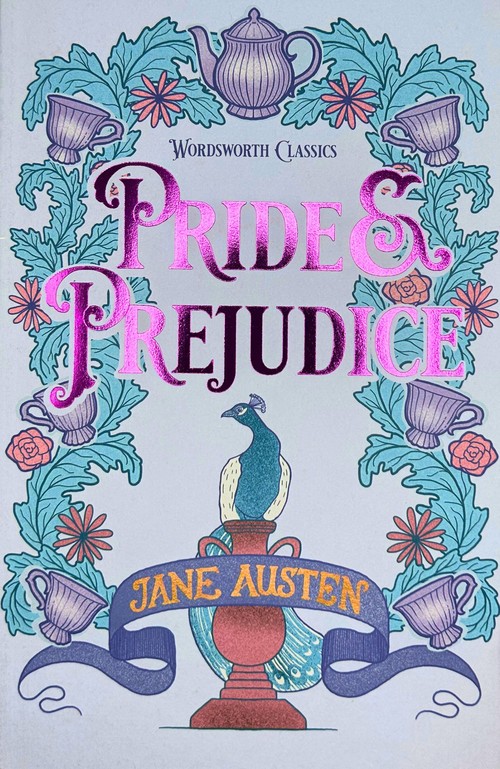 Pride and Prejudice
-
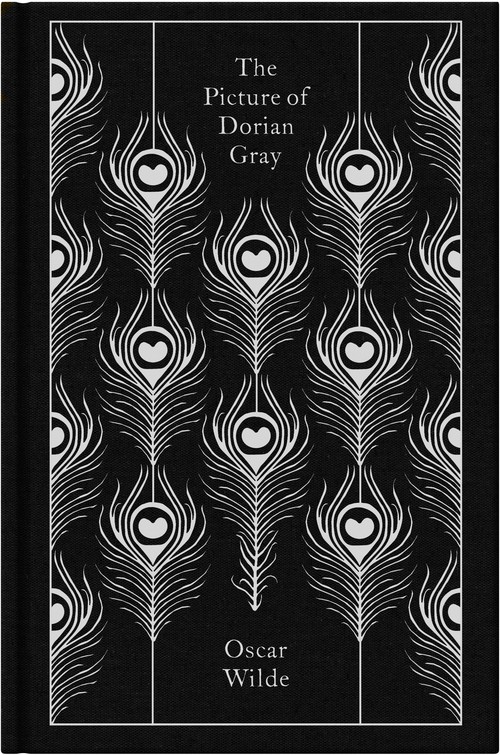 The Picture of Dorian Gray
-
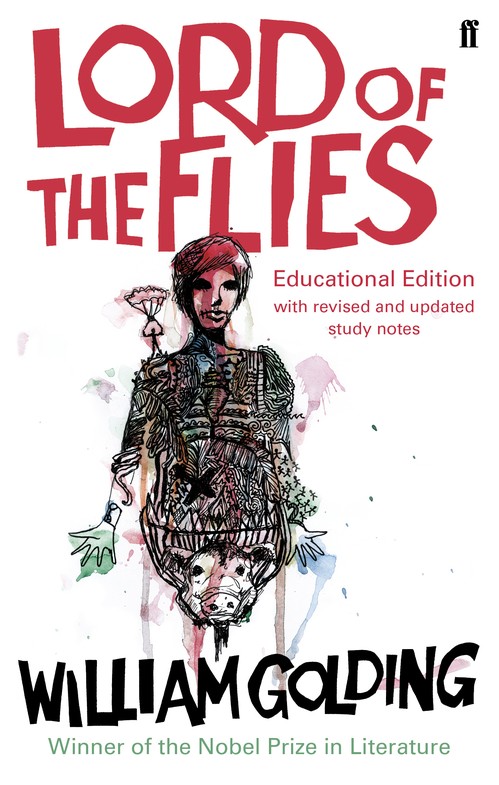 Lord of the Flies
-
 Middlemarch
-
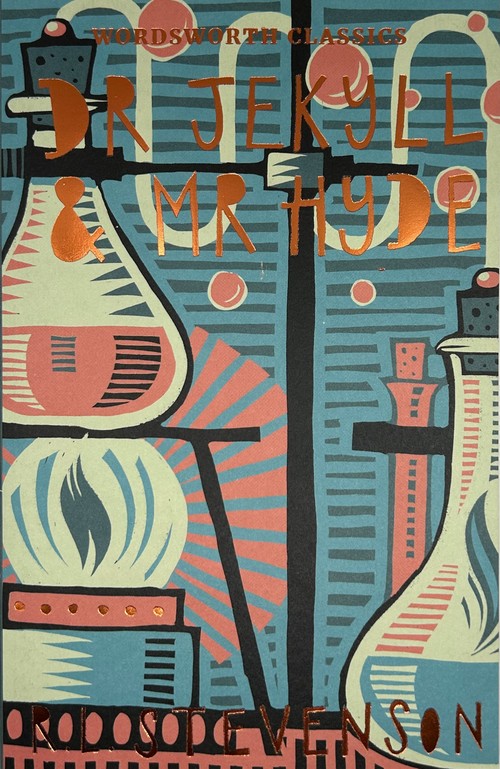 Dr Jekyll and Mr Hyde
-
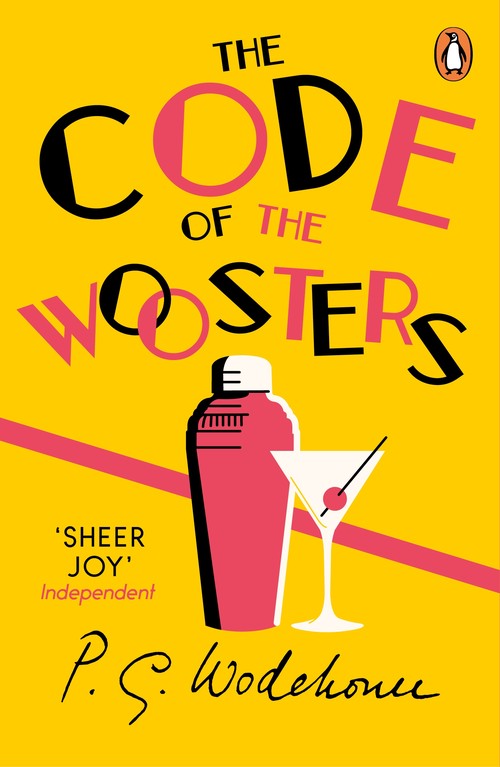 The Code of the Woosters
-
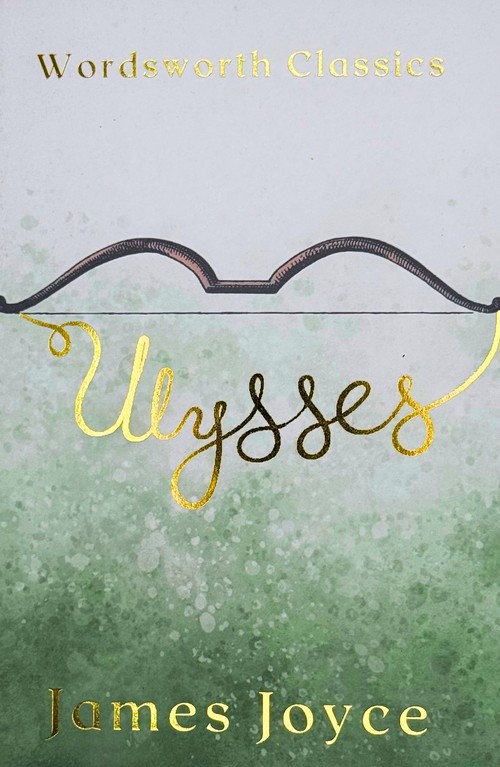 Ulysses
-
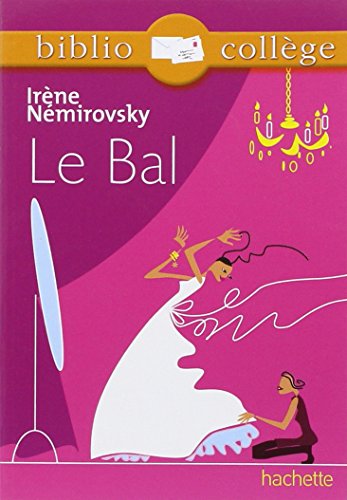 Le bal
-
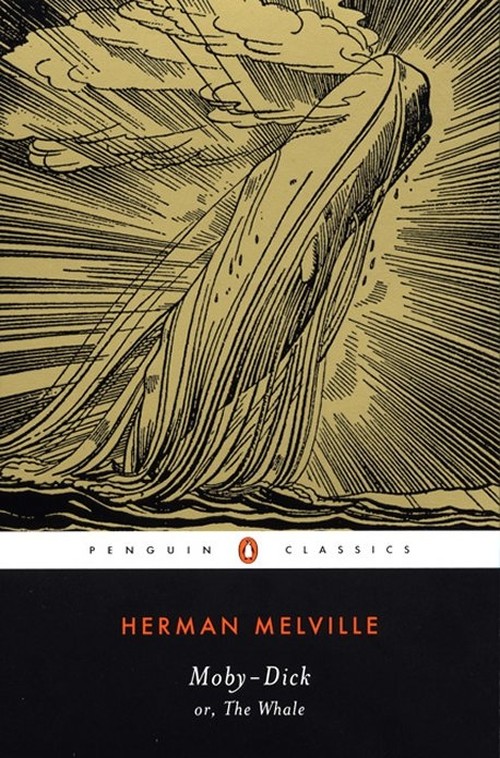 Moby-Dick
-
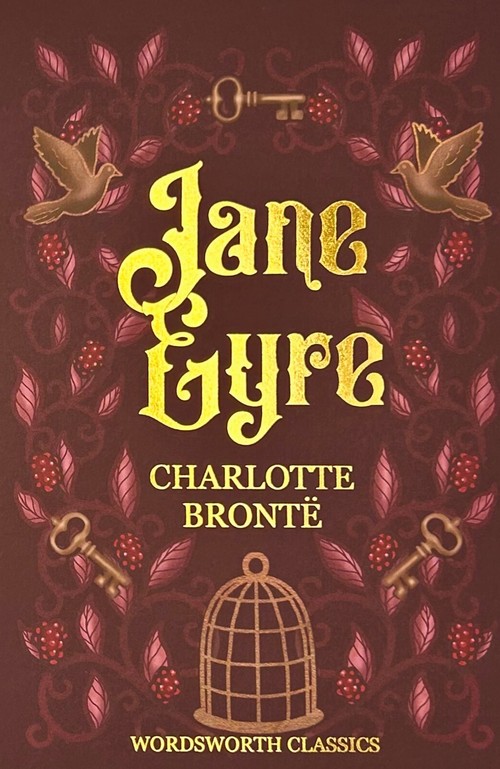 Jane Eyre
-
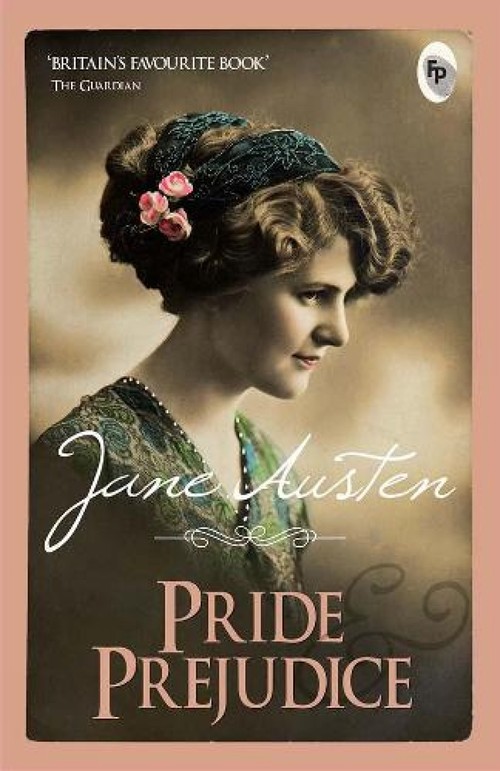 Pride & Prejudice
-
 The Trial
-
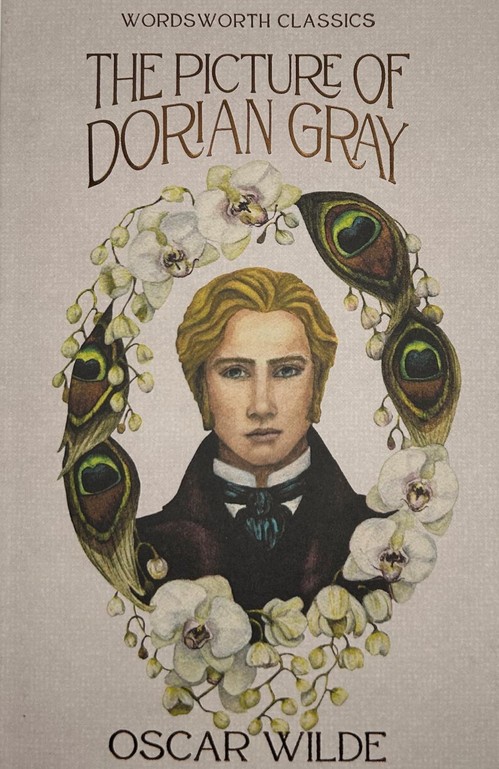 The Picture of Dorian Gray
-
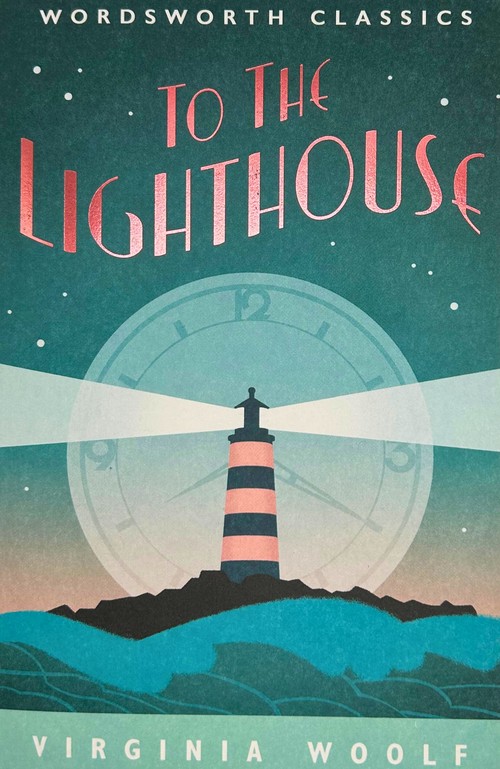 To the Lighthouse
-
 Middlemarch
-
 A Christmas Carol
-
 Les Les Miserables
-
 Storm of Steel
-
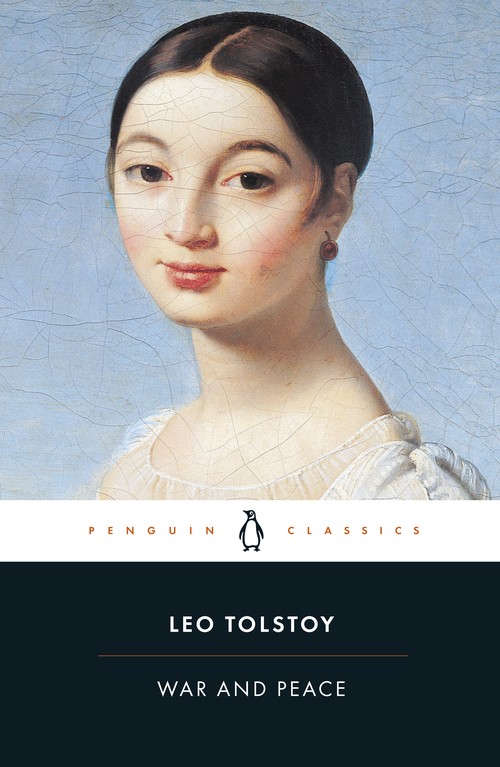 War And Peace
-
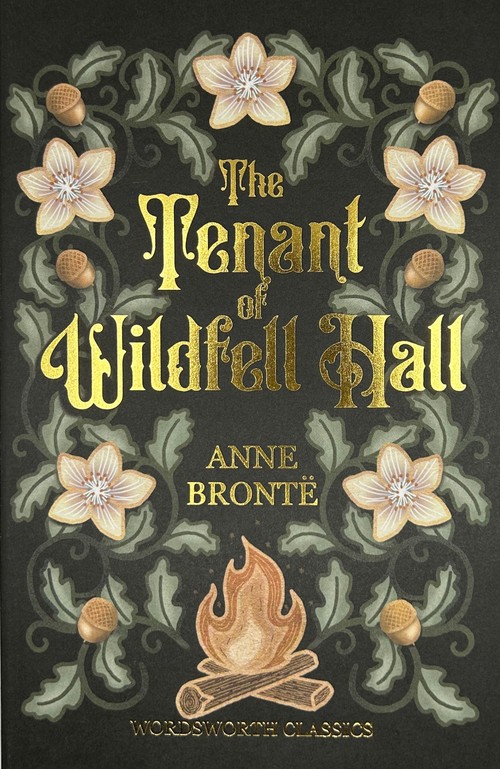 The Tenant of Wildfell Hall
-
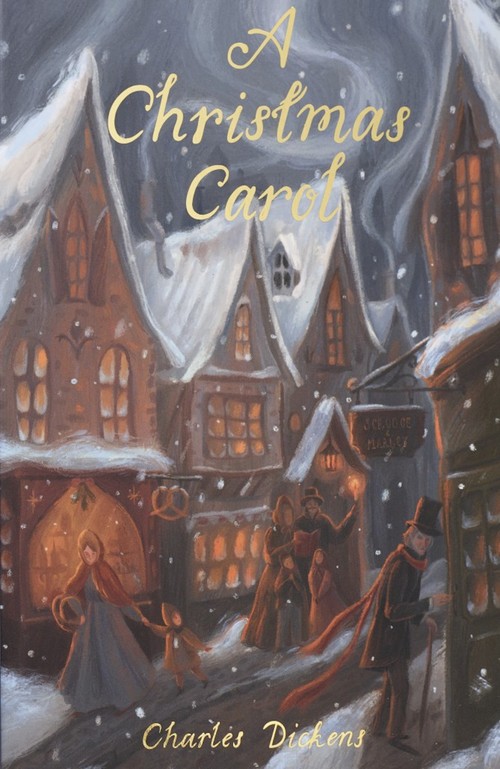 A Christmas Carol
-
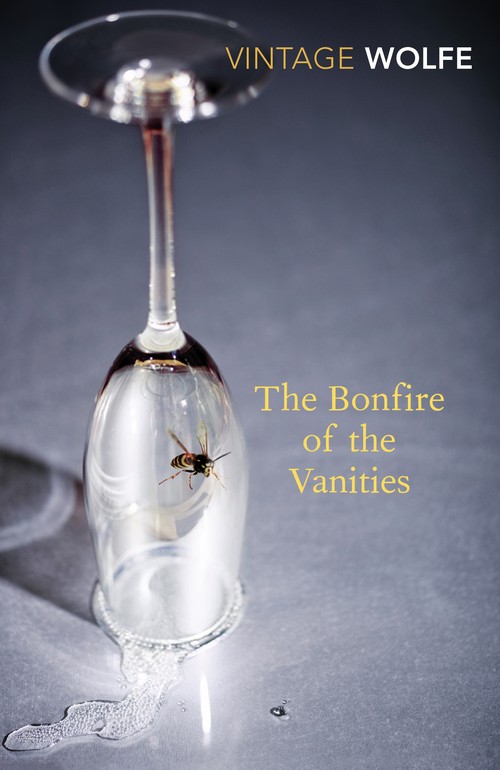 The Bonfire of the Vanities
-
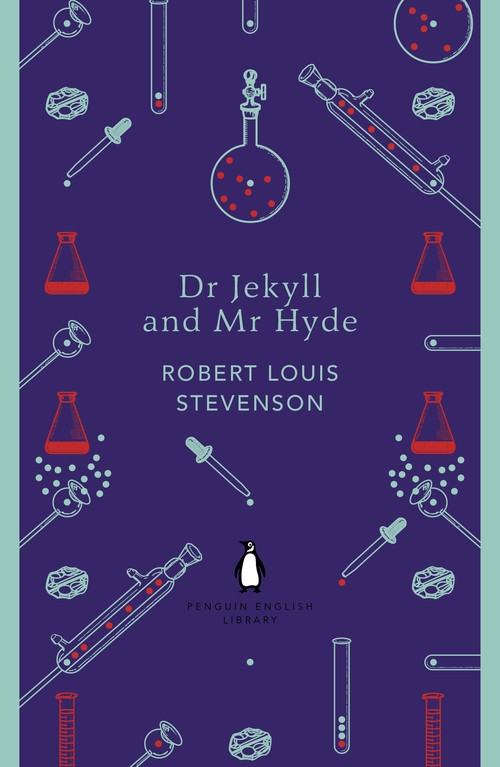 Dr Jekyll and Mr Hyde
-
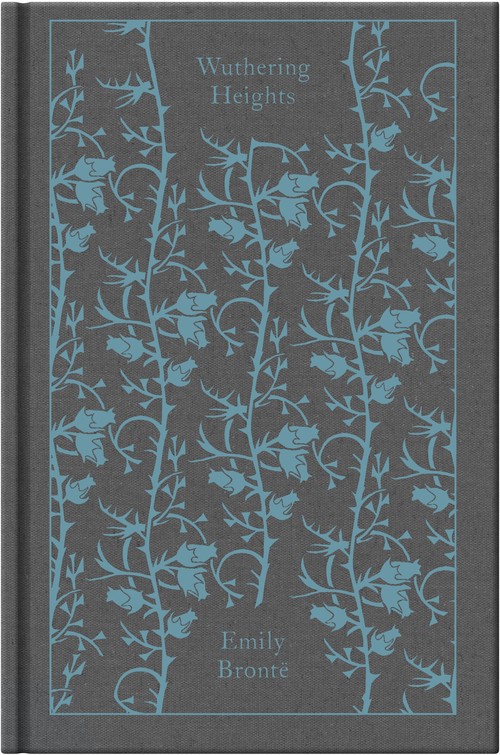 Wuthering Heights
-
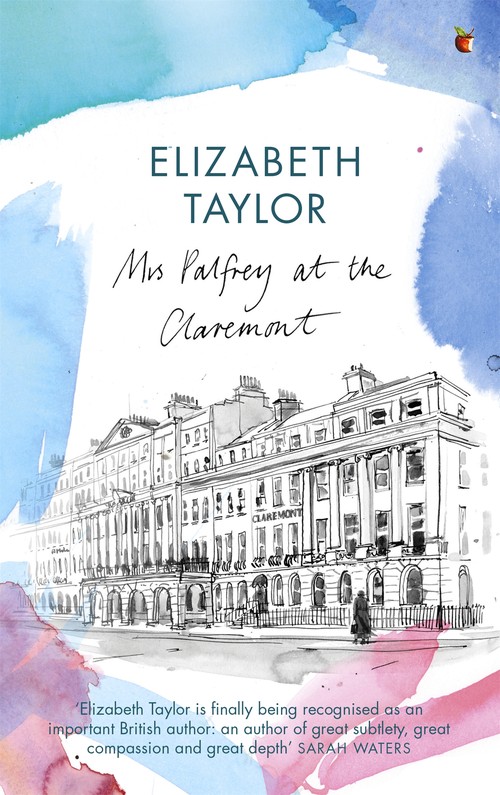 Mrs Palfrey At The Claremont
-
 Como agua para chocolate
-
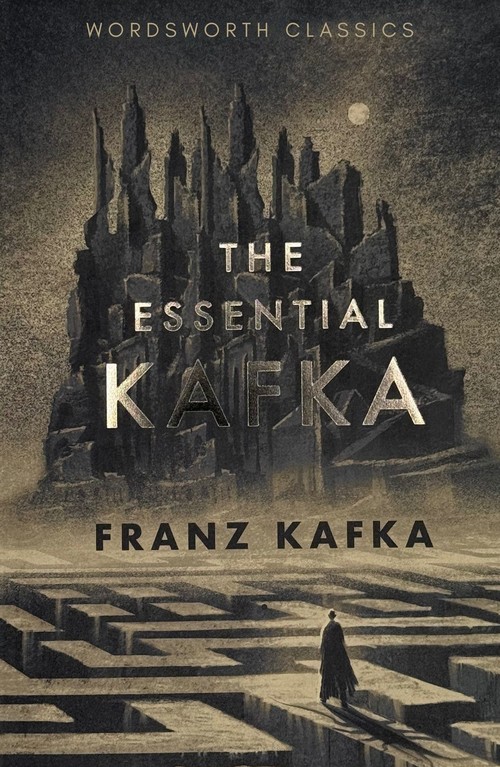 The Essential Kafka