


Phaedo by Plato
The Phaedo is acknowledged to be one of Plato's greatest masterpieces, showing him both as a philosopher and as a dramatist at the height of his powers. For its moving account of the execution of Socrates, the Phaedo ranks among the supreme literary achievements of antiquity. It is also a seminal document for many ideas deeply ingrained in western culture, and provides one of the best introductions to Plato's thought. This new edition is a revised version of the Clarendon Press translation, and is eminently suitable for readers new to Plato, and ideal for classroom use, thanks to the provision of Stephanus page and letter numbering.You might also like
Socrates' Defence
Loading...
Parmenides
Loading...
The Dialogues of Socrates
Loading...
Phaedrus
Loading...
A Plato Reader
Loading...
Selected Dialogues of Plato
Loading...
The Trials of Socrates
Loading...
The Portable Plato
Loading...
-
 The Qur'an
-
 A Christmas Carol and Other Christmas Books
-
 The Mabinogion
-
 Great Expectations
-
 Paradise Lost
-
 The Picture of Dorian Gray
-
 Selected Stories
-
 A Midsummer Night's Dream: The Oxford Shakespeare
-
 Four Major Plays
-
 The Confessions
-
 The Castle of Otranto
-
 Twelfth Night, or What You Will: The Oxford Shakespeare
-
 Mrs Dalloway
-
 Hamlet: The Oxford Shakespeare
-
 Pamela
-
 The Library of Greek Mythology
-
 Persuasion
-
 Strange Case of Dr Jekyll and Mr Hyde and Other Tales
-
 Far from the Madding Crowd
-
 The Monk
-
 On the Origin of Species
-
 The Private Memoirs and Confessions of a Justified Sinner
-
 The Turn of the Screw and Other Stories
-
 The Odyssey
-
 The Divine Comedy
-
 Little Women
-
 Jane Eyre
-
 Gulliver's Travels
-
 Evelina
-
 Metamorphoses
-
 Doctor Faustus and Other Plays
-
 The Custom of the Country
-
 The Ragged Trousered Philanthropists
-
 Othello: The Oxford Shakespeare
-
 Revelations of Divine Love
-
 To the Lighthouse
-
 The Mysteries of Udolpho
-
 Heart of Darkness and Other Tales
-
 The Bible: Authorized King James Version
-
 Robinson Crusoe
-
 Frankenstein
-
 Middlemarch
-
 Ulysses
-
 Theogony and Works and Days
-
 My Antonia
-
 The Awakening
-
 The Ecclesiastical History of the English People
-
 Five Plays


The new translation is freer in some places making it more accessible to those encountering Plato for the first timeAn essential book for those who desire an introduction to Platonic philosophy. * The Greek Gazette *
Born to a politically connected and aristocratic family between 428 and 423 B.C., Plato received a good standard of education at an early age, and was able to immerse himself in the intellectual community of Ancient Athens. His most notable contemporary and mentor was Socrates, an eccentric but highly capable philosopher who was to feature as a principle character in most of Plato's scholarly writings. Owing to his high standard of education in art, mathematics, rhetoric and philosophy, Plato was able to assemble a comprehensive philosophy of his own via his favoured form of writing which was the dialogue. In total, over thirty of these Platonic dialogues have survived the passage of time - and together they form the backbone of Ancient Greek philosophy. After enjoying success as a writer and academic, Plato in 385 B.C. founded The Academy. This school was to unite the most capable thinkers of Greece, and would help to advance learning throughout Greek society's Golden Age. It was in the Academy that Plato would instruct and apprentice Aristotle, who was to go on to gain renown as a philosopher and scholar. Owing to his reputation Plato was hired by Dion, whose nephew Dionysus II was the rightful ruler of Sicily - Dion wished his nephew to receive a good education in the art of sound and wise governance. However Dionysus II became suspicious and accused both Plato and Dion of conspiracy - after some time spent under arrest, Plato returned to his homeland. In his late period, Plato continued to tutor and mentor the best young minds of Athens, and he would perish around 348 B.C. having lived beyond the age of eighty. Today Plato's legacy remains lauded: the philosopher ably used logic and reason to imbue insight on democratic governance, while developing a cohesive philosophy on topics such as art, metaphysics, justice and the 'Theory of Forms' - his iconic take on how ideas related to reality.
| SKU | Unavailable |
| ISBN 13 | 9780199538935 |
| ISBN 10 | 019953893X |
| Title | Phaedo |
| Author | Plato |
| Series | Oxford World's Classics |
| Condition | Unavailable |
| Binding Type | Paperback |
| Publisher | Oxford University Press |
| Year published | 2009-02-26 |
| Number of pages | 144 |
| Cover note | Book picture is for illustrative purposes only, actual binding, cover or edition may vary. |
| Note | Unavailable |
Customers who bought this item also bought


Meditations
Loading...

The Iliad
Loading...
The Art of Being Easily Pleased
Loading...

Macbeth (No Fear Shakespeare)
Loading...
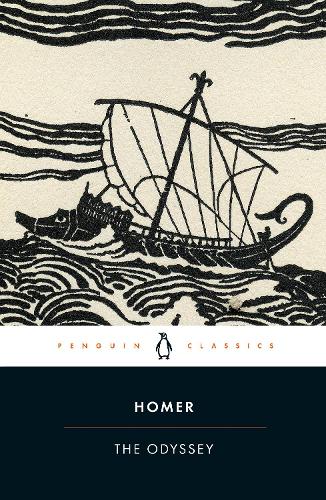
The Odyssey
Loading...

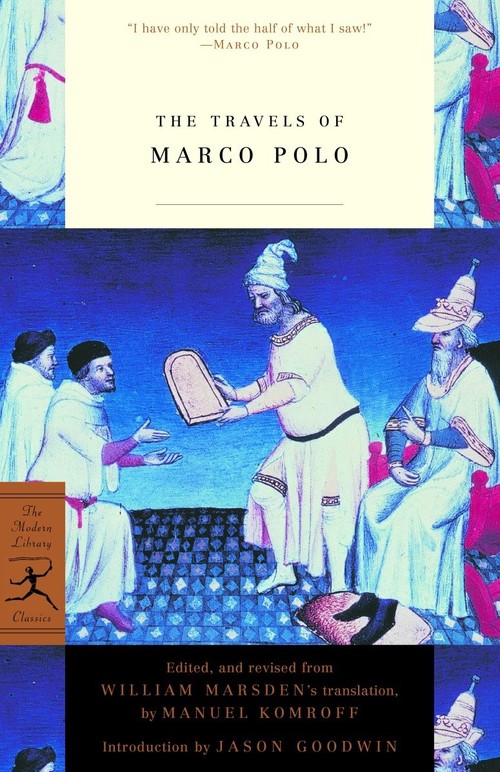
The Travels of Marco Polo
Loading...

31 Inventions that Built Our World
Loading...


Blood Brothers
Loading...

Ted Hughes
Loading...


Poems of the Decade
Loading...

Finding Joy
Loading...

The Faber Book of Reportage
Loading...

The Age of Diagnosis
Loading...
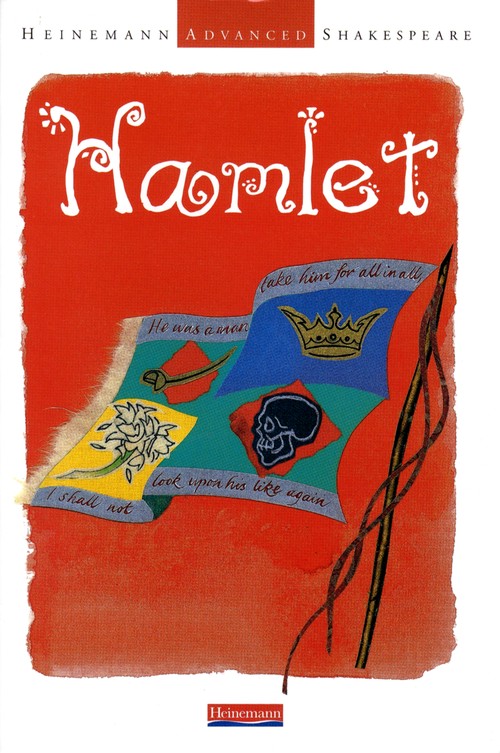
Heinemann Advanced Shakespeare: Hamlet
Loading...



House of Two Pharaohs
Loading...
Loss: The New Collection
Loading...

Tongue
Loading...


Noughts & Crosses
Loading...

Paradise Lost
Loading...


Romeo and Juliet (No Fear Shakespeare)
Loading...
Othello
Loading...




The Brain
Loading...

Mean Time
Loading...
A Poetry Handbook
Loading...