


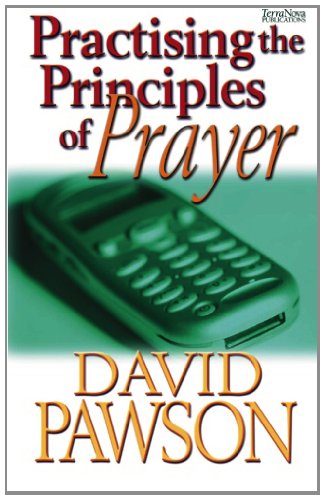
Practising the Principles of Prayer by David Pawson
Good CEO, Bad CEO
Mastering the Art of Effective CEO Management & Transforming CEO Bad Habits into Good Practices
A Complete, Comprehensive, Extensive and Ultimate Guide to Becoming a Great Global CEO
Self-Study Handbook
Synopsis:
This comprehensive guide offers a detailed exploration of the CEO's role in modern leadership, covering a broad spectrum of topics essential for effective management and successful organisational growth. Designed for both aspiring and current CEOs, the book delves into the qualities, strategies, and mindsets required to lead with integrity, foster innovation, and navigate complex business challenges.
The book begins by examining the dual nature of CEO management, where the contrasting traits of successful versus unsuccessful CEOs are discussed. By comparing the Good CEO vs Bad CEO, the author highlights the importance of self-awareness, clear communication, and the ability to make strategic decisions that impact both the company and its people. The chapter focuses on the need for a balance between authority and empathy, understanding that a great CEO not only drives business success but also creates a healthy organisational culture.
As the narrative progresses, the book shifts towards ethical leadership in Chapter 2, emphasising the fine line between leading with integrity and misleading the team for personal or corporate gain. Drawing on real-world examples, this section stresses how the CEO's actions, decisions, and transparency influence the trust and loyalty of employees. Leaders who act unethically create lasting damage to their reputation and company morale, underscoring the importance of maintaining values-based leadership at all times.
Chapters 3 through 6 then explore the key traits and behaviours that define great CEOs, such as communication skills, empathy, accountability, and adaptability. These sections dive deeper into how CEOs can influence team success and failure, with a focus on strategic decision-making, delegation, conflict resolution, and feedback. The text provides a roadmap for CEOs to manage change, inspire innovation, and continuously improve leadership practices, making it clear that leadership growth is a constant process.
In Chapters 7 to 9, the book shifts focus to practical tools for enhancing CEO effectiveness, including active listening, fostering team morale, and cultivating a culture of continuous learning and development. Here, leaders are encouraged to identify bad habits that hinder their effectiveness, replacing them with best practices that promote trust, collaboration, and team empowerment.
Chapters 10 to 13 explore the emotional and psychological aspects of CEO leadership, offering strategies for managing stress and emotional intelligence and navigating organisational change. The importance of staying grounded, maintaining resilience during crisis, and creating stability amid uncertainty is emphasised. The CEO's ability to guide the organisation through challenging times and inspire their teams to perform under pressure is portrayed as crucial for long-term success.
The book further elaborates on the impact of leadership strategies and decision-making in shaping both short- and long-term organisational outcomes. Chapters 14 through 17 examine how CEOs can foster creativity, innovation, and adaptability within their teams while also managing risks and setbacks effectively. It provides guidelines on recognising personal weaknesses, overcoming poor leadership habits, and developing an action plan for self-improvement.
| SKU | Unavailable |
| ISBN 13 | 9781901949582 |
| ISBN 10 | 1901949583 |
| Title | Practising the Principles of Prayer |
| Author | David Pawson |
| Condition | Unavailable |
| Binding Type | Paperback |
| Publisher | Terra Nova Publications International Ltd |
| Year published | 2008-01-01 |
| Number of pages | 288 |
| Cover note | Book picture is for illustrative purposes only, actual binding, cover or edition may vary. |
| Note | Unavailable |