


The Walk by Robert Walser
Robert Walser's preferred alternate version of his classic tale. In a new translation by Susan Bernofsky, The Walk is an elegant consideration of walking and the philosophical musings it engenders.You might also like
-
 The Count of Monte Cristo
-
 To Kill A Mockingbird
-
 The Ragged Trousered Philanthropists
-
 The Great Gatsby
-
 Wuthering Heights
-
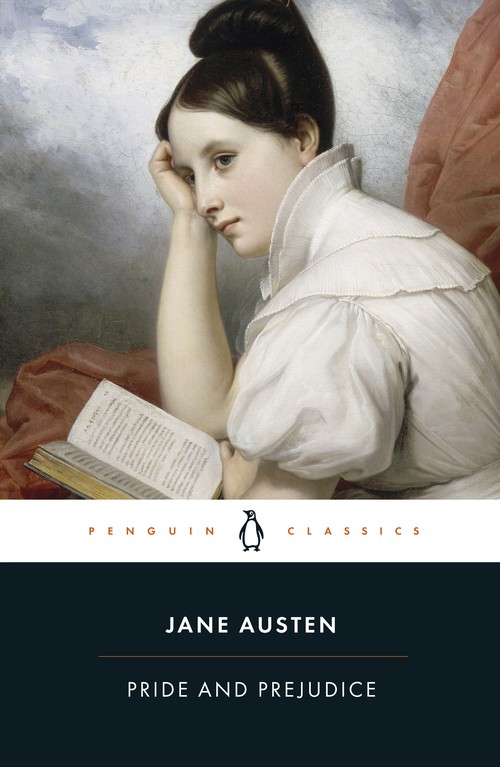 Pride and Prejudice
-
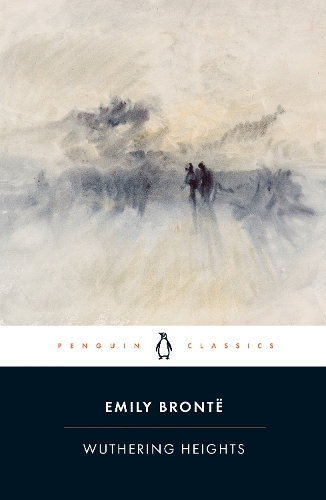 Wuthering Heights
-
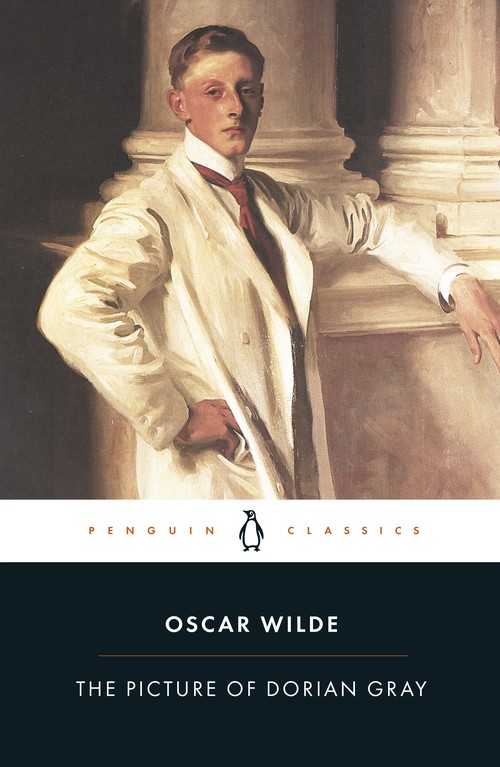 The Picture of Dorian Gray
-
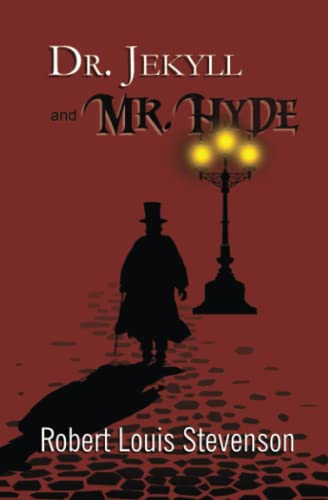 Dr. Jekyll and Mr. Hyde - the Original 1886 Classic (Reader's Library Classics)
-
 Jekyll and Hyde
-
 The Anniversary
-
 Frankenstein
-
 Pride and Prejudice
-
 The Picture of Dorian Gray
-
 Dr Jekyll and Mr Hyde
-
 Lord of the Flies
-
 Middlemarch
-
 Le bal
-
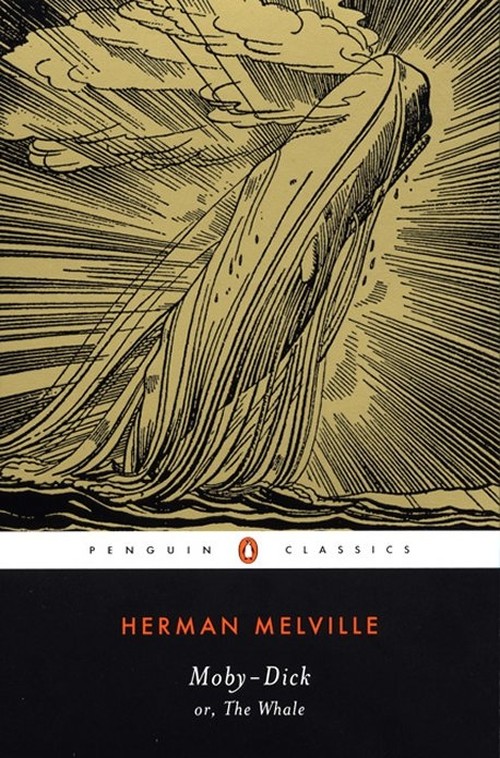 Moby-Dick
-
 Jane Eyre
"Incredibly interesting and beautiful" -- John Ashbery
"One of the most profound products of modern literature." -- Walter Benjamin
"The Walk is a good place to start reading Walser, and offers a kind of bridge between the novels and the microscripts.... The walk is a search for freedom, is an act of freedom itself, and the writing feels free to launch into invective, or drape itself in courtesy, as it pleases. It is an attempt to approximate writing to life, to subject it to circumstance and chance encounter, but for all its overt artificiality the story is deeply affecting." -- The Times Literary Supplement
"Walser’s project is mirrored and echoed by modernity’s general obsession with interiority and exploring new forms of subjectivity. We should understand Walser’s poetics of smallness as being as grandiose as anything that modernity has produced." -- The Quarterly Conversation
"The hope that shines forth in the moments of self-knowledge, transcendence, and grace Walser describes is anything but meager: on the contrary, it is exultation the writer feels when he perceives the sublime in the tiniest details of everyday life." -- The Brooklyn Rail
"One of the most profound products of modern literature." -- Walter Benjamin
"The Walk is a good place to start reading Walser, and offers a kind of bridge between the novels and the microscripts.... The walk is a search for freedom, is an act of freedom itself, and the writing feels free to launch into invective, or drape itself in courtesy, as it pleases. It is an attempt to approximate writing to life, to subject it to circumstance and chance encounter, but for all its overt artificiality the story is deeply affecting." -- The Times Literary Supplement
"Walser’s project is mirrored and echoed by modernity’s general obsession with interiority and exploring new forms of subjectivity. We should understand Walser’s poetics of smallness as being as grandiose as anything that modernity has produced." -- The Quarterly Conversation
"The hope that shines forth in the moments of self-knowledge, transcendence, and grace Walser describes is anything but meager: on the contrary, it is exultation the writer feels when he perceives the sublime in the tiniest details of everyday life." -- The Brooklyn Rail
Robert Walser (1878–1956) was born in Switzerland. He left school at fourteen and led a wandering and precarious existence working as a bank clerk, a butler in a castle, and an inventor's assistant while producing essays, stories, and novels. In 1933 he abandoned writing and entered a sanatorium—where he remained for the rest of his life. "I am not here to write," Walser said, "but to be mad." Susan Bernofsky is the acclaimed translator of Hermann Hesse, Robert Walser, and Jenny Erpenbeck, and the recipient of many awards, including the Helen and Kurt Wolff Prize and the Hermann Hesse Translation Prize. She teaches literary translation at Columbia University and lives in New York.
| SKU | Unavailable |
| ISBN 13 | 9780811219921 |
| ISBN 10 | 0811219925 |
| Title | The Walk |
| Author | Robert Walser |
| Series | New Directions Pearls |
| Condition | Unavailable |
| Binding Type | Paperback |
| Publisher | New Directions Publishing Corporation |
| Year published | 2012-06-01 |
| Number of pages | 96 |
| Cover note | Book picture is for illustrative purposes only, actual binding, cover or edition may vary. |
| Note | Unavailable |
Customers who bought this item also bought
-
The Count of Monte Cristo
-
To Kill A Mockingbird
-
The Ragged Trousered Philanthropists
-
The Great Gatsby
-
Wuthering Heights
-
Pride and Prejudice
-
Wuthering Heights
-
The Picture of Dorian Gray
-
Dr. Jekyll and Mr. Hyde - the Original 1886 Classic (Reader's Library Classics)
-
Jekyll and Hyde
-
The Anniversary
-
Frankenstein
-
Pride and Prejudice
-
The Picture of Dorian Gray
-
Dr Jekyll and Mr Hyde
-
Lord of the Flies
-
Middlemarch
-
Le bal
-
Moby-Dick
-
Jane Eyre
-
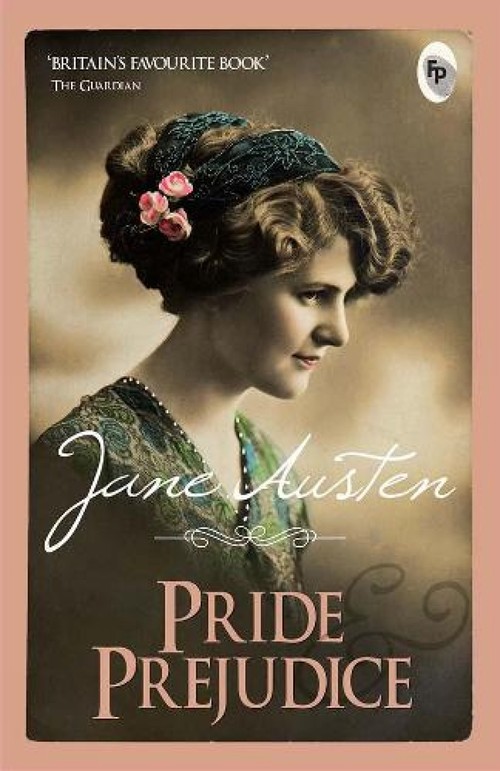 Pride & Prejudice
-
 The Master and Margarita
-
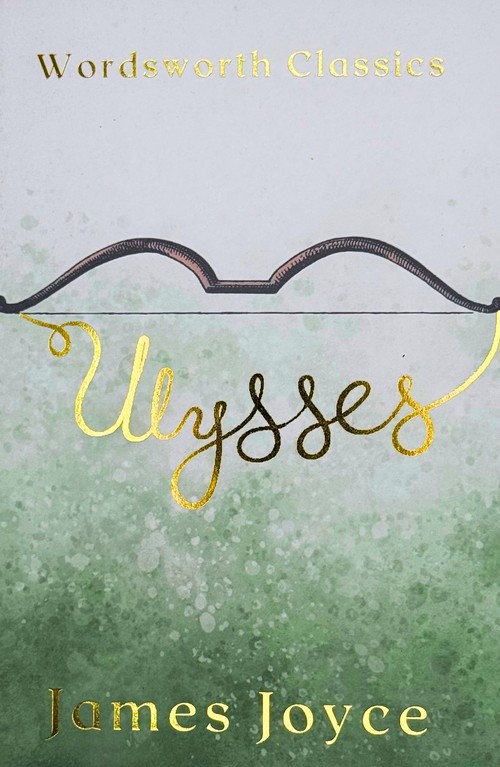 Ulysses
-
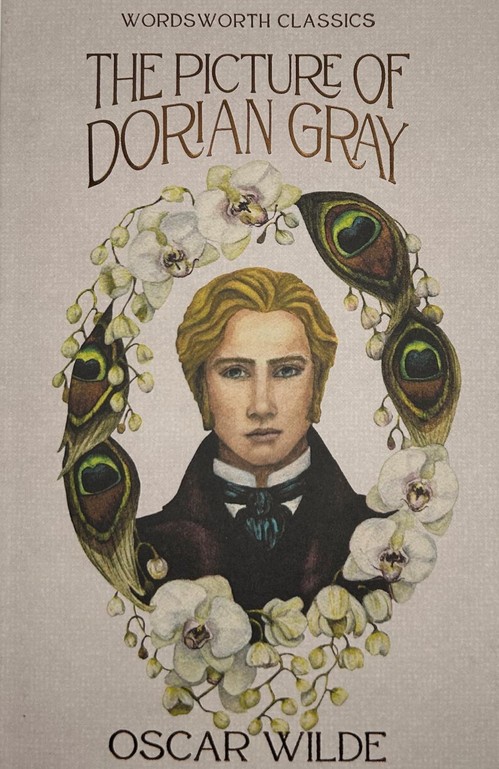 The Picture of Dorian Gray
-
 To the Lighthouse
-
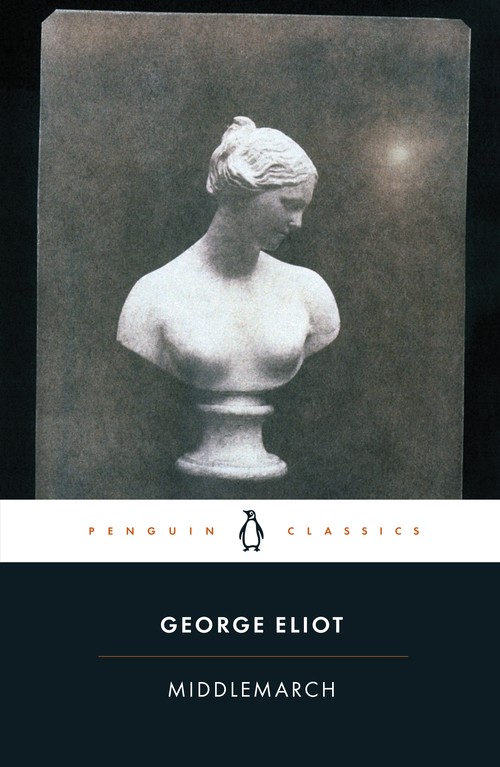 Middlemarch
-
 A Christmas Carol
-
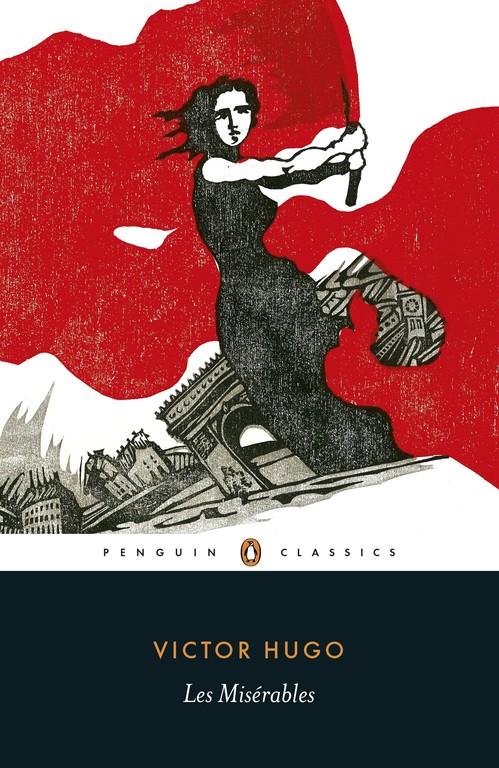 Les Les Miserables
-
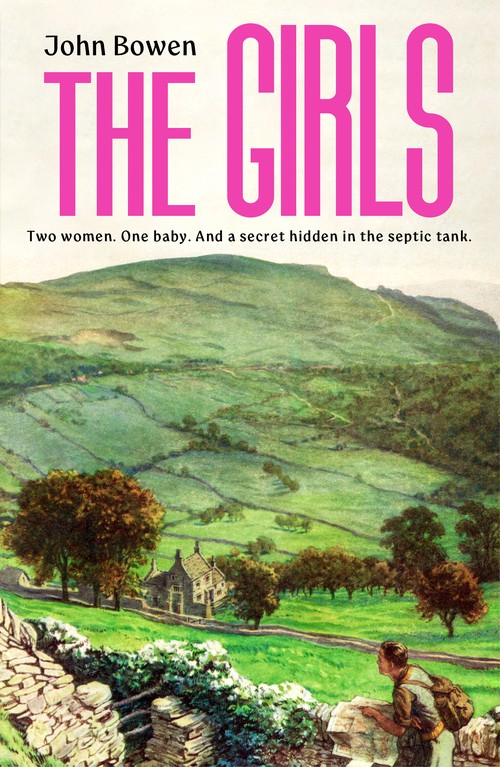 The Girls
-
 War And Peace
-
 The Tenant of Wildfell Hall
-
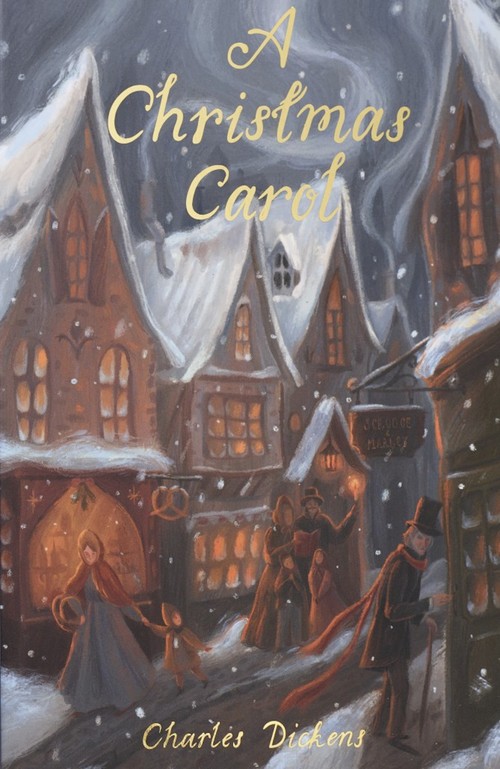 A Christmas Carol
-
 Dr Jekyll and Mr Hyde
-
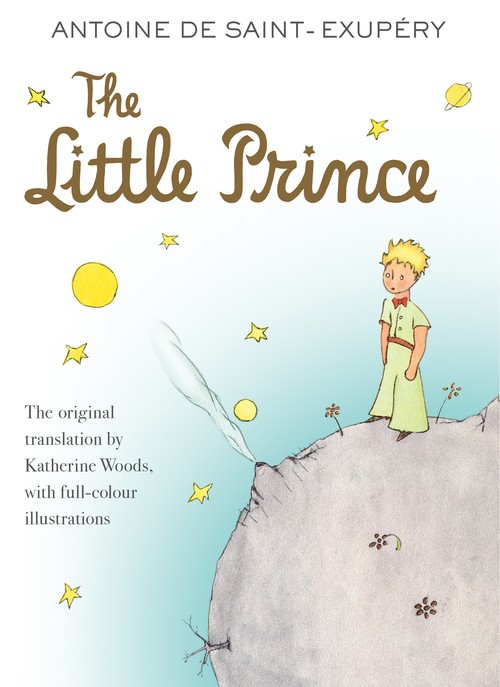 The Little Prince
-
 Wuthering Heights
-
 Mrs Palfrey At The Claremont
-
 Como agua para chocolate
-
 The Essential Kafka
-
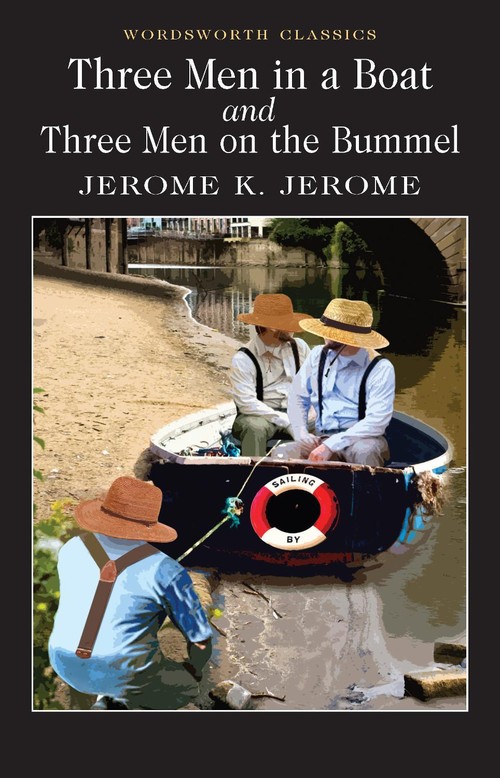 Three Men in a Boat & Three Men on the Bummel
-
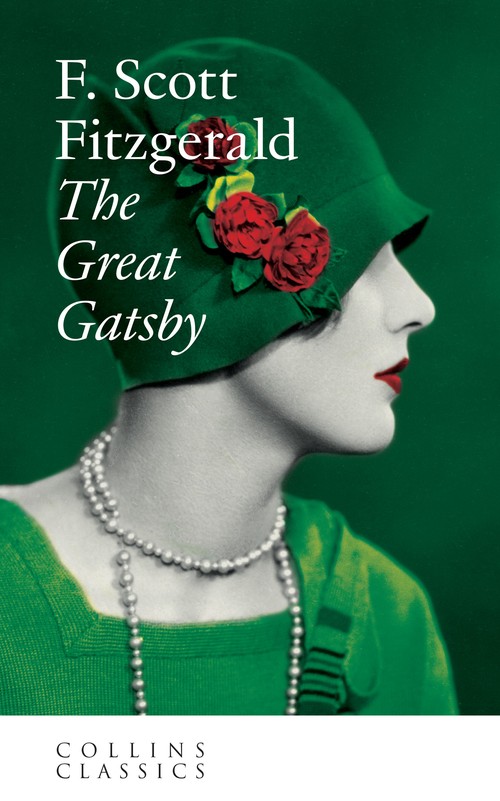 The Great Gatsby
-
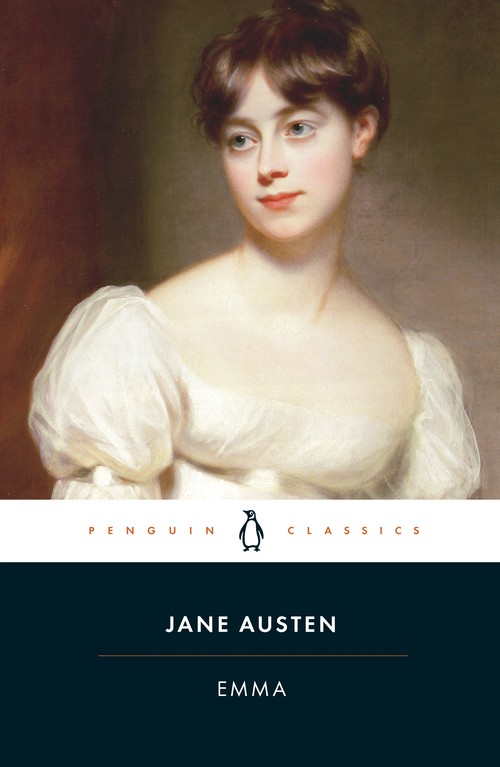 Emma
Emma
-
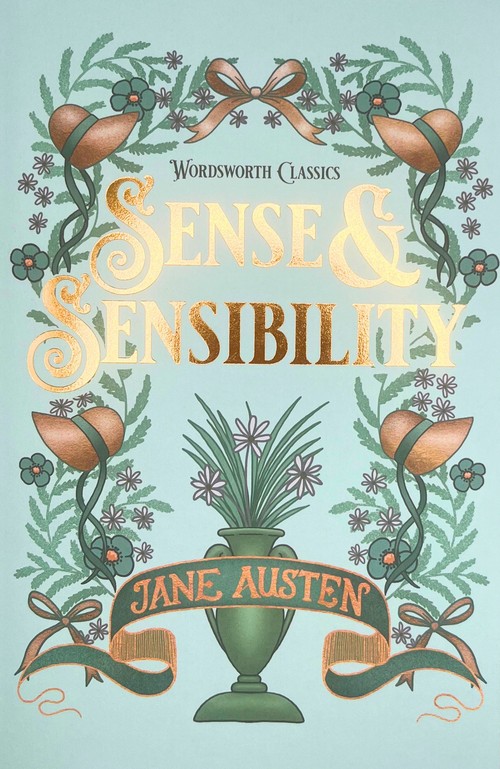 Sense and Sensibility
-
 Lord Arthur Savile's Crime
-
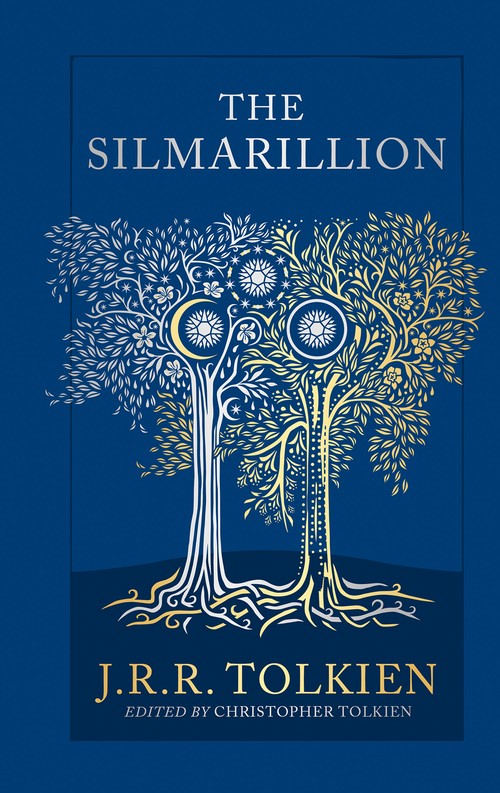 The Silmarillion
-
 Candide, or Optimism
-
 North and South
-
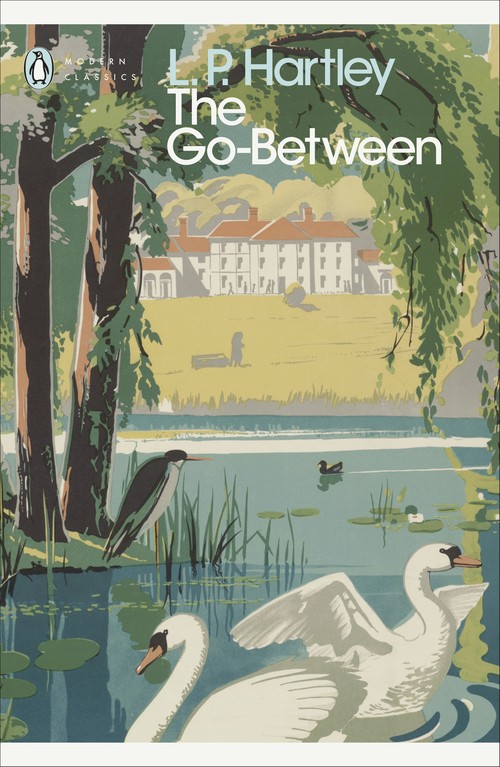 The Go-between
-
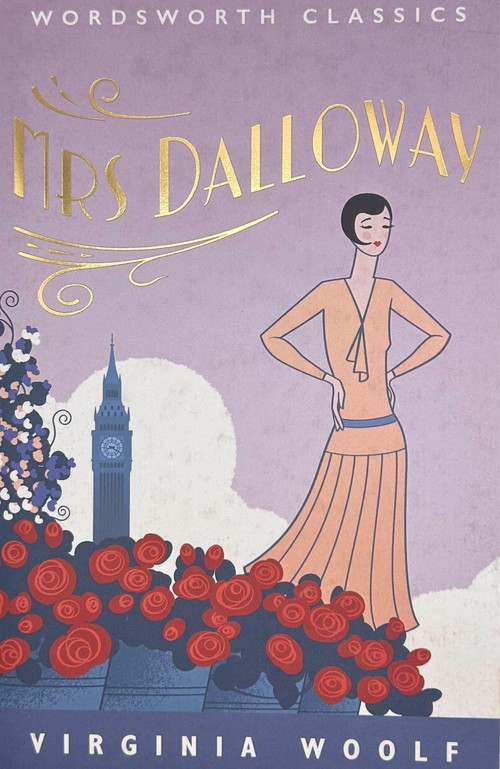 Mrs Dalloway
-
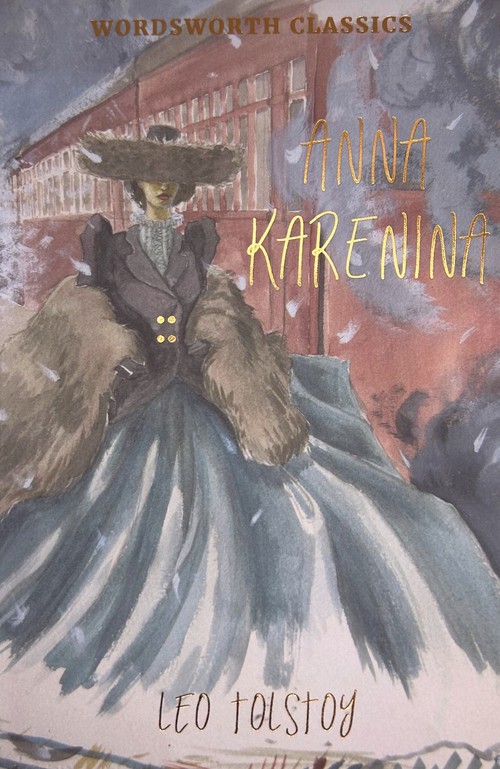 Anna Karenina
-
 The Worlds Favourite