


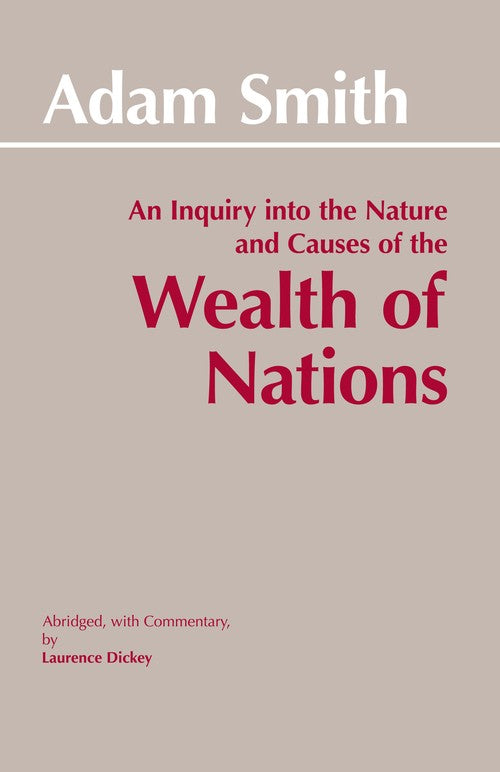
The Wealth of Nations by Adam Smith
Widely credited with laying the theoretical and philosophical foundations for capitalism, this work had an immediate impact on economic thinking, in light of its arguments for the freedom of trade. It presents a powerful blueprint for a stable and peaceful society which rests upon a hard-headed and realistic assessment of humans and their natures.Has all the basic chapters for the illustration of all the various (and contradictory) points anyone might want to make about the textDickey's own texts are invaluable. The introductions to the chapters are essential to make clear to students where they fit in the overall argument of the book. The appendices, though clearly the expression of the author's own views about the text, are admirably objective in the treatment of competing views, and represent an important contribution to Smith scholarship. --J. W. Smit, Columbia University
Adam Smith was born in a small village in Kirkcaldy, Scotland in 1723. He entered the University of Glasgow at age fourteen, and later attended Balliol College at Oxford. After lecturing for a period, he held several teaching positions at Glasgow University. His greatest achievement was writing The Wealth of Nations (1776), a five-book series that sought to expose the true causes of prosperity, and installed him as the father of contemporary economic thought. He died in Edinburgh on July 19, 1790. Laurence Dickey is Professor of History, University of Wisconsin at Madison.
| SKU | Unavailable |
| ISBN 13 | 9780872202047 |
| ISBN 10 | 0872202046 |
| Title | The Wealth of Nations |
| Author | Adam Smith |
| Series | Hackett Classics |
| Condition | Unavailable |
| Binding Type | Paperback |
| Publisher | Hackett Publishing Co, Inc |
| Year published | 1993-11-15 |
| Number of pages | 352 |
| Cover note | Book picture is for illustrative purposes only, actual binding, cover or edition may vary. |
| Note | Unavailable |
Customers who bought this item also bought
-
 Cant We Just Print More Money?
-
 Why Were Getting Poorer
-
 Fifty Things that Made the Modern Economy
-
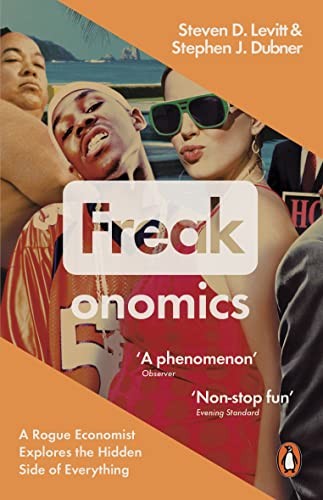 Freakonomics
-
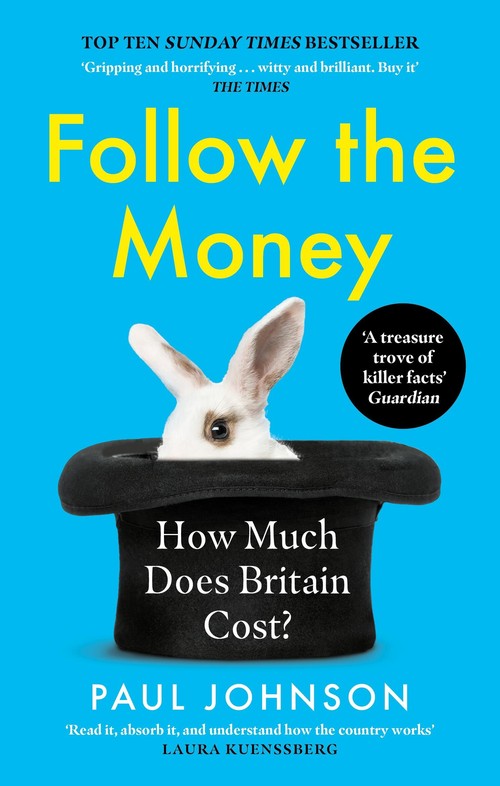 Follow the Money
-
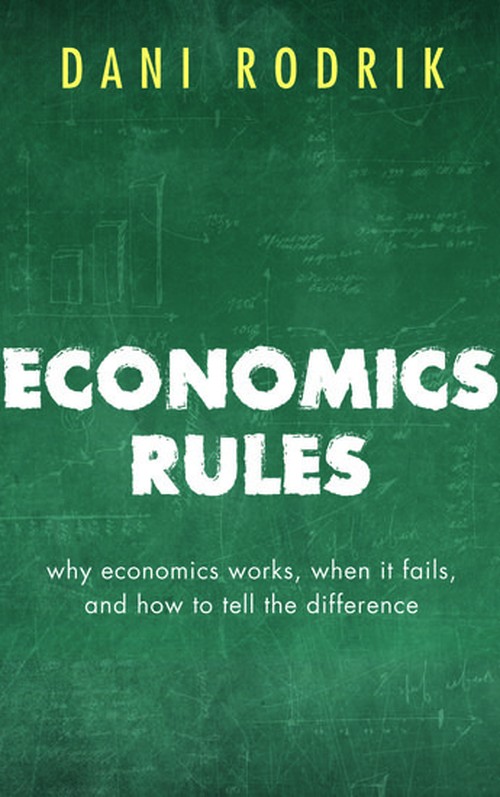 Economics Rules
-
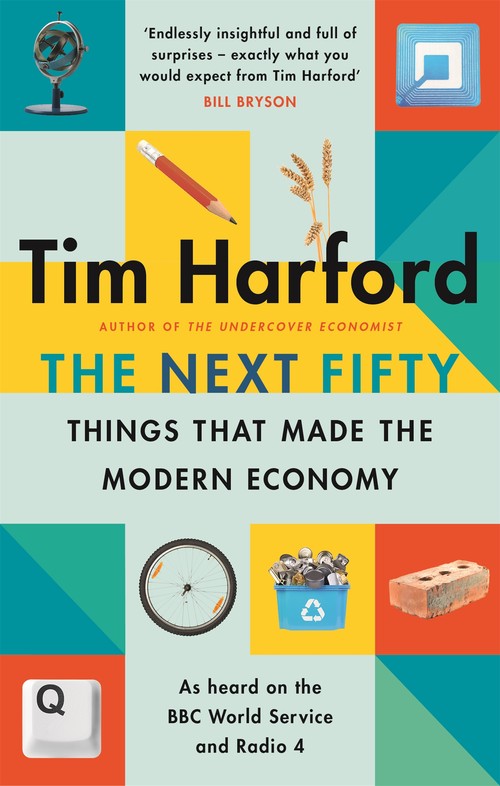 The Next Fifty Things that Made the Modern Economy
-
 Economics: The User's Guide
-
 Predictably Irrational
-
 The Great Economists
-
 Bad Samaritans
-
 Superfreakonomics
-
 Predictably Irrational, Revised and Expanded Edition
-
 The Undercover Economist
-
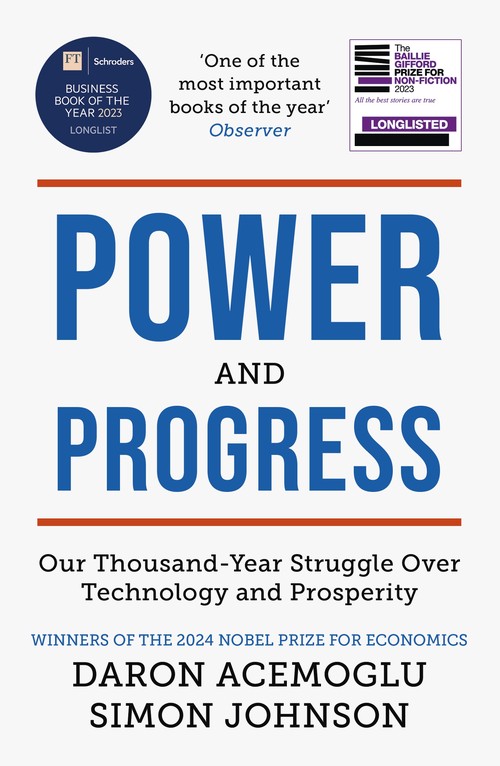 Power and Progress
-
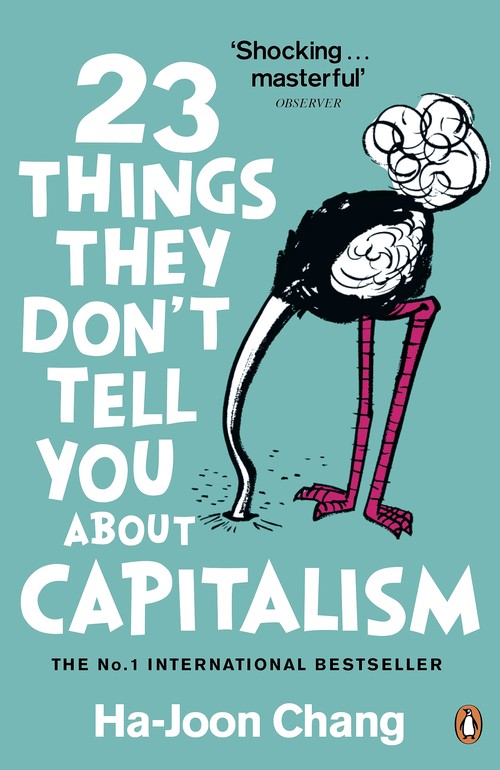 23 Things They Don't Tell You About Capitalism
-
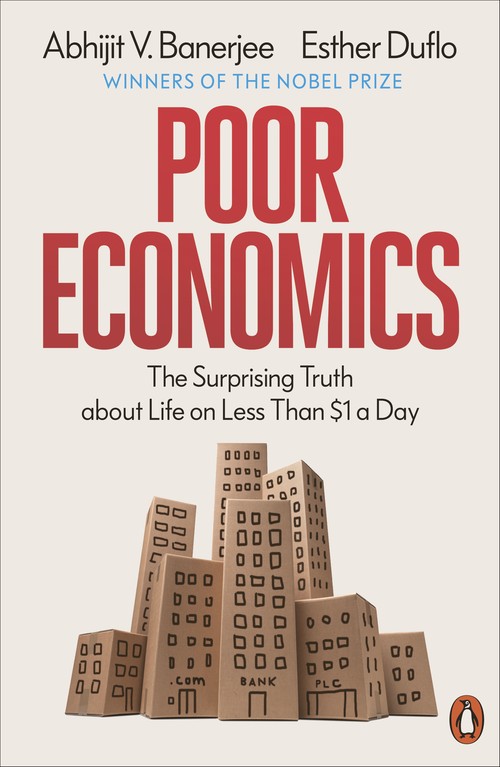 Poor Economics
-
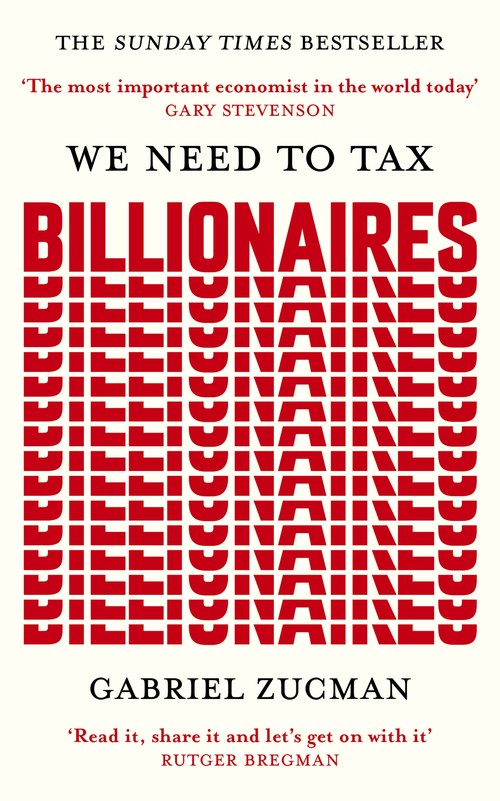 We Need to Tax Billionaires
-
 Material World
-
 Factfulness
-
 Why Nations Fail
-
 Doughnut Economics
-
 A-Level Economics: Year 1 & 2 Complete Revision & Practice (with Online Edition)
-
 Principles for Dealing with the Changing World Order
-
 Cant We Just Print More Money?
-
 Inheritocracy
-
 The Road to Serfdom
-
 Talking to My Daughter
-
 Debt
Debt
-
 Moneyland
-
 How to Make the World Add Up
-
 The Choice Factory
-
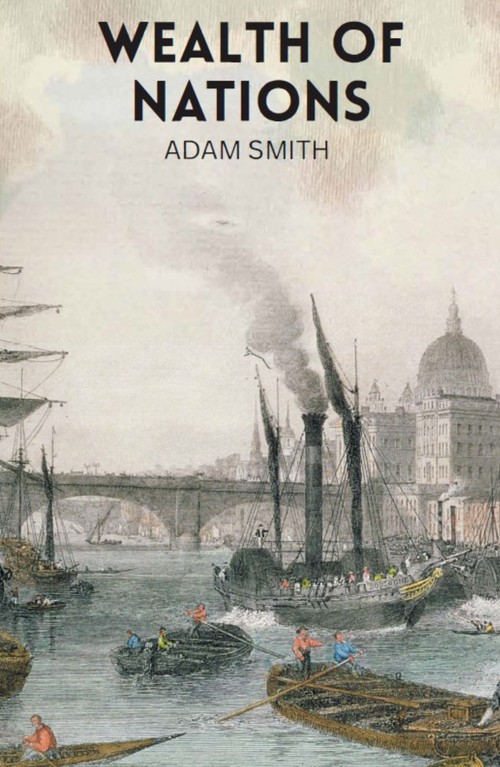 Wealth of Nations
-
 Crashed
-
 The Entrepreneurial State
-
 All You Need To Know About The City
-
 Vulture Capitalism
-
 The New Confessions of an Economic Hit Man
-
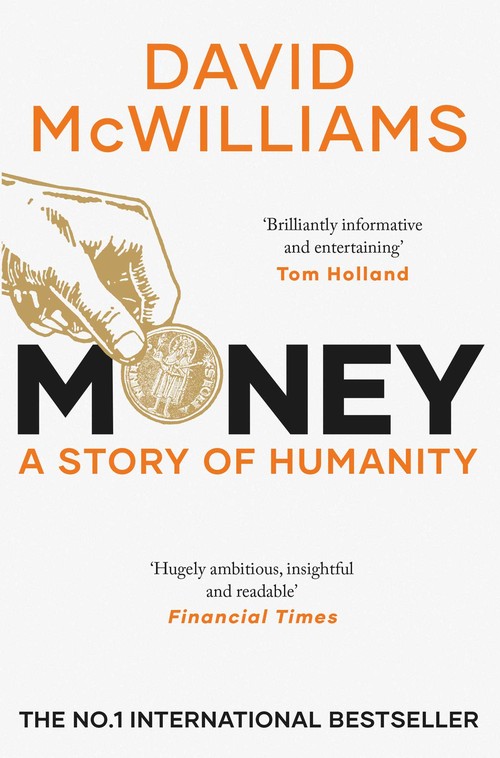 Money
Money
-
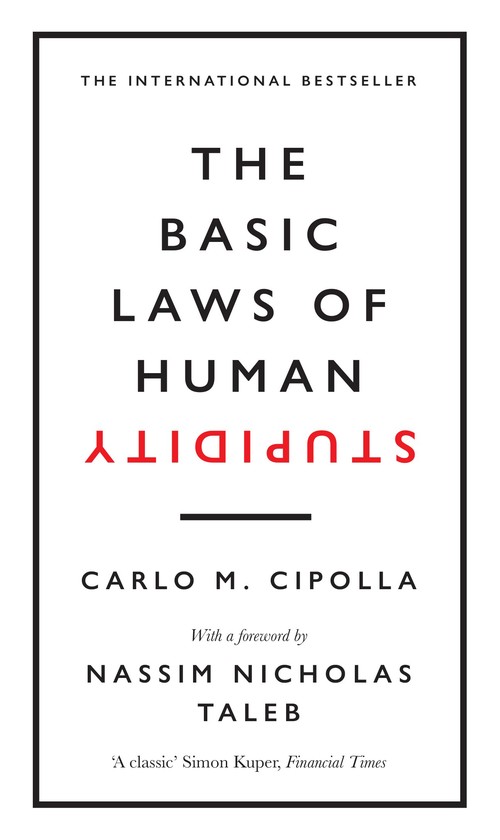 The Basic Laws of Human Stupidity
-
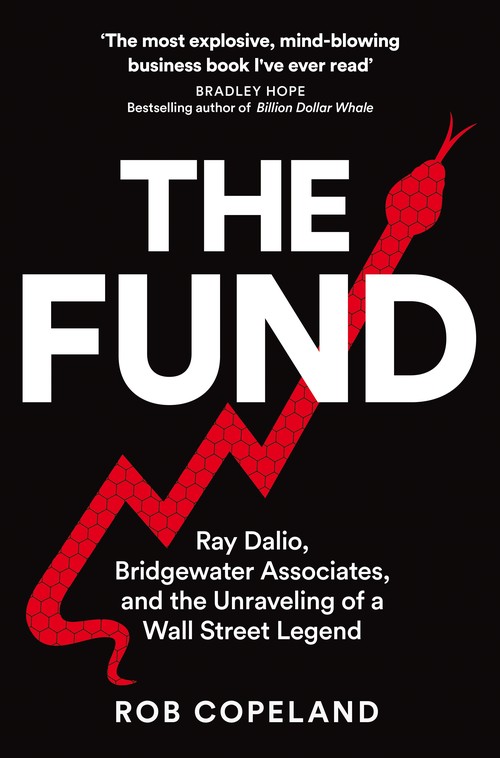 The Fund
-
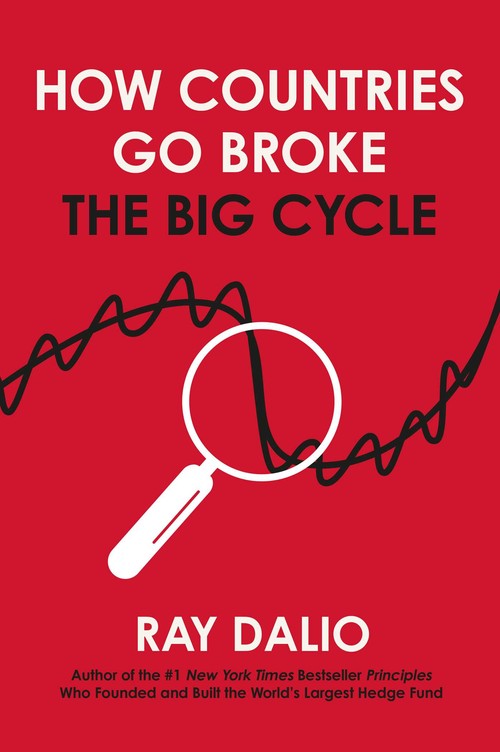 How Countries Go Broke
-
 Too Big to Fail
-
 Can You Run the Economy?
-
 Technological Revolutions and Financial Capital
-
 The Summit
-
 Economics
-
 The Almighty Dollar
-
 How to Win a Trade War
-
 The Little Book of Economics