


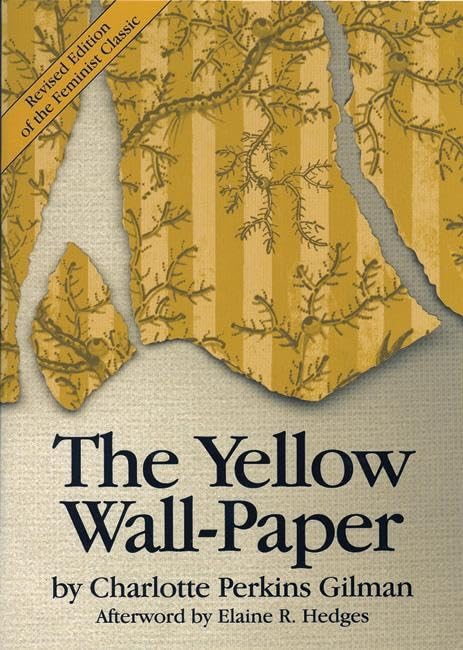
The Yellow Wall-paper by Charlotte Perkins Gilman
First published in 1892, The Yellow Wall-Paper is written as the secret journal of a woman who, failing to relish the joys of marriage and motherhood, is sentenced to a country rest cure. Though she longs to write, her husband and doctor forbid it, prescribing instead complete passivity. Narrated with superb psychological and dramatic precision, this short but powerful masterpiece has the heroine create a reality of her own within the hypnotic pattern of the faded yellow wall-paper of her bedroom--a pattern that comes to symbolize her own imprisonment. This key women's studies text by a pivotal first-wave feminist writer, lecturer, and activist (1860-1935) is reprinted as it first appeared in New England Magazine in 1892, and contains the essential essay on the author's life and work by pioneering Gilman scholar Elaine R. Hedges.
Perkins Gilman, Charlotte: - Who Was Charlotte Perkins Gilman? Charlotte Perkins Gilman was born on July 3, 1860, in Hartford, Connecticut. She published her best-known short story The Yellow Wall-Paper in 1892. One of her greatest works of non-fiction, Women and Economics, was published in 1898. Along with writing books, she established a magazine, The Forerunner, which was published from 1909 to 1916. Gilman committed suicide on August 17, 1935, in Pasadena, California. Early Life Gilman was born on July 3, 1860, in Hartford, Connecticut. Gilman was a writer and social activist during the late 1800s and early 1900s. She had a difficult childhood. Her father, Frederick Beecher Perkins was a relative of well-known and influential Beecher family, including the writer Harriet Beecher Stowe. But he abandoned the family, leaving Charlotte's mother to raise two children on her own. Gilman moved around a lot as a result and her education suffered greatly for it. Marriage and Inspiration Gilman married artist Charles Stetson in 1884. The couple had a daughter named Katherine. Sometime during her decade-long marriage to Stetson, Gilman experienced severe depression and underwent a series of unusual treatments for it. This experience is believed to have inspired her best-known short story The Yellow Wall-Paper (1892). Women's Rights Activism While she is best known for her fiction, Gilman was also a successful lecturer and intellectual. One of her greatest works of nonfiction, Women and Economics, was published in 1898. A feminist, she called for women to gain economic independence, and the work helped cement her standing as a social theorist. It was even used as a textbook at one time. Other important nonfiction works followed, such as The Home: Its Work and Influence (1903) and Does a Man Support His Wife? (1915). Along with writing books, Gilman established The Forerunner, a magazine that allowed her to express her ideas on women's issues and on social reform. It was published from 1909 to 1916 and included essays, opinion pieces, fiction, poetry and excerpts from novels. Death In 1900, Gilman had married for the second time. She wed her cousin George Gilman, and the two stayed together until his death in 1934. The next year she discovered that she had inoperable breast cancer. Gilman committed suicide on August 17, 1935.
| SKU | Unavailable |
| ISBN 13 | 9781558611580 |
| ISBN 10 | 1558611584 |
| Title | The Yellow Wall-paper |
| Author | Charlotte Perkins Gilman |
| Condition | Unavailable |
| Binding Type | Paperback |
| Publisher | Feminist Press at The City University of New York |
| Year published | 1996-10-17 |
| Number of pages | 62 |
| Cover note | Book picture is for illustrative purposes only, actual binding, cover or edition may vary. |
| Note | Unavailable |
Customers who bought this item also bought
-
 The Names
-
 The Wedding People
-
 Its Not What You Think
-
 The Divorce
-
 The Impossible Fortune
-
 The Long Shoe
-
 The Things We Never Say
-
 Atmosphere
-
 The Satsuma Complex
-
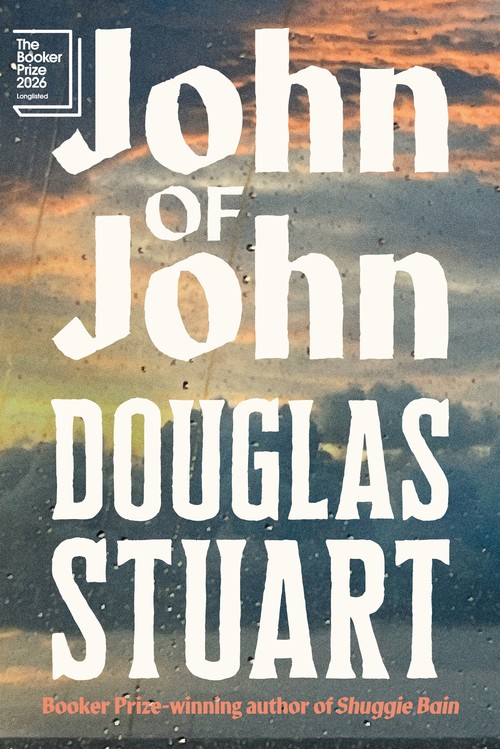 John of John
-
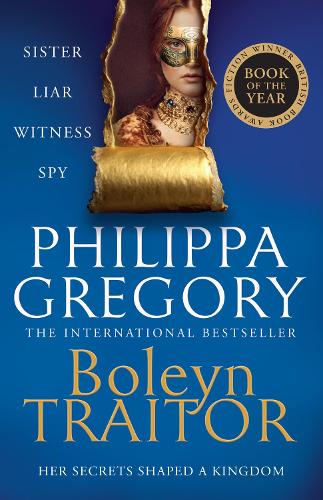 Boleyn Traitor
-
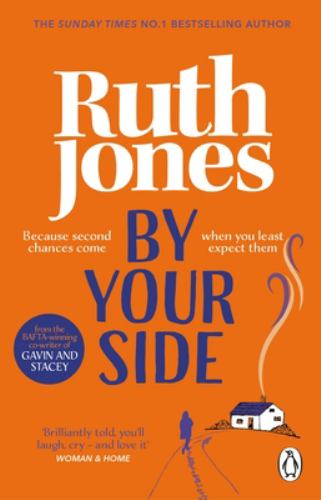 By Your Side
-
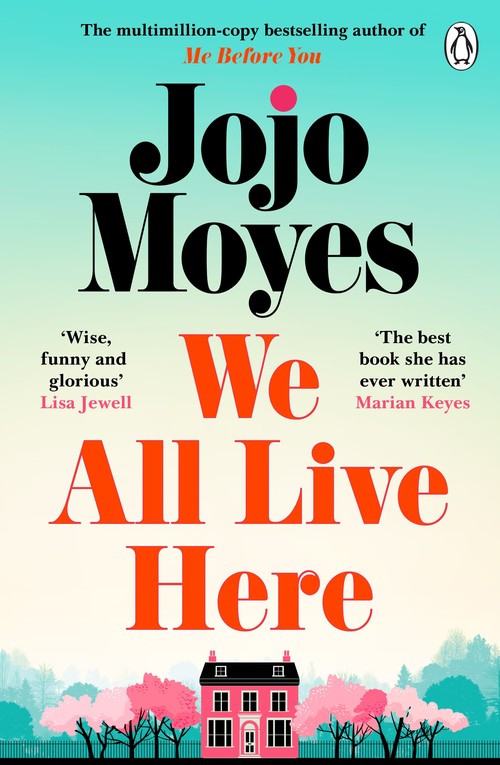 We All Live Here
-
 So, I Met This Guy . . .
-
 Heart the Lover
-
 Wild Dark Shore
-
 The Midnight Train
-
 When the Cranes Fly South
-
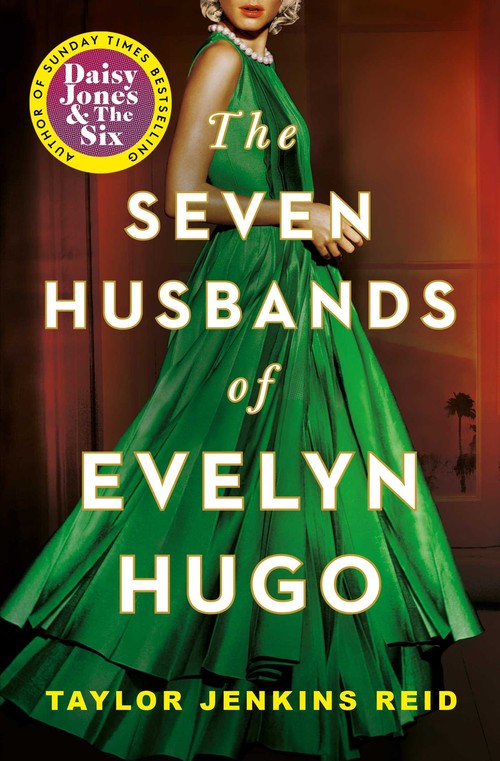 The Seven Husbands of Evelyn Hugo
-
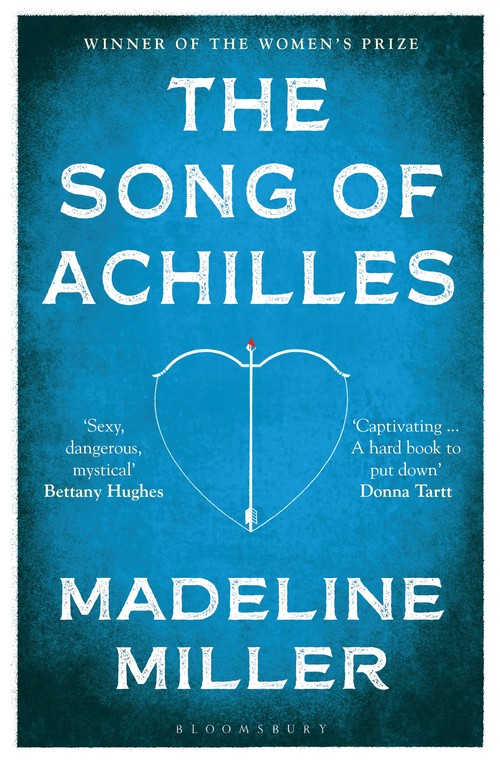 The Song of Achilles
-
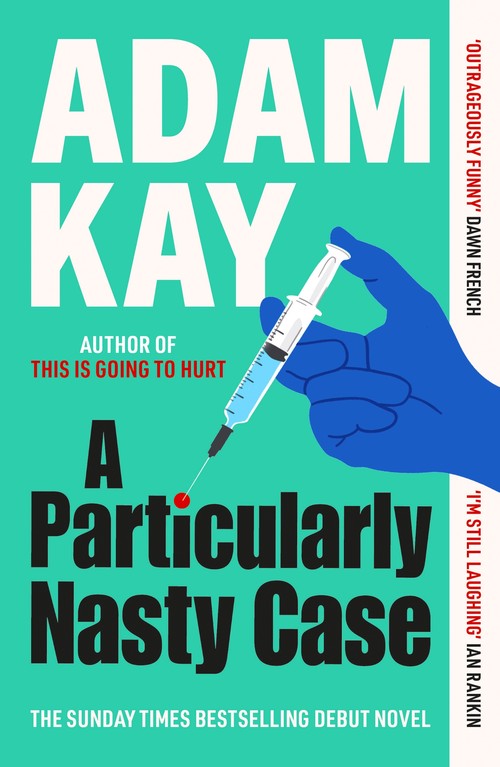 A Particularly Nasty Case
-
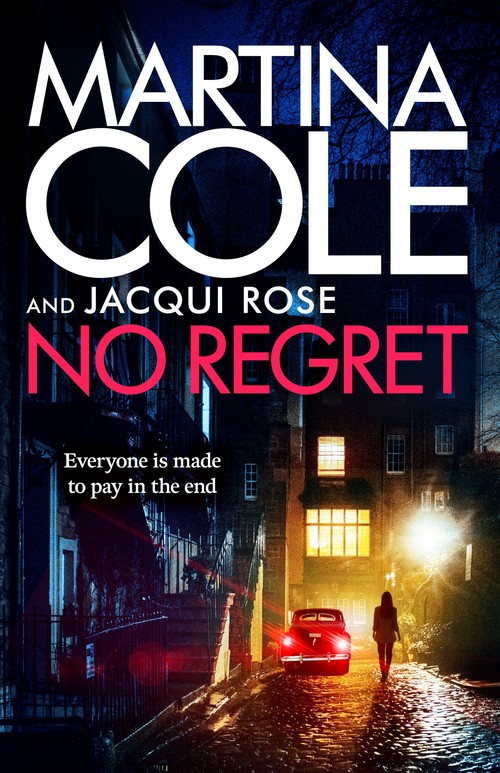 No Regret
-
 There are Rivers in the Sky
-
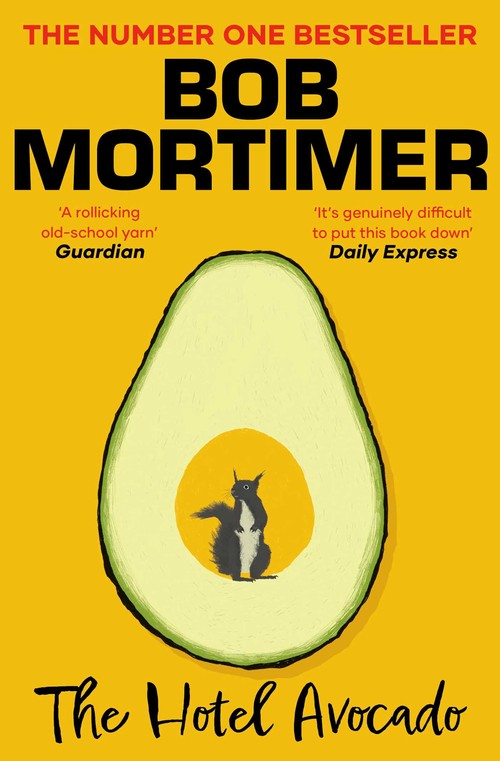 The Hotel Avocado
-
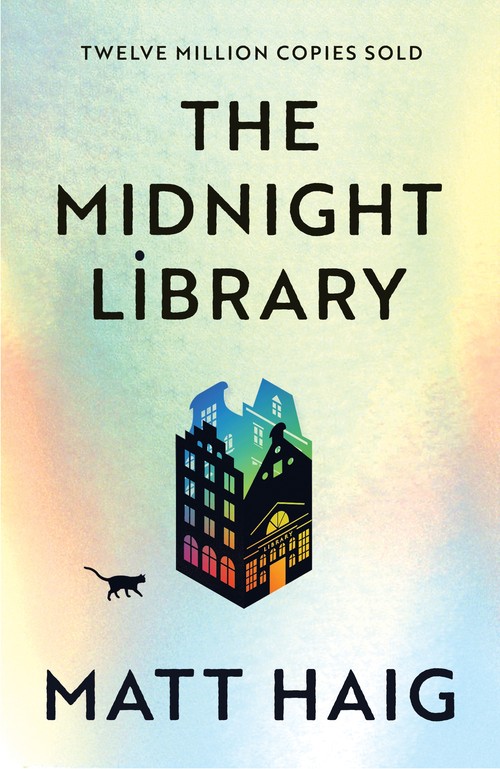 The Midnight Library
-
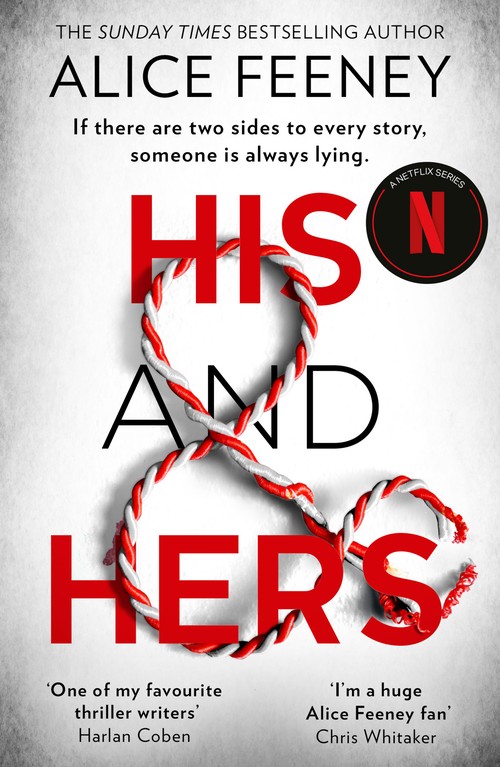 His and Hers
-
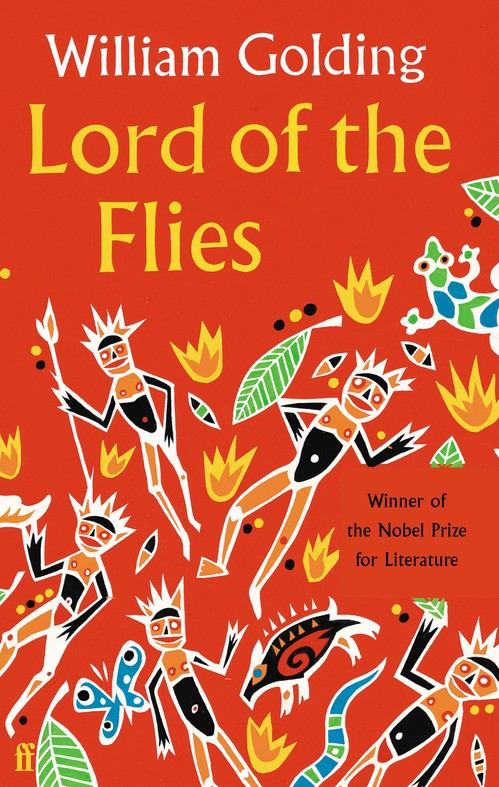 Lord of the Flies
-
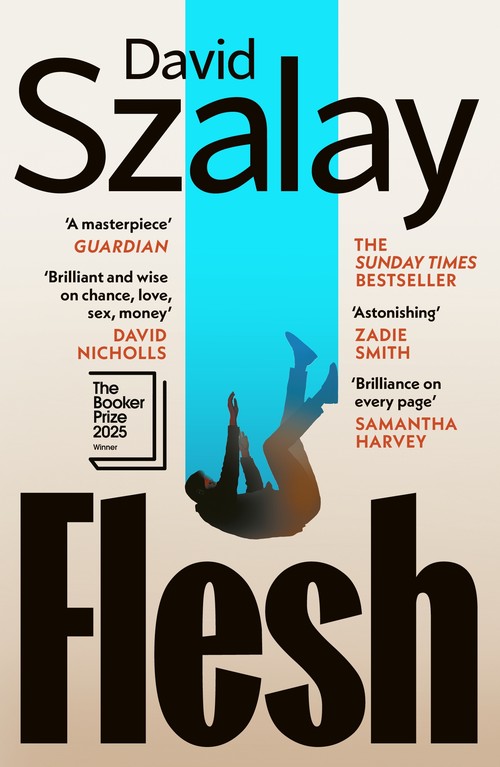 Flesh
Flesh
-
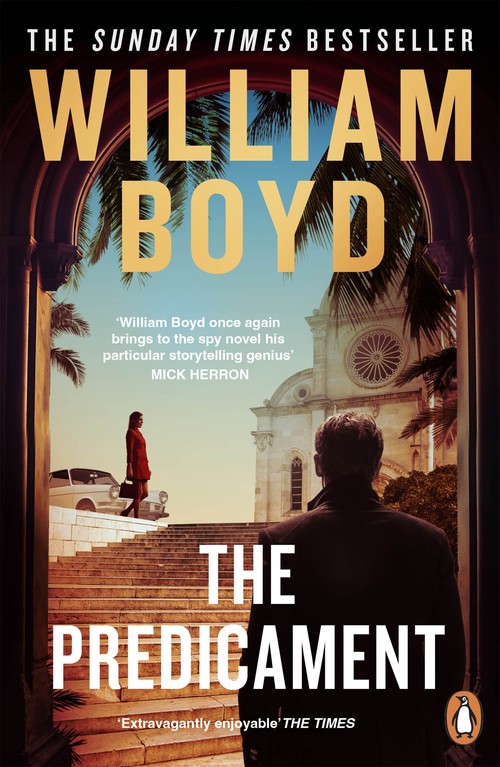 The Predicament
-
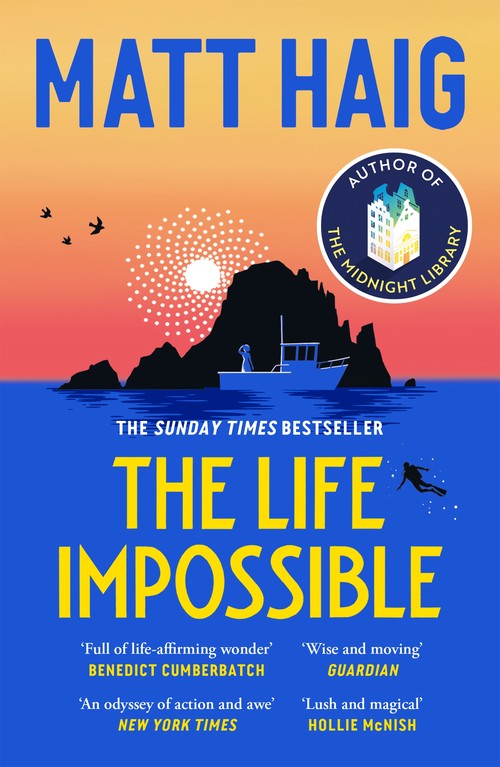 The Life Impossible
-
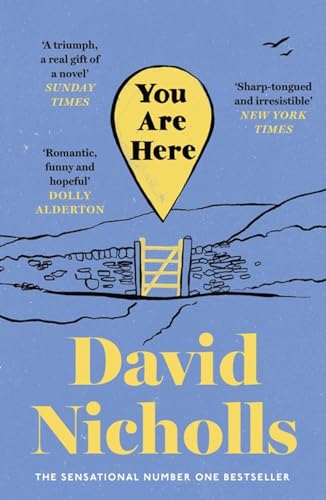 You Are Here
-
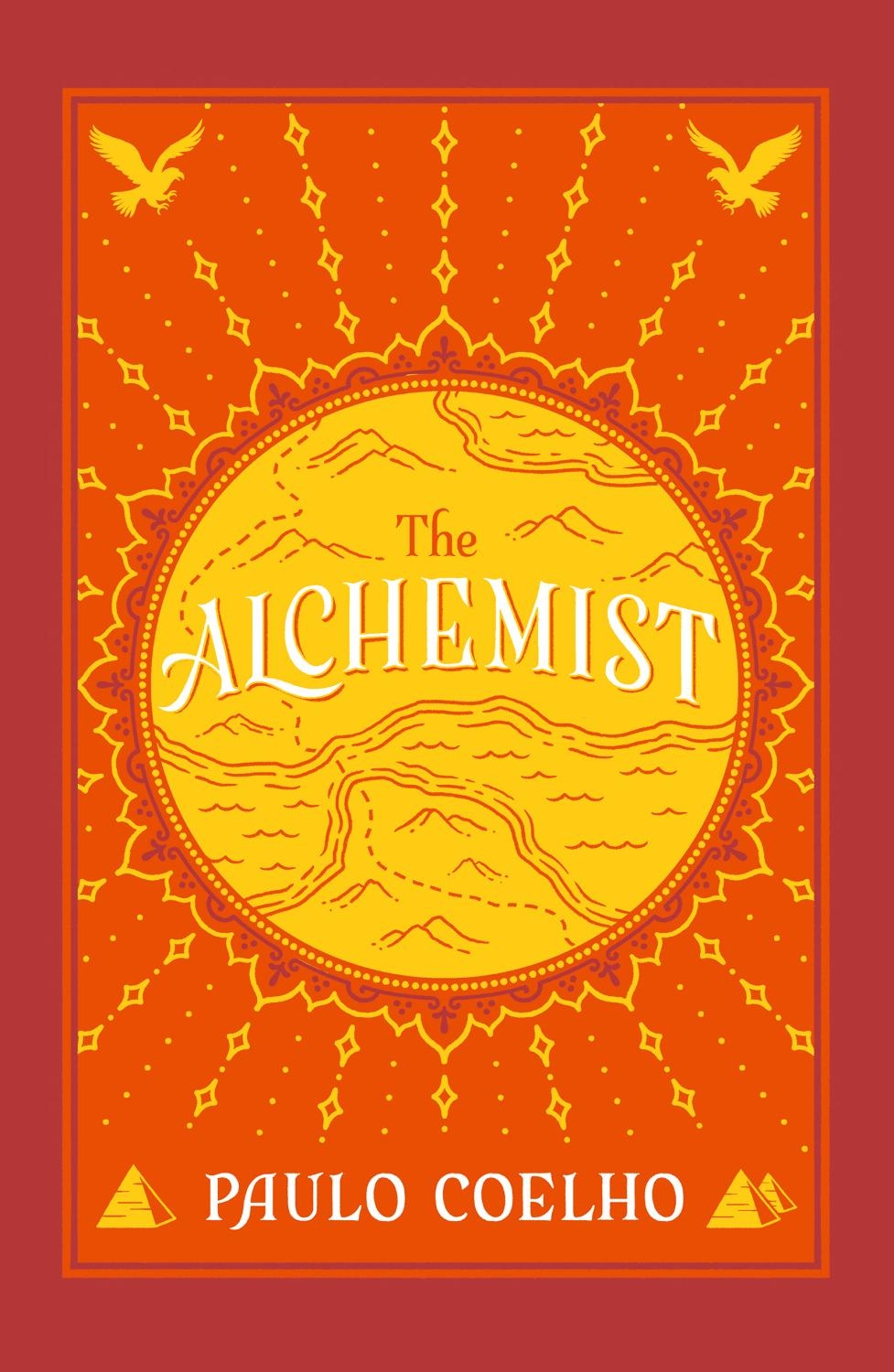 The Alchemist
-
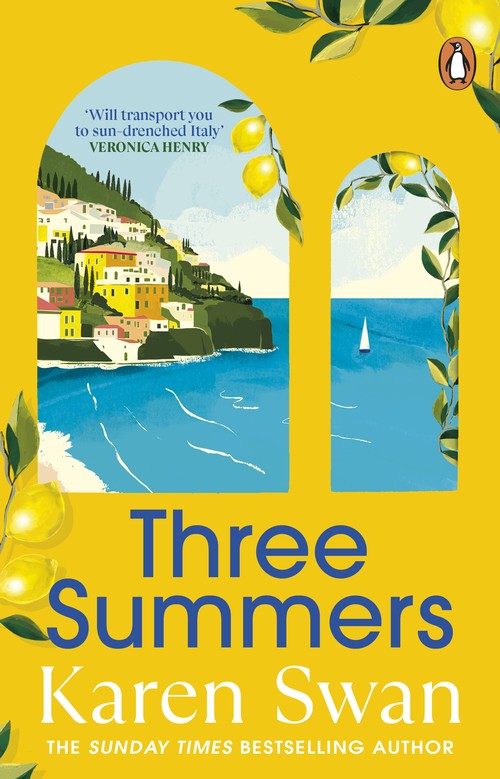 Three Summers
-
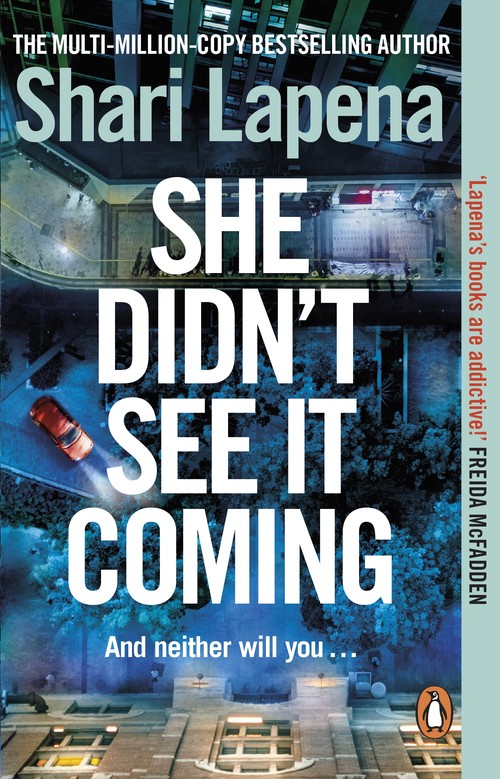 She Didn't See It Coming
-
 Before the Coffee Gets Cold
-
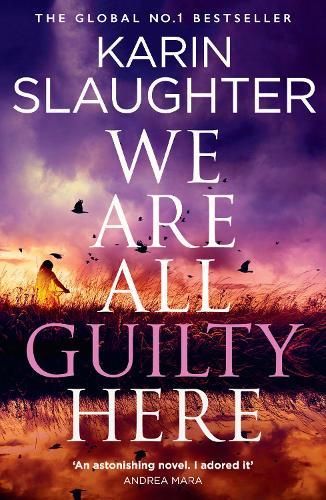 We Are All Guilty Here
-
 It Ends With Us
-
 Getting Away With Murder
-
 Love Untold
-
 I Want You to Be Happy
-
 A Family Matter
-
 A Thousand Splendid Suns
-
 Remarkably Bright Creatures
-
 Paper Heart
-
 I Who Have Never Known Men
-
 Heated Rivalry
-
 The Mixed European Dumpbin/Shrinkwrap Only
-
 The Island of Missing Trees
-
 Glorious Exploits
-
 Butter