Caring for Music by Gary Ansdell
Caring for Music describes musical life in Hill House, a residential care home and the site of the AHRC Care for Music research project (https://careformusic.org/) which ran from 2018–2023.
The book’s primary aim is to let the people and situations involved show readers, from the inside of musical engagement, what can happen when music is present in scenes of care in late life – when people care for music. Watching what happens when music happens can illuminate how people in situations of residential care, whether they are residents, care staff, friends, loved ones or researchers, can enjoy good moments together – meaningful, creative, festive, beautiful, mutually supportive.
At the same time, the book cautions against the tendency of painting a too-rosy picture of music’s powers to ‘fix’ things. It offers an alternate model of music as a medium of connection. The book suggests that much can be gained by rethinking the dominant model within the literature on music and late life, dementia, health. It proposes a perspective in which music is not for ‘people with disabilities’ but instead a medium – of pleasure, meaning, beauty and relationship – that is enacted jointly.


‘The authors’ reflections evoke the experience and specific power of musicking in the care home setting, not least through the exquisite use of languageI believe the book will be invaluable to music therapy students and practitioners (even those with considerable experience) because of the way it delves into what makes music therapy in the context of what makes social care. I would love the book to be read not only by those involved with music therapy but by others working in the ‘caring’ professions, including my own field of speech and language therapy. And I say this as someone steeped in psycholinguistic/cognitive neuropsychological approaches to language difficulties and valuing the contribution these approaches make to our understanding of the ‘inside’ experience of people we work with. Throughout the years of my mother needing care I was always protesting against the assumption that ‘caring’ is something some people (predominantly women) do naturally, when like any field of expertise it requires sophisticated interest, understanding, knowledge and skills, though of a sort that doesn’t fit dominant views of what these entail. The authors illustrate clearly the specific contribution of music, as a form that is part of (almost) everyone’s life and somehow survives the ravages of dementia, but importantly, the specific contribution of the music therapist and how music therapy contributes to creating a family and home (which is certainly what I experienced on the occasions when I was there for a session) and I think the book conveys all this beautifully.’
Dr Shula Chiat, daughter of one of the residents
'This book is unquestionably a must-read for students and music therapists as well as for those working in elder care. It compellingly demonstrates the value of a music-centred approach that remains sensitive to the contextual factors shaping this work. Rooted in creative theory and guided by practical wisdom, it presents a deeply humanistic vision of music therapy.
Beyond its immediate relevance for practitioners, the book also serves as an inspiring introduction to the field itself, offering exemplary detailed insights into how we might engage with music and people in meaningful ways. It will be of great interest to anyone involved in elder care—including family members and policymakers—providing profound knowledge about how to enhance quality of life in the final phase of living.'
Even Ruud, Professor Emeritus, Norwegian Academy of Music and University of Oslo
‘Meticulously and beautifully written, Ansdell and DeNora capture a genuine essence of all that can happen when music is thoughtfully integrated into aging care contexts–not as a means of “fixing” problems but as a relational aesthetic medium that offers myriad possibilities for living well in spite of difficulties often experienced in later life.’
Laurel Young, Ph.D., MTA, Professor of Music Therapy, Concordia University (Montréal, Canada)
Gary Ansdell is an experienced music therapist, trainer, researcher and author. He is currently an Associate of Nordoff and Robbins UK and Honorary Professor at Exeter University. His research centres on the tradition of Nordoff-Robbins music therapy and Community Music Therapy. He lives in Norwich, UK, where he works in a care home as a music therapist and is also a deputy singer in the Norwich cathedral choir. Gary is author/co-author of seven books on music therapy/music and health and joint editor (with Tia DeNora) of the Routledge book series Music and Change.
Tia DeNora is Professor of Sociology at the University of Exeter. Her research is in music sociology, music and wellbeing, science and technology studies, social theory and research methods. She collaborated with Gary Ansdell, Wolfgang Schmid and Fraser Simpson on the Care for Music Project. She has published widely on music and mental health, cultural theory, historical musicology, hope, health technology and research methods. She is a Fellow of the British Academy.
| SKU | Unavailable |
| ISBN 13 | 9781041166566 |
| ISBN 10 | 1041166567 |
| Title | Caring for Music |
| Author | Gary Ansdell |
| Series | Music And Change: Ecological Perspectives |
| Condition | Unavailable |
| Binding Type | Hardback |
| Publisher | Routledge |
| Year published | 2026-07-01 |
| Number of pages | 240 |
| Cover note | Book picture is for illustrative purposes only, actual binding, cover or edition may vary. |
| Note | Unavailable |
Customers who bought this item also bought

Level 1 - Theory Book: Piano Adventures
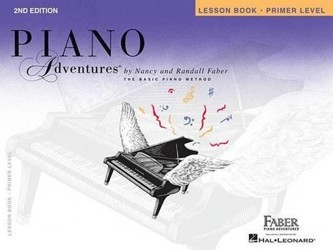
Piano Adventures Lesson Book Primer Level
Piano Adventures Theory Book Primer Level

Piano Adventures Lesson Book 1
Adult Piano Adventures All-In-One Book 1
My First Piano Adventure Lesson Book C
First 50 Songs
Essential Elements 2000 for Strings - Book 2

Piano Adventures Lesson Book Level 2A

Bastien Piano Basics: Technic Level 1

Rubank Elementary Method - Saxophone
Piano Adventures Lesson Book Level 2B
Piano Adventures Lesson Book Level 5
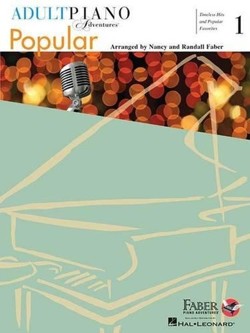
Adult Piano Adventures Popular Book 1
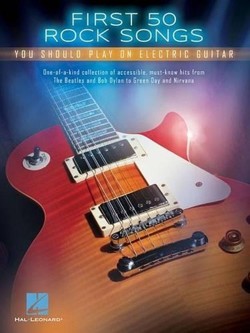
First 50 Rock Songs

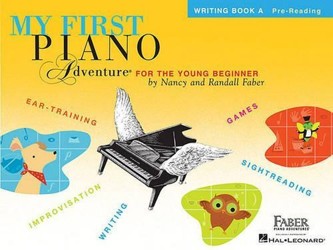
My First Piano Adventure Writing Book A
Alfred's Basic Piano Library Prep Course
Hal Leonard Guitar Method

Bastien Piano Basics: Technic Level 2
Guitar Aerobics
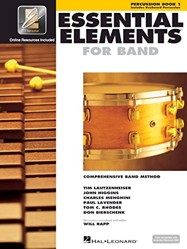
Hal Leonard 17120 Essential Elements 2000 Plus Percussion Book 1 with CD-ROM

Piano Adventures Performance Book Level 2A