The Consolation of Philosophy by Boethius
Boethius composed the De Consolatione Philosophiae in the sixth century AD whilst awaiting death under torture, condemned on a charge of treason which he protested was manifestly unjust. Though a convinced Christian, in detailing the true end of life which is the soul's knowledge of God, he consoled himself not with Christian precepts but with the tenets of Greek philosophy. This work dominated the intellectual world of the Middle Ages; writers as diverse as Thomas Aquinas, Jean de Meun, and Dante were inspired by it. In England it was rendered in to Old English by Alfred the Great, into Middle English by Geoffrey Chaucer, and later Queen Elizabeth I made her own translation. The circumstances of composition, the heroic demeanour of the author, and the 'Menippean' texture of part prose, part verse have combined to exercise a fascination over students of philosophy and literature ever since.You might also like
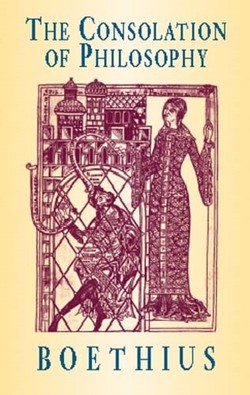
The Consolation of Philosophy
Loading...
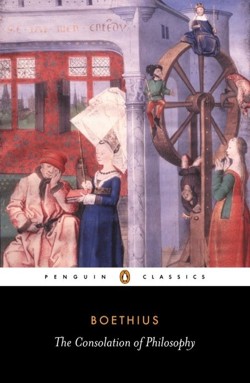
The Consolation of Philosophy
Loading...
The Consolation of Philosophy
Loading...

The Philosophy Book
Loading...

A History of Western Philosophy
Loading...
Derrida and Difference
Loading...

Pragmatism
Loading...

The Heart of William James
Loading...

The Meaning of Truth (Concise Edition)
Loading...
Ethics Across the Professions
Loading...

Questions That Matter+ Pweb (Philosophy)
Loading...

The Conquest of Happiness
Loading...

The 44 Laws of Peace
Loading...
The Varieties of Religious Experience
Loading...

Essays in Pragmatism
Loading...
The Daily Stoic
Loading...
-
 The Qur'an
-
 A Christmas Carol and Other Christmas Books
-
 The Mabinogion
-
 Great Expectations
-
 Paradise Lost
-
 The Picture of Dorian Gray
-
 A Midsummer Night's Dream: The Oxford Shakespeare
-
 Selected Stories
-
 Four Major Plays
-
 Twelfth Night, or What You Will: The Oxford Shakespeare
-
 The Castle of Otranto
-
 Mrs Dalloway
-
 Persuasion
-
 The Library of Greek Mythology
-
 Hamlet: The Oxford Shakespeare
-
 Pamela
-
 The Confessions
-
 Far from the Madding Crowd
-
 Strange Case of Dr Jekyll and Mr Hyde and Other Tales
-
 The Odyssey
-
 On the Origin of Species
-
 The Private Memoirs and Confessions of a Justified Sinner
-
 The Turn of the Screw and Other Stories
-
 The Monk
-
 The Divine Comedy
-
 Little Women
-
 Jane Eyre
-
 Doctor Faustus and Other Plays
-
 The Custom of the Country
-
 Metamorphoses
-
 Gulliver's Travels
-
 Evelina
-
 The Ragged Trousered Philanthropists
-
 Othello: The Oxford Shakespeare
-
 The Mysteries of Udolpho
-
 Revelations of Divine Love
-
 The Bible: Authorized King James Version
-
 To the Lighthouse
-
 Heart of Darkness and Other Tales
-
 Robinson Crusoe
-
 Frankenstein
-
 Middlemarch
-
 Ulysses
-
 Theogony and Works and Days
-
 Five Plays
-
 The Awakening
-
 Pride and Prejudice
-
 My Antonia


Probably the best history and, indeed philosophy book of all time * Bettany Hughes The Times *
An aristocratic scholar and philosopher and one of the most influential members of the court of the Ostrogoth ruler Theodoric, Boethius (born c. 480 AD) was arrested for alleged treason (which he denied). During his confinement in northern Italy, he wrote his masterpiece, The Consolation of Philosophy, a work in which he considers universal issues. Executed in about 526 AD. James Harpur was born in 1956 of Anglo-Irish parentage. He read Classics and then English Literature at Trinity College, Cambridge. He is now a freelance writer living in Ireland, with three previous collections of poetry from Anvil. Author of Love Burning in the Soul: The Story of the Christian Mystics, from Saint Paul to Thomas Merton (Shambhala, 2005).
| SKU | Unavailable |
| ISBN 13 | 9780199540549 |
| ISBN 10 | 0199540543 |
| Title | The Consolation of Philosophy |
| Author | Boethius |
| Series | Oxford World's Classics |
| Condition | Unavailable |
| Binding Type | Paperback |
| Publisher | Oxford University Press |
| Year published | 2008-07-10 |
| Number of pages | 240 |
| Cover note | Book picture is for illustrative purposes only, actual binding, cover or edition may vary. |
| Note | Unavailable |
Customers who bought this item also bought
The Daily Stoic
Loading...

Meditations
Loading...




Discourses and Selected Writings
Loading...

How to Know a Person
Loading...


Tao Te Ching
Loading...

The Good Life Method
Loading...

The Abolition of Man
Loading...


The Consolation of Philosophy
Loading...
City of God
Loading...

The Republic of Plato
Loading...

Beyond Good and Evil
Loading...


Leviathan
Loading...


Why Buddhism Is True
Loading...