


The Craft of Scientific Writing by Michael Alley
We are all apprentices 01 a craft where no one ever becomes a master. -Emest Hemingway In October 1984, the weak writing in a scientific report made national news. The report, which outlined safety procedures during a nuclear attack, advised industrial workers to don heavy clothes and immerse themselves in a large body of water. The logic behind this advice was sound: Water is a good absorber of heat, neutrons, and gamma rays. Unfortunately, the way the advice was worded was unclear. Was everyone supposed to be com- up for air? Be- pletely submerged? Was it safe to come sides being unclear, the writing conveyed the wrong im- pression to the public. The report came across as saying go jump in a lake-not the impression you want to give someone spending thousands of dollars to fund your re- search. Chances are that Dan Rather will not quote sentences from your documents on national television, no matter how weak the writing iso Still, your writing is important. On a personal level, your writing is the principal way in which people learn about your work. When you commu- nicate weIl, you receive credit for that work. When you do not communicate weIl or are too slow to communi- cate, the credit often go es to someone else. On a larger level, your writing and the writing of other scientists and vii viii Foreword engineers influenees publie poliey about scienee and en- gineering.
“Alley gives thorough explanations and color-coded examples about what constitutes a problem and how to fix it, and visual indicators help readers discern the severity of issues being critical, distracting, or cosmeticThe Craft of Scientific Writing is a book that can be valuable to practicing writers who want to work toward more effective, clear scientific writing for a variety of audiences.” (Diane Martinez, Technical Communication, Vol. 65 (4), November, 2018)
“The author discusses the many challenges and distinctions in scientific writing, and the effects that good or bad writing can have on one’s career. … Using real-world writing examples and a host of graphics and figures, the author effectively demonstrates what works, what doesn’t, and why. … This easy-to-digest guide will be useful for engineers, scientists, and anyone interested in writing for a science-minded audience, or about science-related topics.” (S. Markgren, Choice, Vol. 56 (03), November, 2018)
“The author discusses the many challenges and distinctions in scientific writing, and the effects that good or bad writing can have on one’s career. … Using real-world writing examples and a host of graphics and figures, the author effectively demonstrates what works, what doesn’t, and why. … This easy-to-digest guide will be useful for engineers, scientists, and anyone interested in writing for a science-minded audience, or about science-related topics.” (S. Markgren, Choice, Vol. 56 (03), November, 2018)
Michael Alley, an associate professor of Engineering Communication at Pennsylvania State University, holds a master's degree in electrical engineering and a master's degree in fine arts in writing. The Art of Scientific Presentations (2013), The Craft of Editing (2000), and The Craft of Scientific Writing (2017) are his three best-selling textbooks. On four continents, in sixteen countries, and for more than 150 corporations, colleges, organizations, and agencies, he has taught scientific writing and presentations to engineers and scientists.
| SKU | Unavailable |
| ISBN 13 | 9781441982872 |
| ISBN 10 | 1441982876 |
| Title | The Craft of Scientific Writing |
| Author | Michael Alley |
| Condition | Unavailable |
| Binding Type | Paperback |
| Publisher | Springer-Verlag New York Inc. |
| Year published | 2018-04-06 |
| Number of pages | 298 |
| Cover note | Book picture is for illustrative purposes only, actual binding, cover or edition may vary. |
| Note | Unavailable |
Customers who bought this item also bought
-
 Breath
-
![Sapiens [Tenth Anniversary Edition]](https://image-server.worldofbooks.com/images/9780063422001.jpg) Sapiens [Tenth Anniversary Edition]
Sapiens [Tenth Anniversary Edition]
-
 Behave
-
 The Grieving Brain
-
 Breath
-
 Biology Today and Tomorrow with Physiology
-
 The Biology of Belief 10th Anniversary Edition
-
 Entangled Life
-
 The Sibley Guide to Birds, Second Edition
-
![Sapiens [Tenth Anniversary Edition]](https://image-server.worldofbooks.com/images/9780063422018.jpg) Sapiens [Tenth Anniversary Edition]
Sapiens [Tenth Anniversary Edition]
-
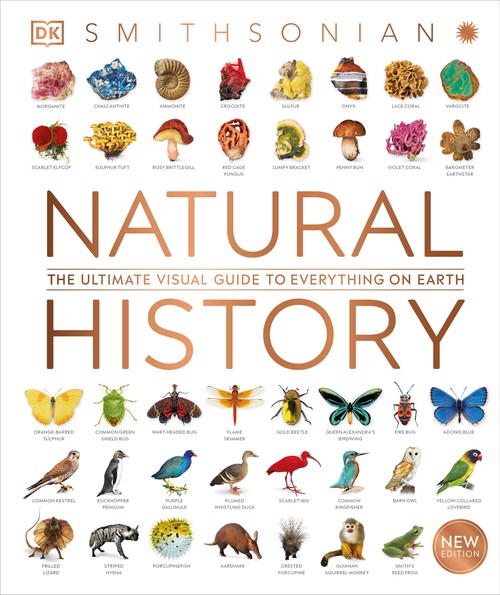 Natural History
-
 Your Brain on Art
-
 Eve
Eve
-
 The Story of the Human Body
-
 The Psychopath Inside
-
 Bringing Nature Home
-
 Botany in a Day
-
 Replaceable You
-
 Your Inner Fish
-
 The Brain's Way of Healing
-
 The Invention of Nature
-
 Biology
-
 Campbell Biology Vol 1 & 2
-
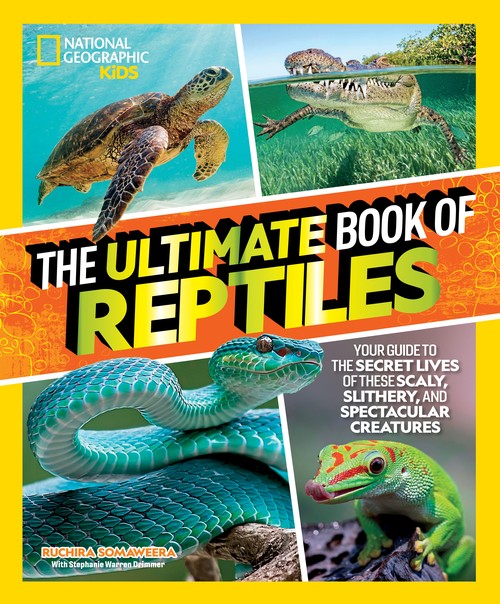 The Ultimate Book of Reptiles
-
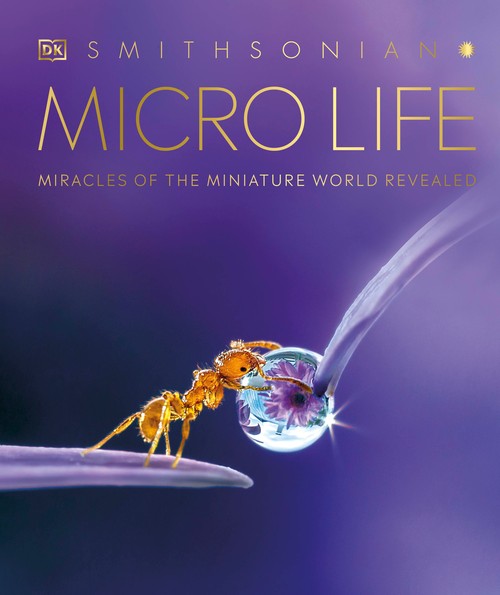 Micro Life
-
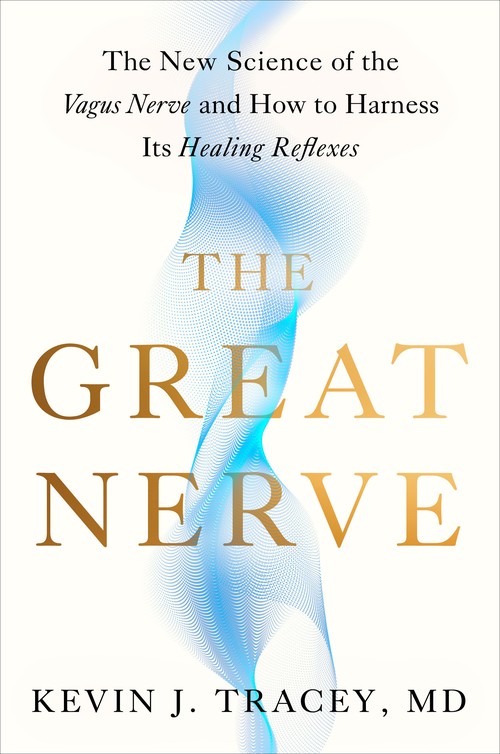 The Great Nerve
-
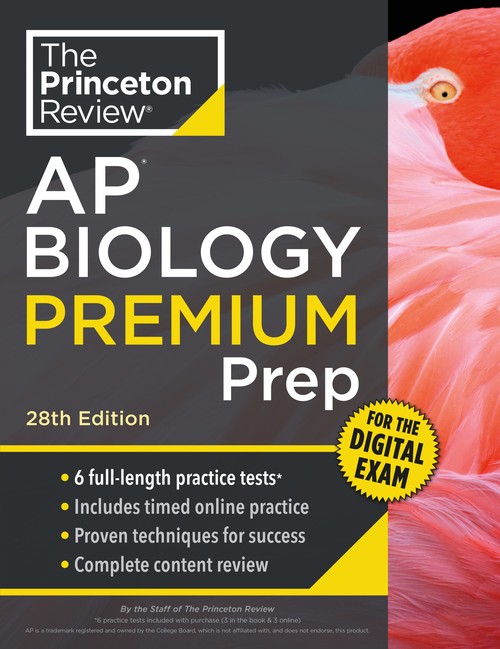 Princeton Review AP Biology Premium Prep, 28th Edition
-
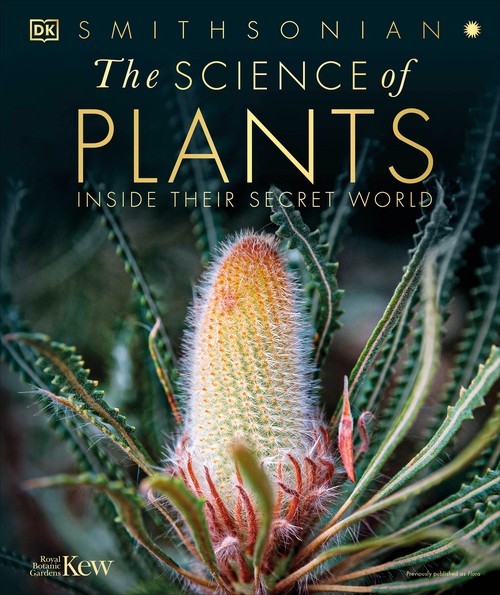 The Science of Plants
-
 Beyond Inheritance
-
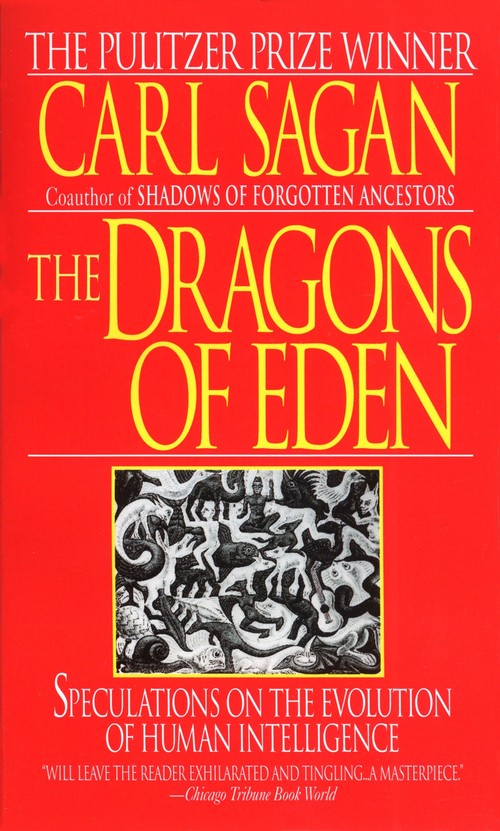 Dragons of Eden
-
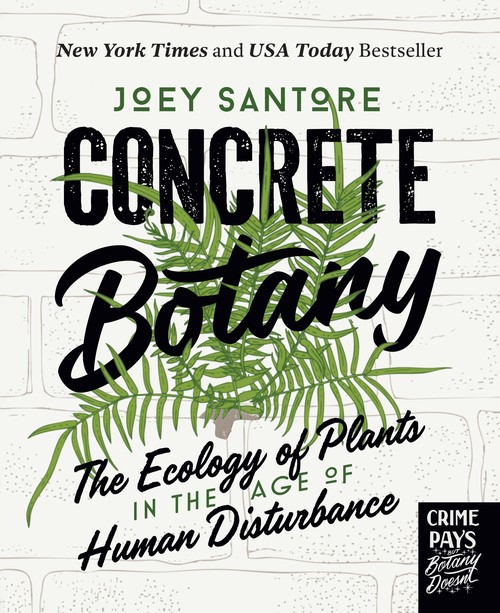 Concrete Botany
-
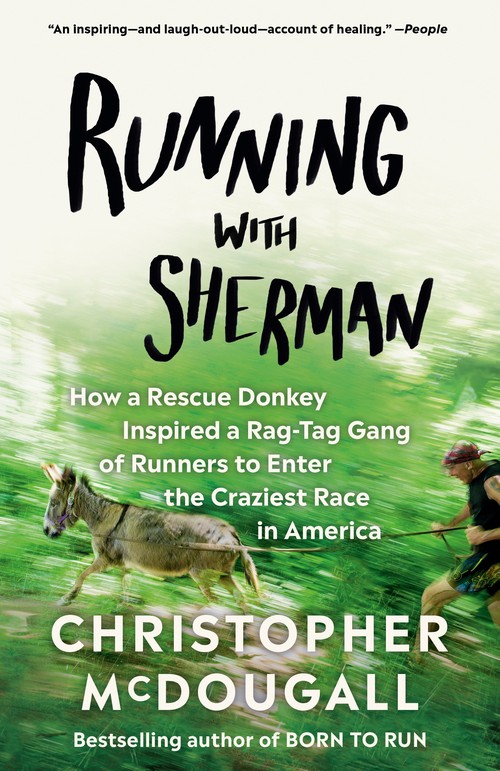 Running with Sherman
-
 Homo Deus
-
 The Male Brain
-
 The Book of Beautiful Questions
-
 An Immense World
-
 The Body
-
 Return of the God Hypothesis
-
 Do Plants Know Math?
-
 The Genius of Birds
-
 The The Perfect Predator
-
 A Field Guide to Edible Wild Plants
-
 Microbiology For Dummies
-
 The Hour Between Dog and Wolf
-
 The Extended Mind
-
 Homo Deus
-
 The Human Body Book
-
 Dragonflies of North America
-
 Healthy Brain, Happy Life
-
 Fireflies in the Night