


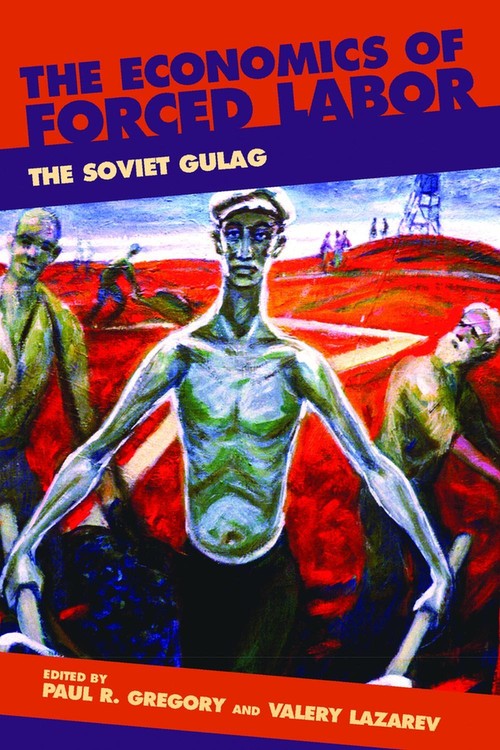
The Economics of Forced Labor by Paul R Gregory
The authors provide both broad overviews and specific case studies as they examine The various forms of coercion and the channels through which coerced labor was distributed under Stalinism's heyday, from the late 1930s to the early 1950s
Why the Gulag emerged and its perceived economic rationale
The chronology of the Gulag from the first major projects such as the White Sea Baltic Canal to the unfinished plans of the 1950s
The day-to-day costs of maintaining the Gulag and the great hidden cost of coercion the loss of productivity
How the Soviet leadership desperately sought to find the right balance between extreme coercion and extreme material incentives for the labor force and how material incentives played an increasingly greater role in later years
How Stalin's death provided the excuse for radical reform and the end of the Gulag
Seen together, these contributions present an extraordinary portrait of a major aspect of the Soviet approach to economic achievement whose results should provide an invaluable lesson to future generations.
| SKU | Unavailable |
| ISBN 13 | 9780817939427 |
| ISBN 10 | 0817939423 |
| Title | The Economics of Forced Labor |
| Author | Paul R Gregory |
| Condition | Unavailable |
| Binding Type | Paperback |
| Publisher | Hoover Institution Press,U.S. |
| Year published | 2003-10-30 |
| Number of pages | 212 |
| Cover note | Book picture is for illustrative purposes only, actual binding, cover or edition may vary. |
| Note | Unavailable |