
How to Cure the Plague and Other Curious Remedies


Summary
The feel-good place to buy books
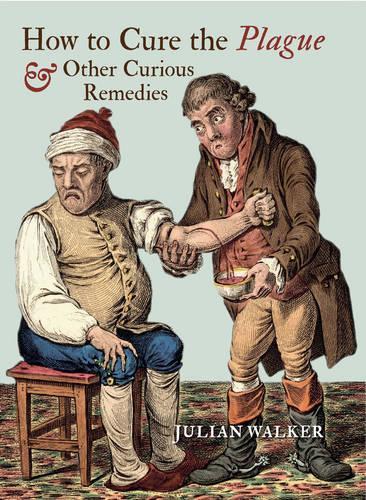
How to Cure the Plague and Other Curious Remedies by Julian Walker
Today we are used to reaching for a painkiller when we get a headache, we take anaesthetics and antibiotics for granted, and we would not dream of making our own medicines. But until a century ago that was far from the case, and people had to seek their own remedies or depend on far-from-reliable doctors and apothecaries for everything from an ingrown toenail to amputation. How to Cure the Plague presents a stark reminder of the days when remedies were based on guesswork or superstition, and people swallowed bizarre or revolting mixtures; yet it was not all 'toads and brandy' - many herb-based treatments formed the basis of modern medicines. This new book presents a fascinating illustrated compilation of some of the most curious and disturbing cures from history, from the Middle Ages to the nineteenth century. Examples: Eighteenth-century treatment for asthma: Live a fortnight on boiled carrots only. It seldom fails. An Anglo-Saxon treatment for warts: For warts take hound's urine and mouse's blood, mixed together, anoint the warts with it, they will soon go away. How to stop hiccups in 1607: Take thy finger ends, and stop both thine ears very hard, and the hiccup will cease immediately. A Tudor remedy for bedwetting: A mouse rotted and given to children to eat remedieth pissing the bed. Eighteenth-century first aid: Take ripe puff-balls. Break them warily and save the powder. Strew this on the wound and bind it on. This will absolutely stop the bleeding of an amputated limb without any caute
Julian Walker is an artist and writer, and leads workshops at the British Library on literature, art, history, printing and the English language. His research-based art practice uses a wide range of media to explore taxonomy, collections and cultural history.
| SKU | Unavailable |
| ISBN 13 | 9780712357012 |
| ISBN 10 | 0712357017 |
| Title | How to Cure the Plague and Other Curious Remedies |
| Author | Julian Walker |
| Condition | Unavailable |
| Binding Type | Hardback |
| Publisher | British Library Publishing |
| Year published | 2013-09-11 |
| Number of pages | 144 |
| Cover note | Book picture is for illustrative purposes only, actual binding, cover or edition may vary. |
| Note | Unavailable |