


Imperium by Francis Parker Yockey
This is Yockey's famous masterpiece. It is inspired by Oswald Spengler's Decline of the West. Imperium advocates the creation of a pan-European empire governed by sound principles or 'absolute politics'. It is divided into five parts, which are concerned with History, Politics, 'Cultural Vitalism', America and the World Situation. Imperium deals with doctrinal matters as well giving a survey of the 'world situation' in the 20th century. In this book, writes Yockey, are the precise, organic foundations of the Western soul, and in particular, its Imperative at the present stage. ...What is written here is also for the true America, even though the effective America of the moment, and of the immediate future is a hostile America, an America of willing, mass-minded tools in the service of the Culture-distorting political and total enemy of the Western Civilization. The mission of this generation is the most difficult that has ever faced a Western generation. It must break the terror by which it is held in silence, it must look ahead, it must believe when there is apparently no hope, it must obey even if it means death, it must fight to the end rather than submit. ...The men of this generation must fight for the continued existence of the West... The soil of Europe, rendered sacred by the streams of blood which have made it spiritually fertile for a millennium, will once again stream with blood until the barbarians and distorters have been driven out and the Western banner waves on its home soil from Gibraltar to North Cape, from the rocky promontories of Galway to the Urals. The book's Chicago-born author, Francis P. Yockey, was just 30 years old when he wrote Imperium in six months in a quiet village on Ireland's eastern coast. His masterpiece continues to shape the thinking and steel the will of readers around the world.
Francis Parker Yockey (September 18, 1917 - June 16, 1960) was an American philosopher and polemicist best known for his neo-Spenglerian book Imperium: The Philosophy of History and Politics, published under the pen name Ulick Varange in 1948. He was born in Chicago, Illinois and had family ties to Michigan. His parents were anglophiles who raised him to appreciate European high culture. Subsequently, Yockey was introduced to classical music through his mother, who studied at the Chicago Musical College. He proved to have a prodigious talent for the piano and developed his repertoire to include Liszt, Beethoven, Chopin, and Haydn. Over time, Yockey contacted a number of patriotic organizations. These included the German-American Bund, the German-American National Alliance, William Dudley Pelley's Silver Shirts, Sir Oswald Mosley's Union Movement, and James H. Madole's National Renaissance Party. Proponents of universal National Socialism, like Colin Jordan, disagreed with Yockey's view on race, and saw Yockeyism as a kind of New Strasserism. Without notes, Yockey wrote his first book, Imperium, in Brittas Bay, Ireland over the winter and early spring of 1948. It is a Spenglerian critique of 19th century materialism and rationalism. It was endorsed by patriotic thinkers around the world including German General Otto Remer, Professor of Classics at the University of Illinois, Revilo P. Oliver, and Italian esotericist Julius Evola. Imperium now plays a fundametnal role in Norman Lowell's nationalist movement of Malta. Yockey was found dead with an empty cyanide capsule nearby while in a jail cell in San Francisco under FBI supervision, after having been imprisoned for a passport violation.
| SKU | Unavailable |
| ISBN 13 | 9780615505978 |
| ISBN 10 | 061550597X |
| Title | Imperium |
| Author | Francis Parker Yockey |
| Condition | Unavailable |
| Binding Type | Paperback |
| Publisher | Invictus Books |
| Year published | 2011-10-15 |
| Number of pages | 568 |
| Cover note | Book picture is for illustrative purposes only, actual binding, cover or edition may vary. |
| Note | Unavailable |
Customers who bought this item also bought
-
 Narrative of the Life of Frederick Douglass, an American Slave
-
 A People's History of the United States
-
 Endurance
-
 Nuclear War
-
 The Gales of November
-
 The Spy and the Traitor
-
 Man's Search for Meaning
-
 Unbroken
-
 The Greatest Sentence Ever Written
-
 With the Old Breed
-
 1177 B.C.
-
 SPQR
SPQR
-
 History of the World Map by Map
-
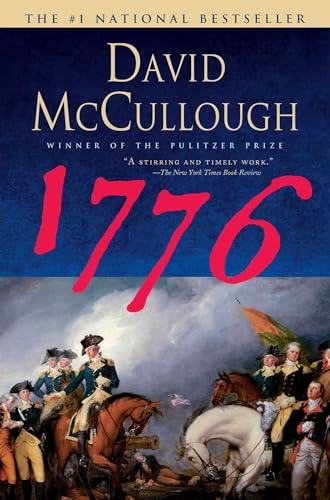 1776
1776
-
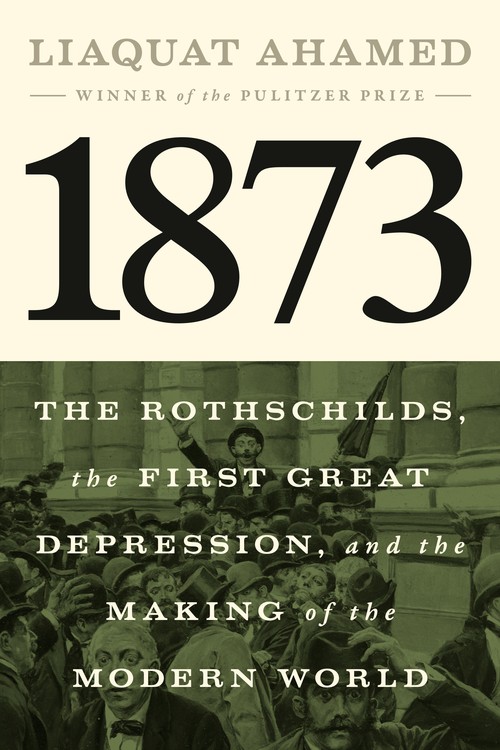 1873
1873
-
 Genealogy Basics In 30 Minutes
-
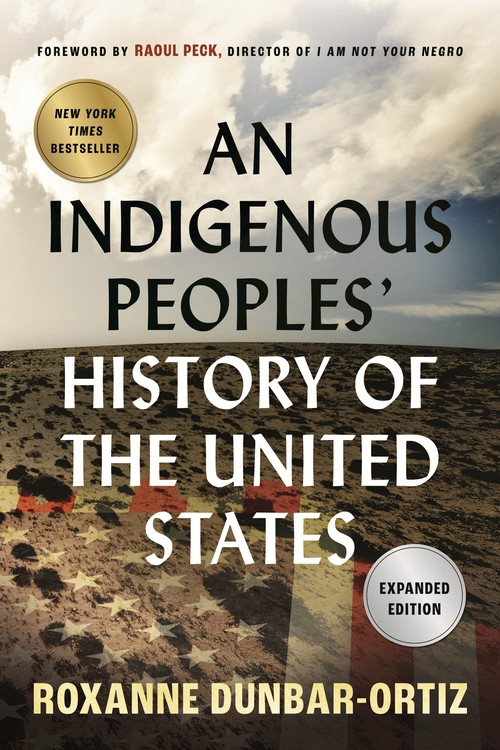 An Indigenous Peoples' History of the United States
-
 The Case for America
-
 Two Ships
-
 The Awakening
-
 The Fate of the Day
-
 The Splendid and the Vile
-
 Jesus and John Wayne
-
 The The Federalist Papers
-
 Rise and Kill First
-
 A Long Way Gone
-
 The Longest Battle
-
 The Lessons of History
-
 The Fourth Turning
-
 The Wide Wide Sea
-
 The Forgotten 500
-
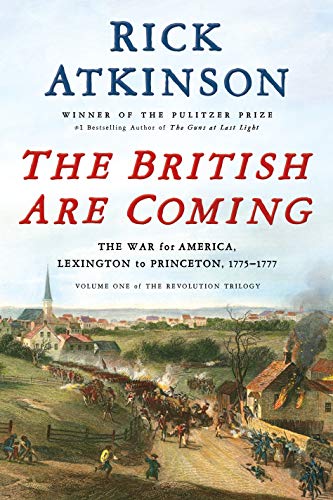 The British Are Coming
-
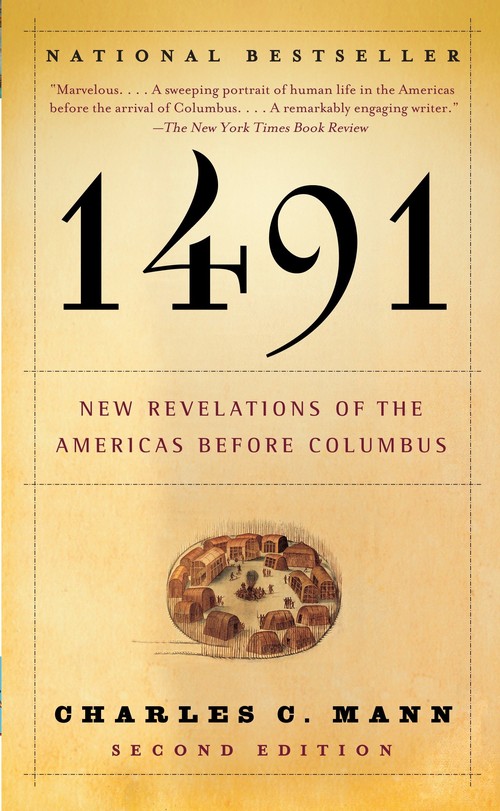 1491 (Second Edition)
-
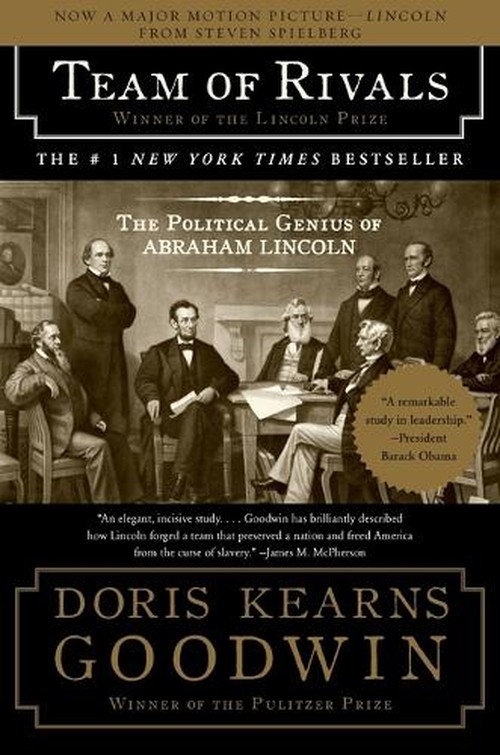 Team of Rivals
-
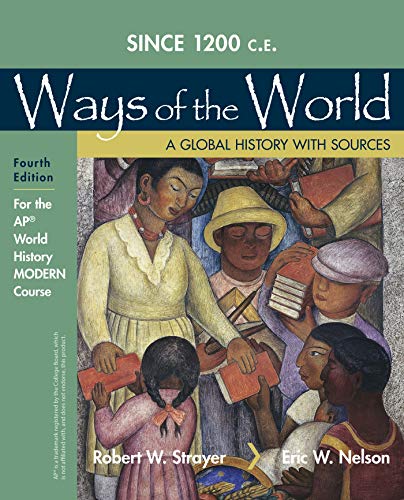 1200 Update Ways of the World with Sources for the Ap(r) Modern Course
-
 Thoughts of a Philosophical Fighter Pilot
-
 Irena's Children
-
 This Land Is Your Land
-
 Nexus
Nexus
-
 Dominion
-
 Barracoon
-
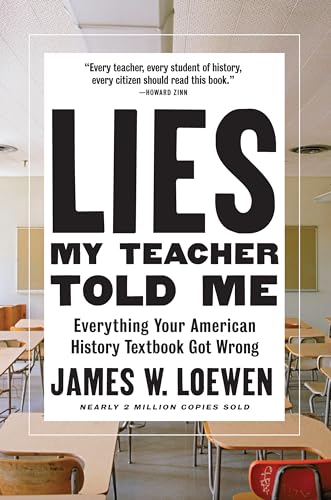 Lies My Teacher Told Me
-
 The Wreck of the Mentor
-
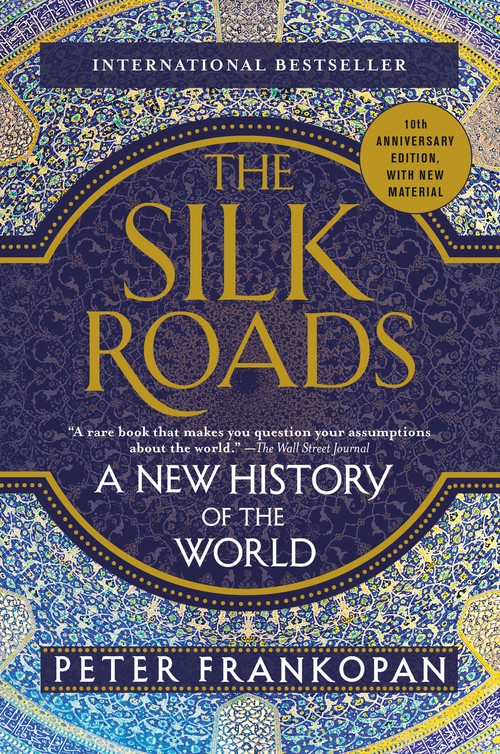 The Silk Roads
-
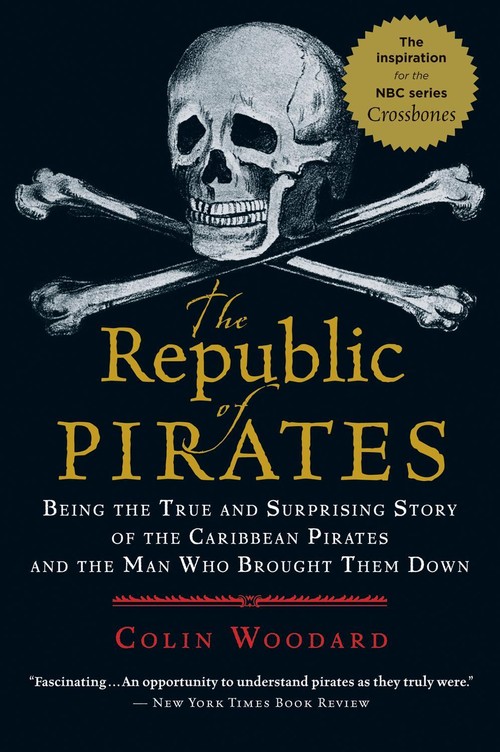 The Republic of Pirates
-
 The Master and His Emissary
-
 Blood and Thunder
-
 The Boys in the Light
-
 Shadow Divers
-
 The Lost Empire of Emanuel Nobel