


Microprocessor Systems Design by Alan Clements
This text covers the design of systems that use a microprocessor including both hardware and software considerations. The particular type of microprocessor discussed is Motorola's 68000 family, including the most recent generation of 68000 chips. Clements' emphasis is practical, providing the necessary detail to enable students to design actual, working systems. A chapter on the C programming language and its relationship to assembly language should appeal especially to instructors whose courses emphasize software aspects of systems design. A bound-in disk contains simulation software that enables students to run 68000 assembly-language code on IBM-PCs and compatibles.
Clements, Alan E.: - Boston born Alan Clements, after dropping out of the University of Virginia in his second year, went to the East and become one of the first Westerners to ordain as a Buddhist monk in Myanmar. He lived in Yangon at the Mahasi Sasana Yeiktha Mindfulness Meditation Centre for nearly four years, training in both the practice and teaching of Satipatthana Vipassana meditation and Buddhist psychology, under the guidance of his preceptor the Venerable Mahasi Sayadaw, and his successor Sayadaw U Pandita. In 1984, forced to leave the country by Burma's dictator Ne Win, with no reason given, Clements returned to the West and through invitation, lectured widely on the wisdom of mindfulness, in addition to leading numerous mindfulness-based meditation retreats and trainings throughout the US, Australia, and Canada, including assisting a three month mindfulness teacher training with Sayadaw U Pandita, at the Insight Meditation Society (IMS), in Massachusetts. In 1988, Alan integrated into his classical Buddhist training an awareness that included universal human rights, social injustices, environmental sanity, political activism, the study of propaganda and mind control in both democratic and totalitarian societies, and the preciousness of everyday freedom. His efforts working on behalf of oppressed peoples led a former director of Amnesty International to call Alan one of the most important and compelling voices of our times. As an investigative journalist Alan has lived in some of the most highly volatile areas of the world. In the jungles of Burma, in 1990, he was one of the first eye-witnesses to document the mass oppression of ethnic minorities by Burma's military, which resulted in his first book, Burma: The Next Killing Fields? (with a foreword by the Dalai Lama). Shortly thereafter, Alan was invited to the former-Yugoslavia by a senior officer for the United Nations, where, based in Zagreb during the final year of the war, he wrote the film Burning while consulting with NGO's and the United Nation's on the vital role of consciousness in understanding human rights, freedom, and peace. In 1995, a French publisher asked Alan to attempt reentering Burma for the purpose of meeting Aung San Suu Kyi. Just released after six years of incarceration, Alan invited Aung San Suu Kyi to tell her courageous story to the world, thus illuminating the philosophical and spiritual underpinnings of Burma's nonviolent struggle for freedom. The transcripts of their five months of conversations were smuggled out of the country and became the book The Voice of Hope. Translated into numerous languages, The Voice of Hope offers insight into the nature of totalitarianism, freedom, and nonviolent revolution. Said the London Observer: Clements is the perfect interlocutor ... whatever the future of Burma, a possible future for politics itself is illuminated by these conversations. In 2002 Alan wrote Instinct for Freedom - Finding Liberation Through Living (New World Library & World Dharma Publications, nominated for the best spiritual teaching/memoir by the National Spiritual Booksellers Association in 2003), a memoir about his years in Burma that chronicles his mindfulness meditation training and dharma-informed activism. In 2003 he co-founded with his colleague, Dr. Jeannine Davies, the World Dharma Online Institute (WDOI) that offers an evolving video master course based on his life's work.
| SKU | Unavailable |
| ISBN 13 | 9780534948221 |
| ISBN 10 | 0534948227 |
| Title | Microprocessor Systems Design |
| Author | Alan Clements |
| Condition | Unavailable |
| Binding Type | Hardback |
| Publisher | Cengage Learning, Inc |
| Year published | 1997-03-21 |
| Number of pages | 912 |
| Cover note | Book picture is for illustrative purposes only, actual binding, cover or edition may vary. |
| Note | Unavailable |
Customers who bought this item also bought
-
 AI Engineering
-
 If Anyone Builds It, Everyone Dies
-
 Executive's Guide to Cyber Risk
-
 Build a Large Language Model (From Scratch)
-
 The Black Swan: Second Edition
-
 System Design Interview - An insider's guide
-
 I Am Not a Robot
-
 Designing Machine Learning Systems
-
 Hands-On Large Language Models
-
 Why Machines Learn
-
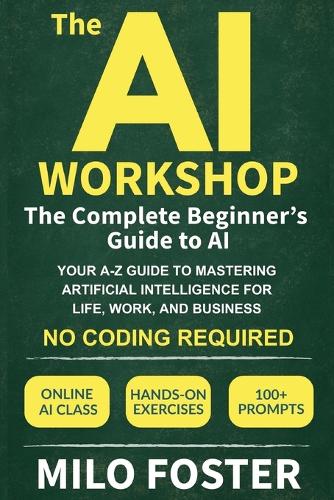 The AI Workshop
-
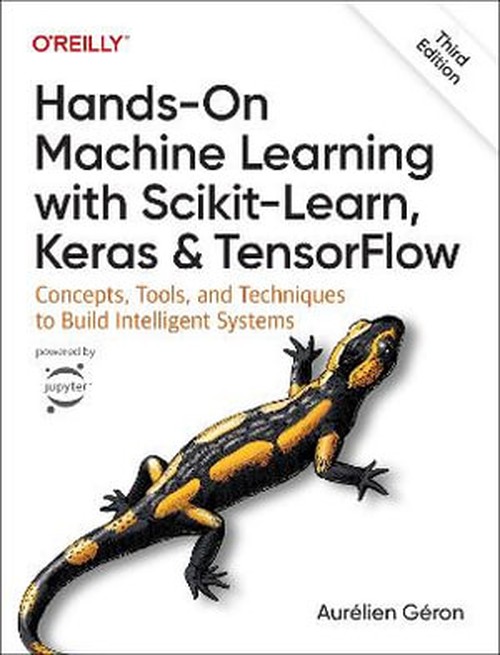 Hands-On Machine Learning with Scikit-Learn, Keras, and TensorFlow 3e
-
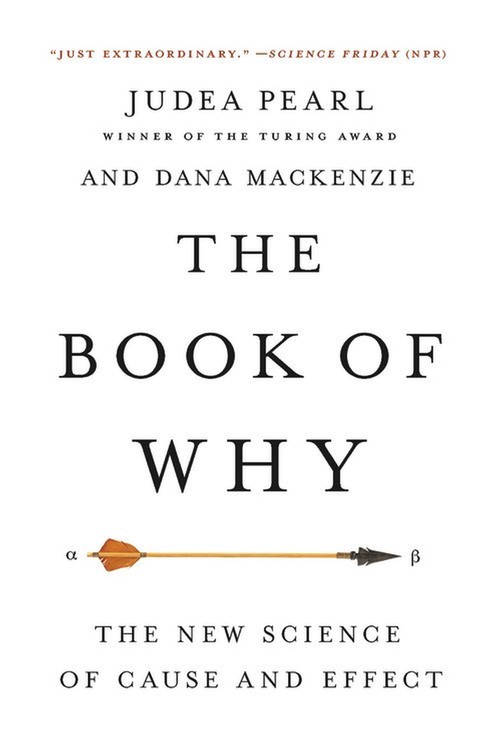 The The Book of Why
-
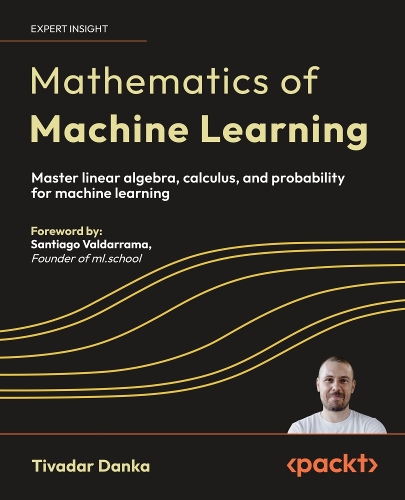 Mathematics of Machine Learning
-
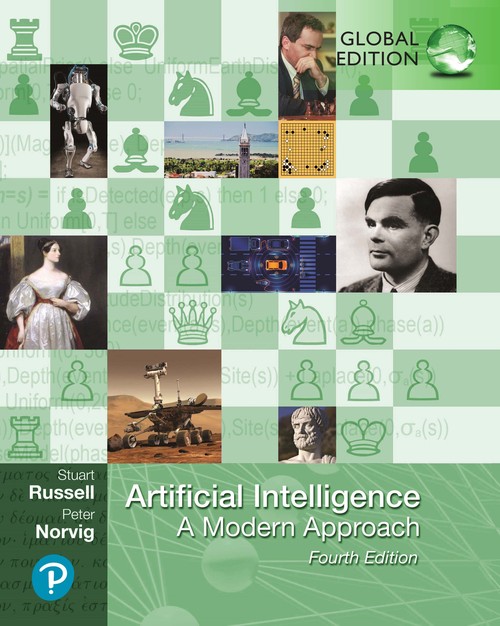 Artificial Intelligence: A Modern Approach, Global Edition
-
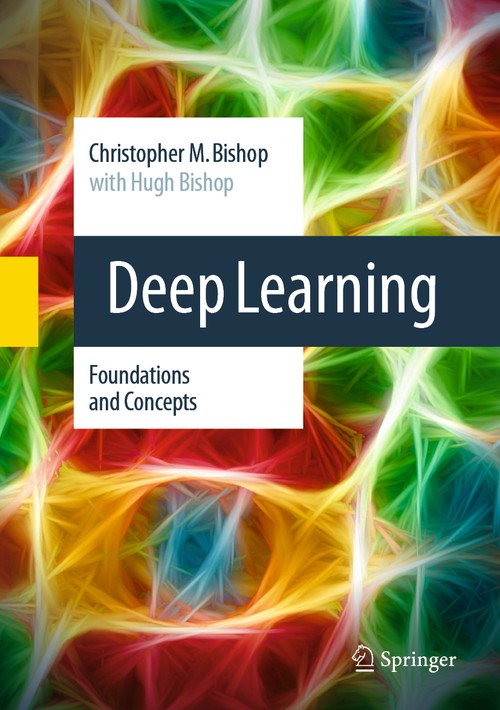 Deep Learning
-
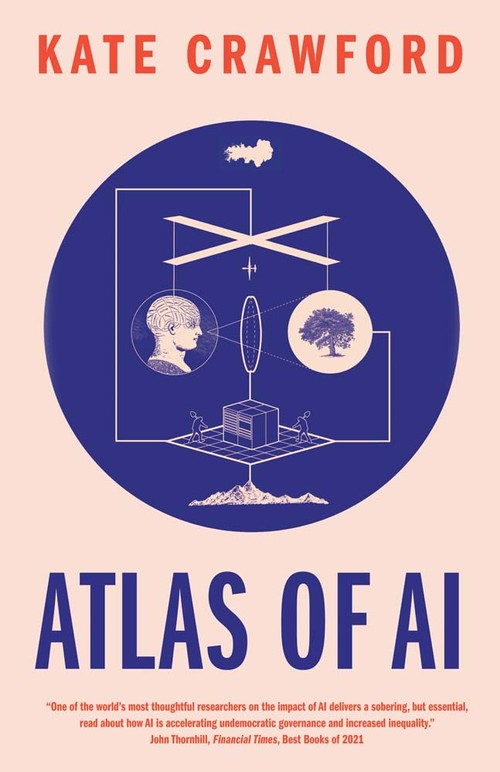 Atlas of AI
-
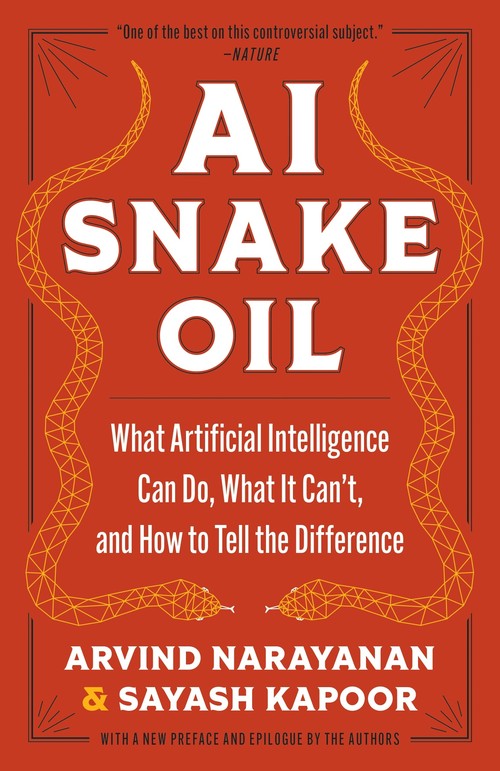 AI Snake Oil
-
 Deep Learning
-
 Essential Math for Data Science
-
 Machine Learning with PyTorch and Scikit-Learn
-
 Advances in Financial Machine Learning
-
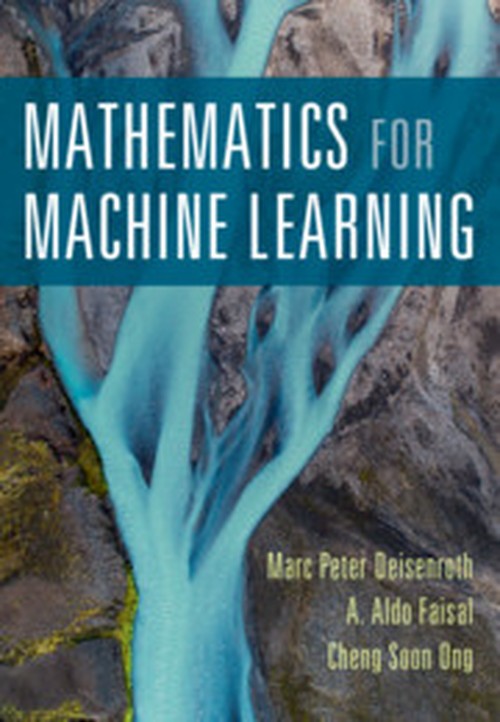 Mathematics for Machine Learning
-
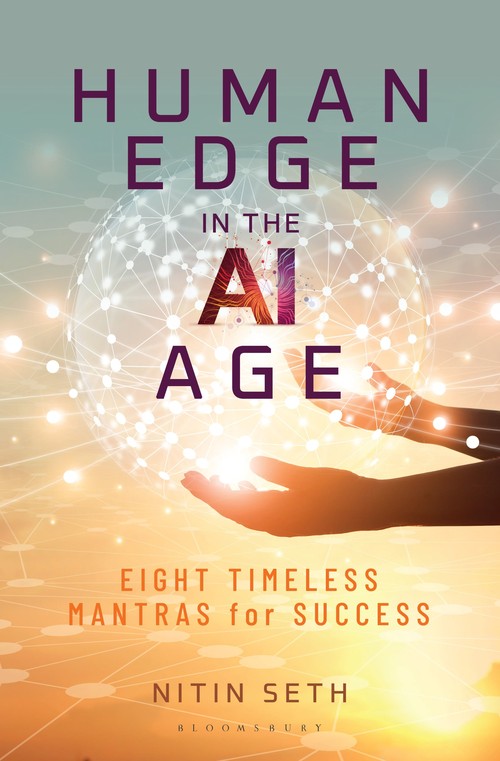 Human Edge in the AI Age
-
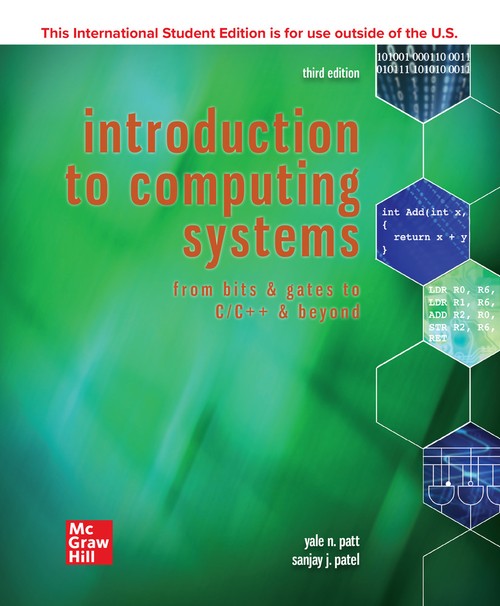 ISE Introduction to Computing Systems: From Bits & Gates to C/C++ & Beyond
-
 MacBook Seniors Guide: A Step-by-Step Manual for the Non-Tech-Savvy to Master Your Mac in No Time
-
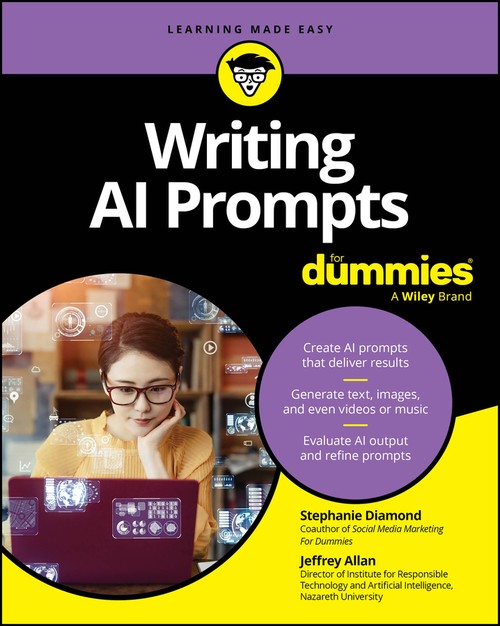 Writing AI Prompts For Dummies
-
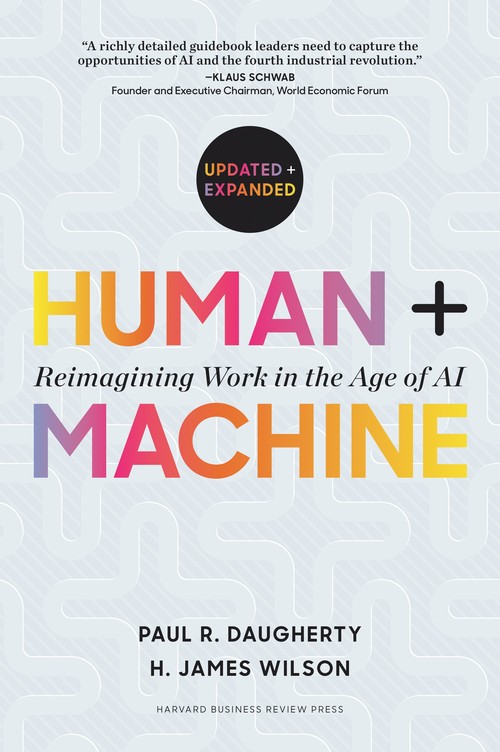 Human + Machine, Updated and Expanded
-
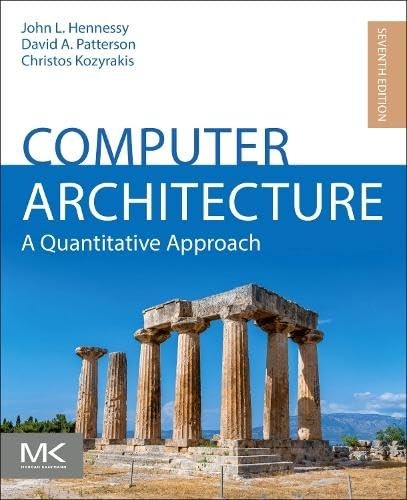 Computer Architecture
-
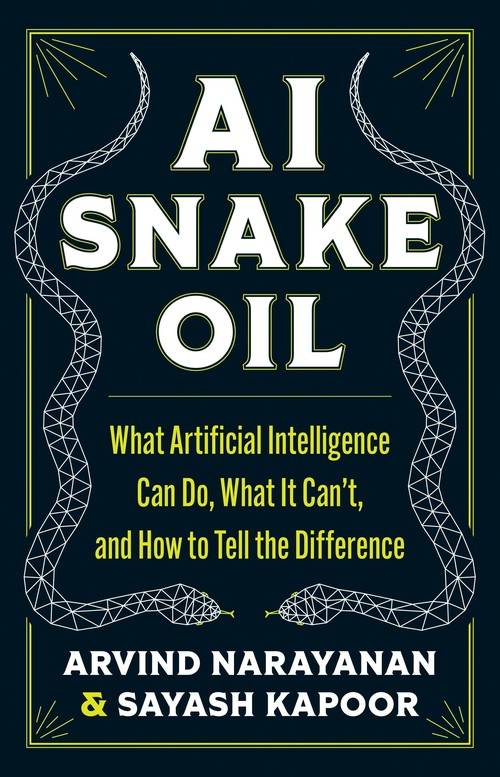 AI Snake Oil
-
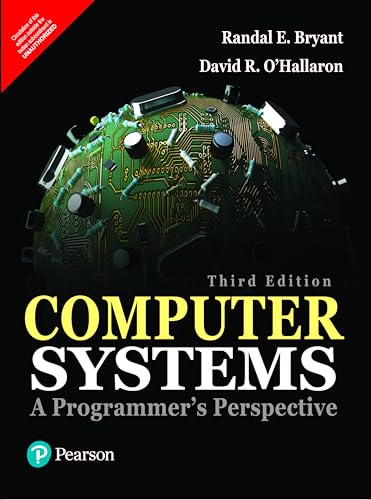 Computer Systems: A Programmer's Perspective, 3 Edition
-
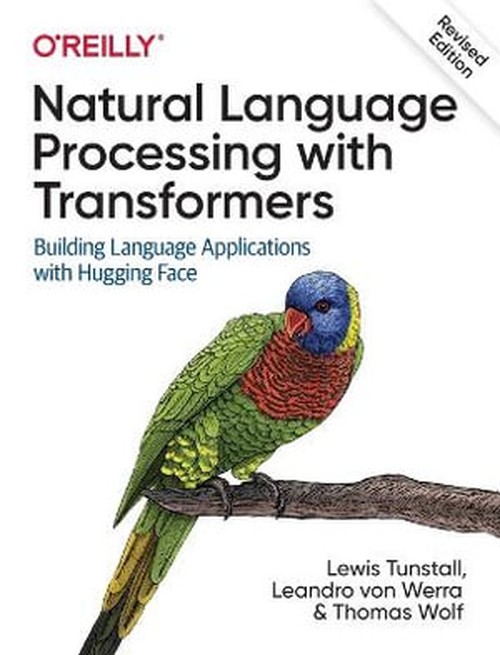 Natural Language Processing with Transformers, Revised Edition
-
 The Ultimate ChatGPT Prompt Book
-
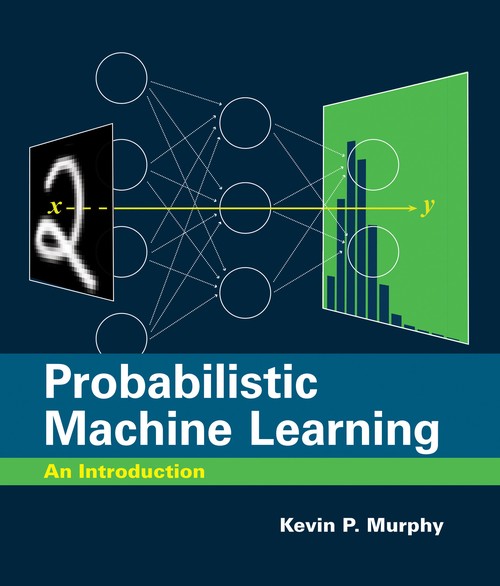 Probabilistic Machine Learning
-
 Deep Utopia
-
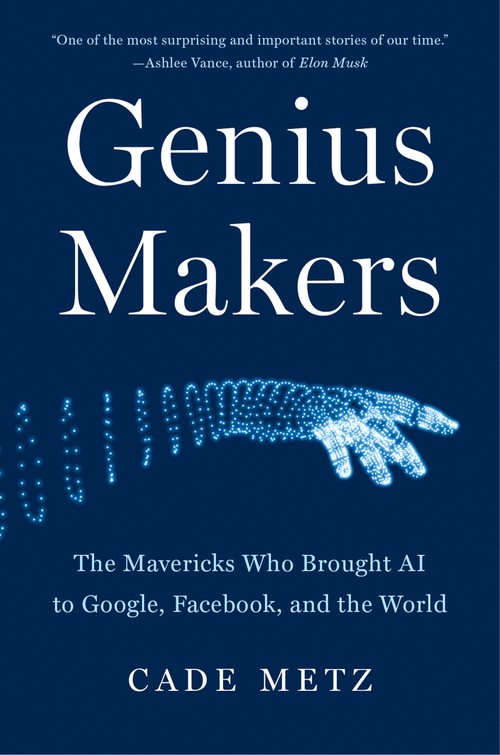 Genius Makers
-
 Rust Atomics and Locks
-
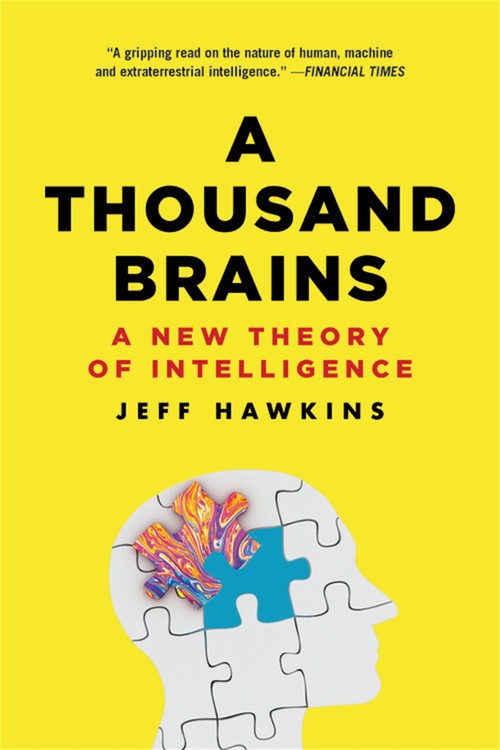 A A Thousand Brains
-
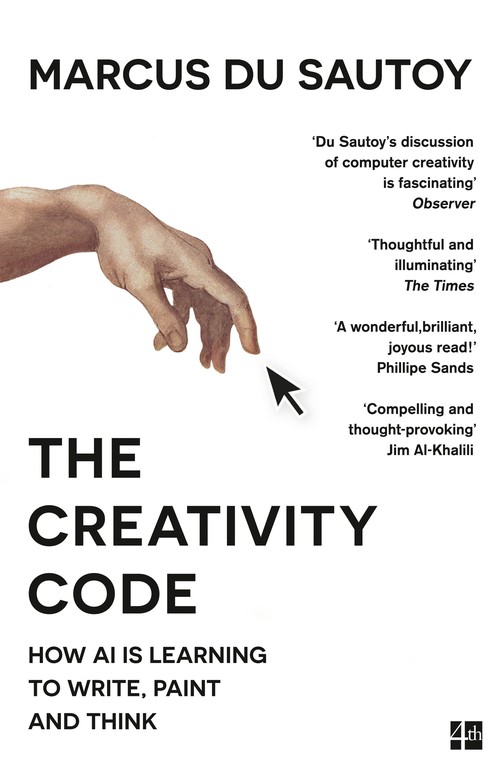 The Creativity Code
-
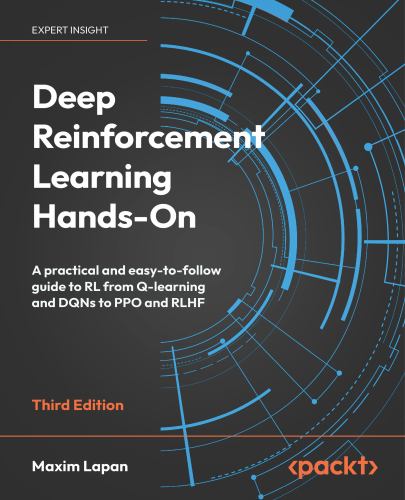 Deep Reinforcement Learning Hands-On
-
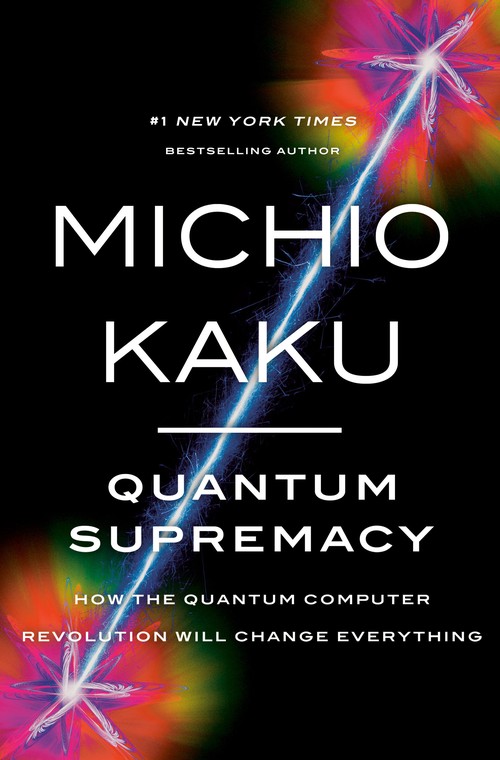 Quantum Supremacy
-
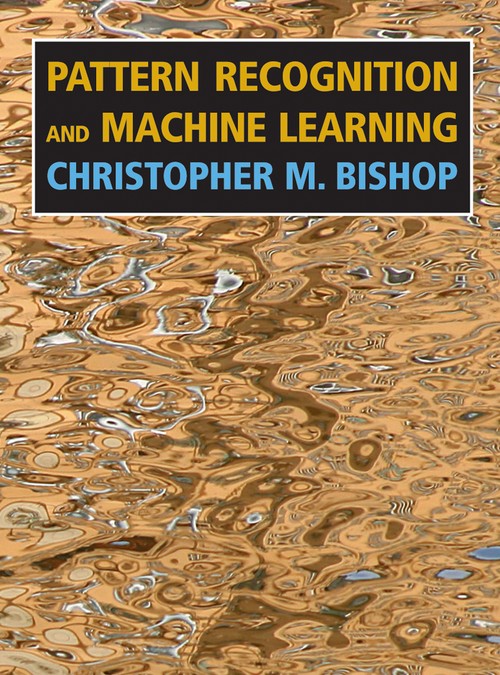 Pattern Recognition and Machine Learning
-
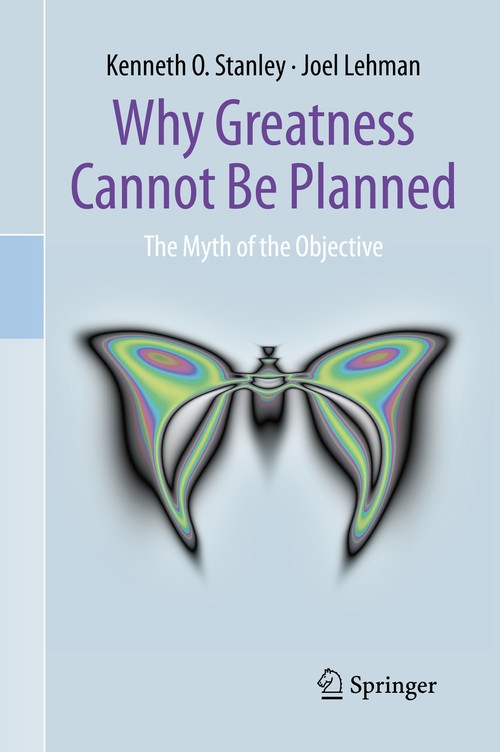 Why Greatness Cannot Be Planned
-
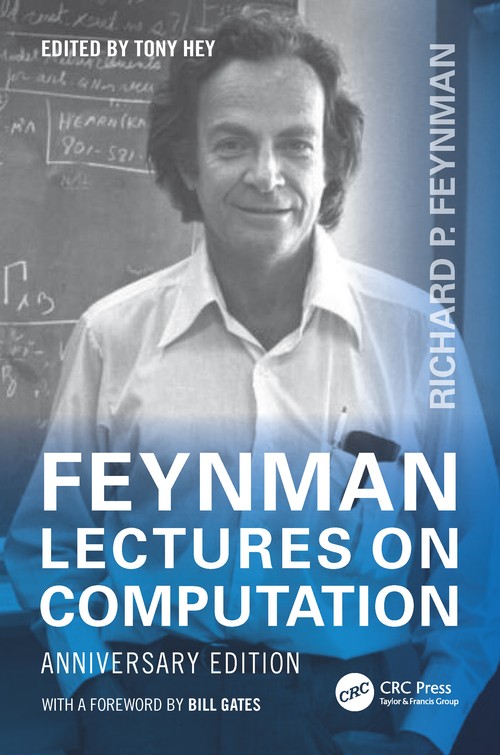 Feynman Lectures on Computation
-
 Machine Learning for Algorithmic Trading
-
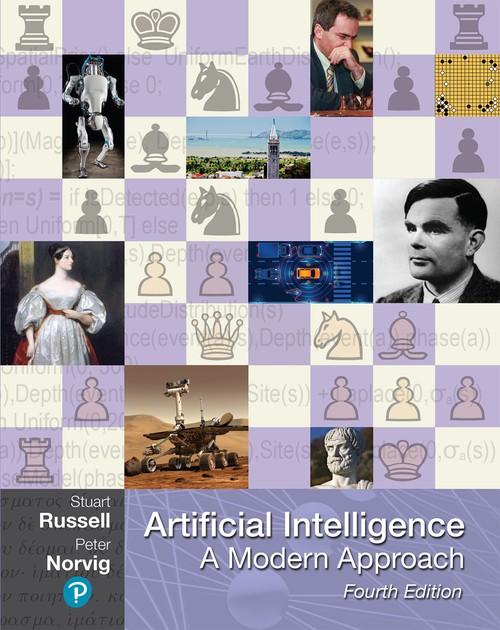 Artificial Intelligence
-
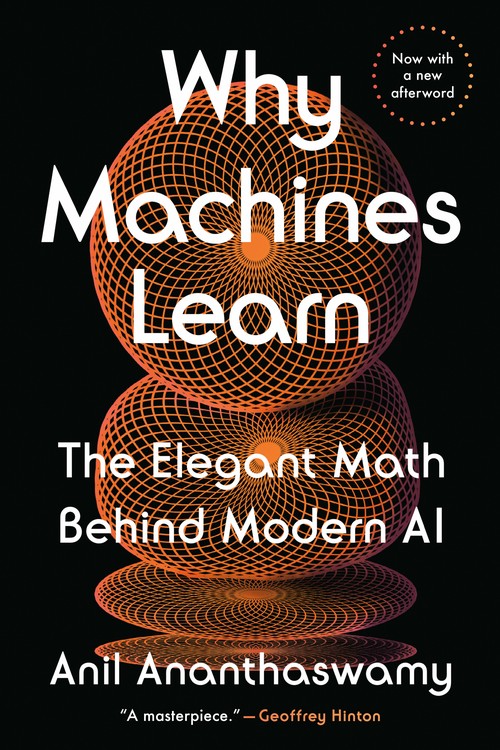 Why Machines Learn
-
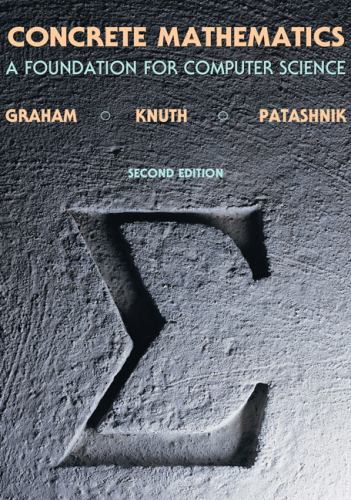 Concrete Mathematics
-
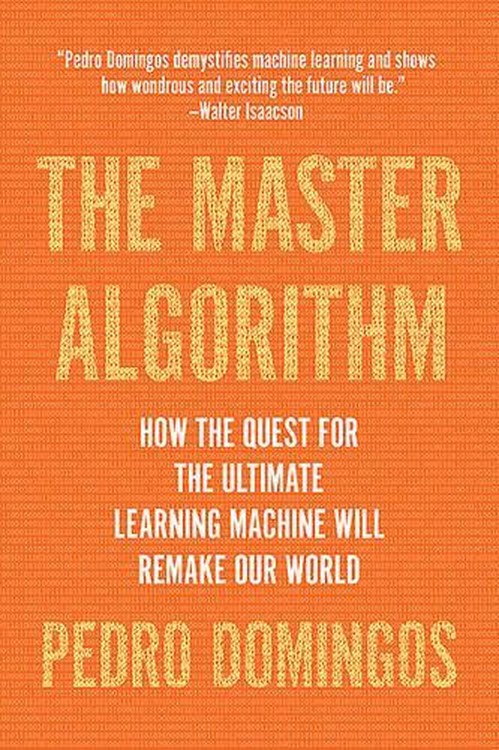 The Master Algorithm
-
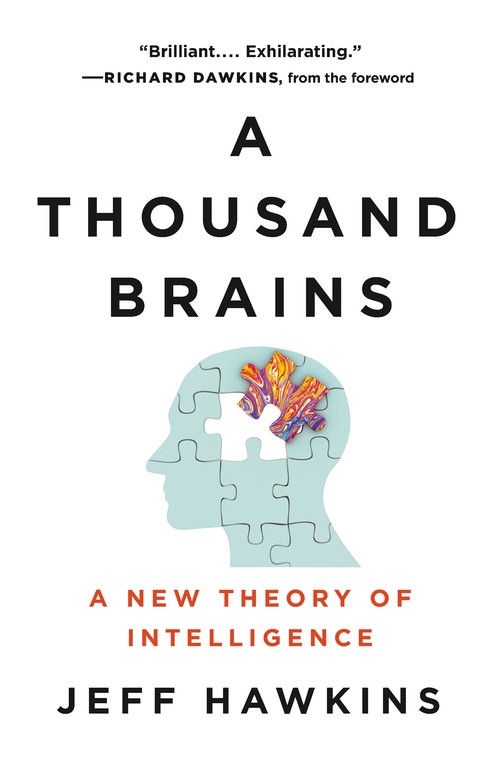 A A Thousand Brains