


Phaedrus by Plato
Set in the idyllic countryside outside Athens, the Phaedrus is a dialogue between the philosopher Socrates and his friend Phaedrus, inspired by their reading of a clumsy speech by the writer Lysias on the nature of love. Their conversation develops into a wide-ranging discussion on such subjects as the pursuit of beauty, the immortality of the soul and the attainment of truth, and ends with an in-depth consideration of the principles of rhetoric. Probably a work of Plato's maturity, the Phaedrus represents a high point in his achievement as a writer. This volume also contains two of his letters, which discuss his involvement in politics, in particular his role as adviser to Dionysius II of Syracuse, and are crucial documents for our understanding of Plato's life and career.
Plato (c.427-347 BC) stands with Socrates and Aristotle as one of the shapers of the whole intellectual tradition of the West. He came from a family that had long played a prominent part in Athenian political life, and it would have been natural for him to follow the same course. He declined to do so however, disgusted at the corruption of political life, and sickened especially by the execution in 339 of his friend and teacher, Socrates. Plato sought a cure for the ills of society in philosophy rather than politics, and founded the Academy in Athens. Plato wrote over twenty philosophical dialogues and his literary activity extended over half a century.
| SKU | Unavailable |
| ISBN 13 | 9780140442755 |
| ISBN 10 | 0140442758 |
| Title | Phaedrus |
| Author | Plato |
| Series | Classics |
| Condition | Unavailable |
| Binding Type | Paperback |
| Publisher | Penguin Books Ltd |
| Year published | 1973-08-30 |
| Number of pages | 160 |
| Cover note | Book picture is for illustrative purposes only, actual binding, cover or edition may vary. |
| Note | Unavailable |
Customers who bought this item also bought
-
 The 48 Laws of Power
-
 Meditations
-
 Meditations
-
 The Art of War
-
 Ikigai
-
 The Boy, the Mole, the Fox and the Horse Fifth Anniversary Limited Edition
-
 The Boy, the Mole, the Fox and the Horse
-
 Plato: Five Dialogues
-
 The Boy, the Mole, the Fox and the Horse Deluxe (Yellow) Edition
-
 The Power of Your Subconscious Mind
-
 The Righteous Mind
-
 The Book of Five Rings
-
 Zen and the Art of Motorcycle Maintenance
-
 Tao Te Ching
-
 The Imitation of Christ
-
 Justice
-
 City of God
-
 The Consolation of Philosophy
-
 Beyond Good and Evil
-
 Thus Spoke Zarathustra
-
 Antifragile
-
 My Grandmother's Hands
-
 The Trial and Death of Socrates
-
 Against the Gods
-
 Being and Time
-
 The Tibetan Book of the Dead
-
 Republic
-
 Why Buddhism Is True
-
 Fear and Trembling
-
 The Republic
-
 Big Panda and Tiny Dragon
-
 A Guide to the Good Life
-
 The Score
-
 God, the Science, the Evidence
-
 Selected Writings
-
![Zen and the Art of Motorcycle Maintenance [50th Anniversary Edition]](https://image-server.worldofbooks.com/images/9780063342330.jpg) Zen and the Art of Motorcycle Maintenance [50th Anniversary Edition]
Zen and the Art of Motorcycle Maintenance [50th Anniversary Edition]
-
 The Uses of Argument
-
 Aristotle's Nicomachean Ethics
-
 Existentialism Is a Humanism
-
 Zen and the Art of Motorcycle Maintenance
-
 The Utilitarianism
-
 The Art of Communicating
-
 Four Thousand Weeks
-
 Far Journeys
-
 Nicomachean Ethics
-
 Discourse on the Origin of Inequality
-
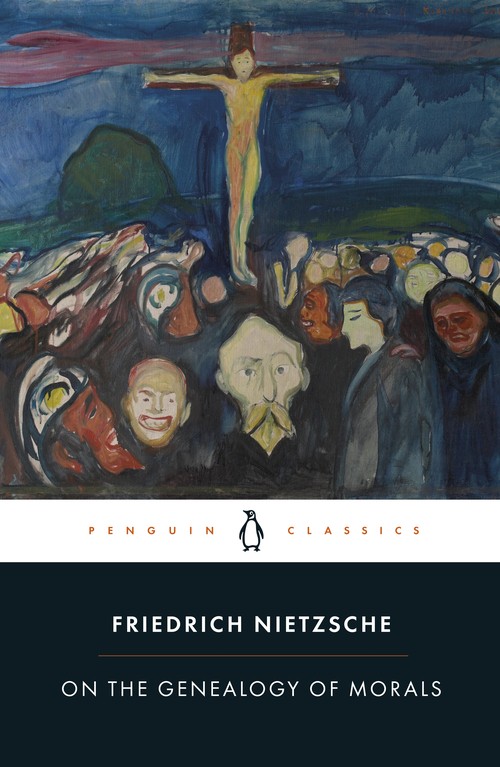 On the Genealogy of Morals
-
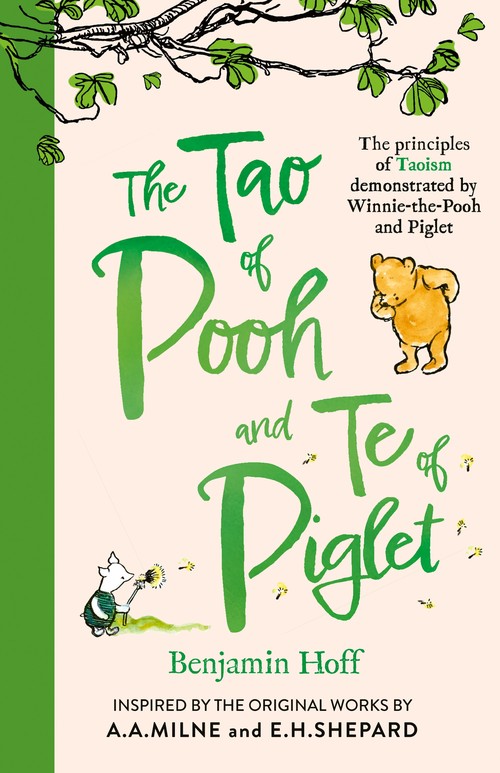 The Tao of Pooh & The Te of Piglet
-
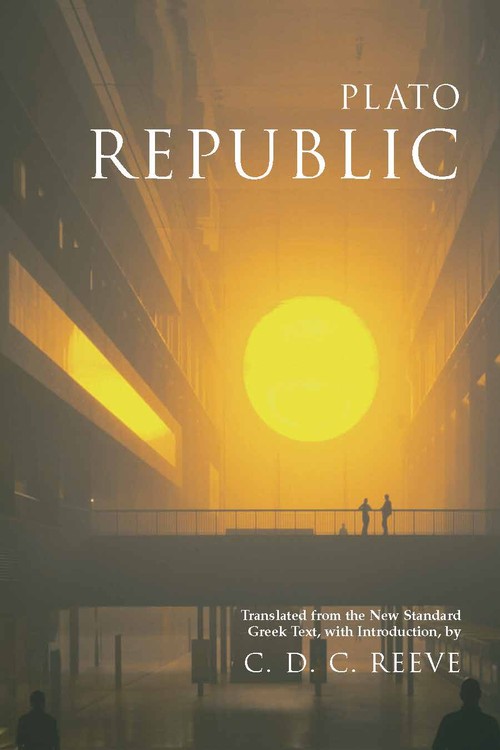 Republic
-
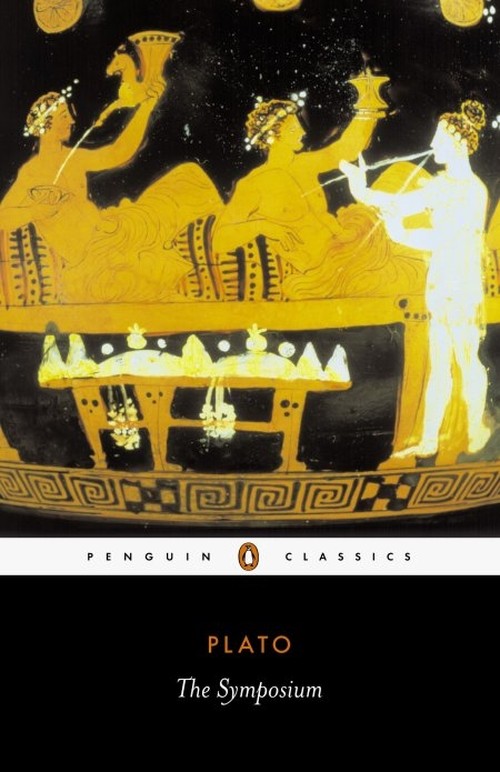 The Symposium