


Poetics by Aristotle
Among the most influential books in Western civilization, the Poetics is really a treatise on fine art. It offers seminal ideas on the nature of drama, tragedy, poetry, music and more, including such concepts as catharsis, the tragic flaw, unities of time and place and other rules of drama.
ARISTOTLE was born in the northern Greek town of Stagira in 384 B.C.E., where his father was the personal physician to the great-grandfather of Alexander the Great. At the age of eighteen Aristotle entered Plato's Academy and soon became recognized as its most important student. He remained under Plato's tutelage for nearly twenty years. After his teacher's death in 347 B.C.E., Aristotle cultivated associations with other Academy students throughout Greece and Asia Minor. Then in 342 B.C.E., Aristotle was asked by King Philip II of Macedonia to become the tutor for his young son Alexander, who was later to become the conqueror of much of the known world at that time. The young prince remained under Aristotle's supervision until 336 B.C.E., when he acceded to the throne after his father's death. Two years later Aristotle returned to Athens and founded his own school, which he called the Lyceum. This intellectual center flourished during the years when Alexander the Great ruled Greece as part of his large empire. But upon Alexander's death in 323 B.C.E., Aristotle was charged with impiety by Athenians who resented his associations with the Macedonian conqueror. Rather than risk the same fate as Plato's mentor, Socrates, Aristotle fled to the city of Chalcis, where he died in 322 B.C.E. Aristotle's interests, like those of Plato, were diverse and his writing cast its shadow on many fields, including logic, metaphysics, epistemology, ethics, politics, and the sciences. Among his most well-known works are: The Categories, The Prior and Posterior Analytics, The Physics, The Meta-physics, De Anima, The Nicomachean Ethics, and The Politics.
| SKU | Unavailable |
| ISBN 13 | 9780486295770 |
| ISBN 10 | 048629577X |
| Title | Poetics |
| Author | Aristotle |
| Series | Dover Thrift Editions |
| Condition | Unavailable |
| Binding Type | Paperback |
| Publisher | Dover Publications Inc. |
| Year published | 2000-02-01 |
| Number of pages | 64 |
| Cover note | Book picture is for illustrative purposes only, actual binding, cover or edition may vary. |
| Note | Unavailable |
Customers who bought this item also bought
-
 The Norton Anthology of English Literature
-
 The Norton Anthology of English Literature
-
 Nature, Knowledge And God
-
 The Penguin Book of the Modern American Short Story
-
 The Best Short Stories 2025
-
 The Souls of Black Folk
-
 The Norton Anthology of World Literature
-
 The Oxford Book of American Short Stories
-
 The Solace of Open Spaces
-
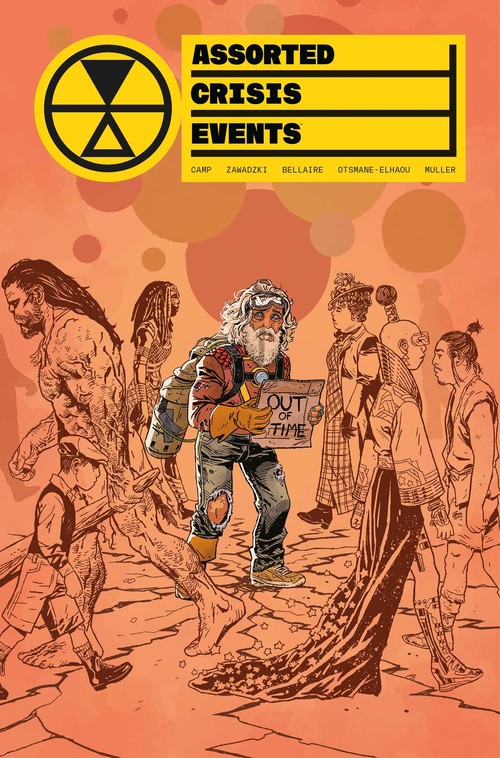 Assorted Crisis Events Volume 1
-
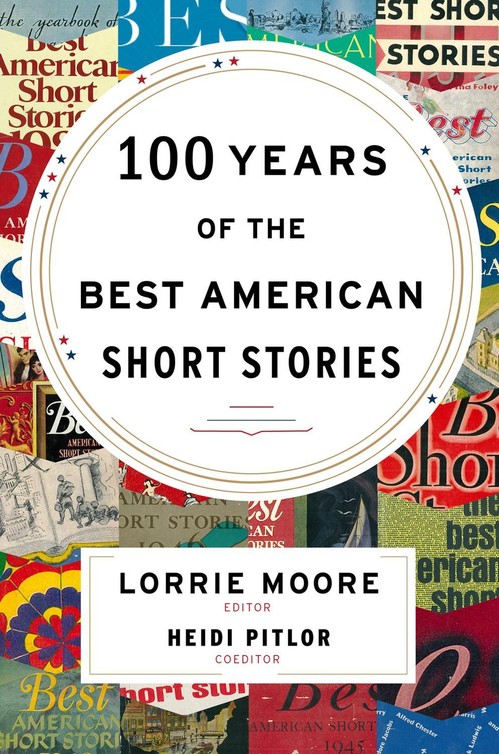 100 Years of the Best American Short Stories
-
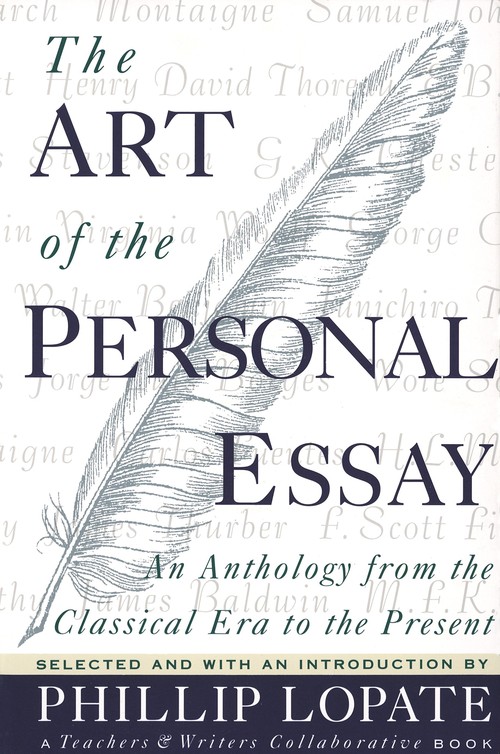 The Art of the Personal Essay
-
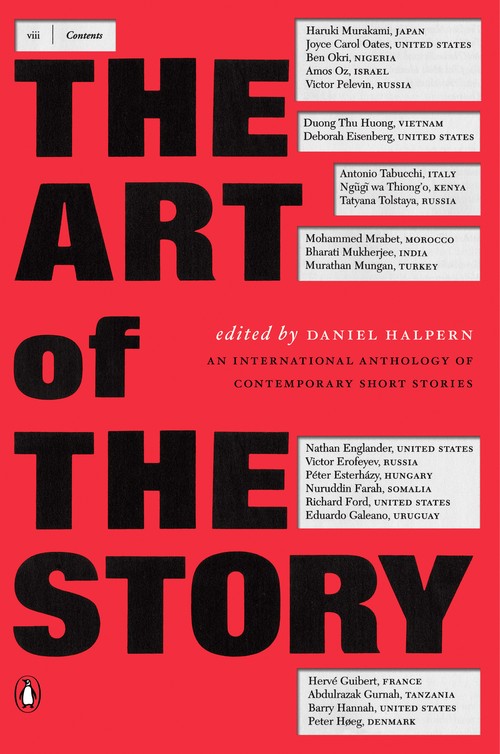 The Art of the Story
-
 Paper Sloyd
-
 A Man Without a Country
-
 Modern Love, Revised and Updated
-
 Tennyson: Poems
-
 The Complete Cosmicomics
-
 Obvious Adams
-
 The Portable Dorothy Parker
-
 The Fall of the House of Usher and Other Writings
-
 A Literary Cat for Every Day of the Year
-
 The Norton Anthology of American Literature
-
 The Scribner Anthology of Contemporary Short Fiction
-
 The Adventures of Tom Sawyer
-
 Zoot Suit and Other Plays
-
 Born in Blood Collection Volume 2
-
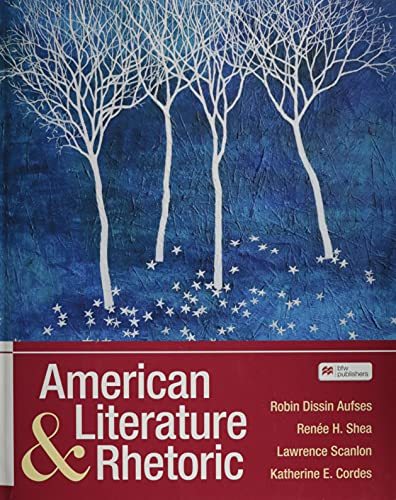 American Literature and Rhetoric
-
 The Devil and Sherlock Holmes
-
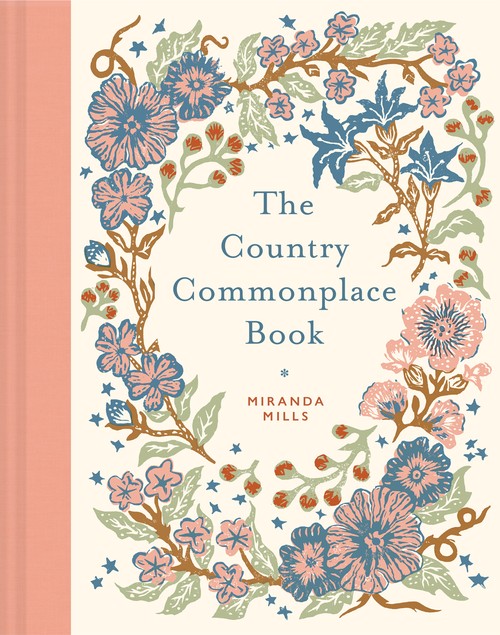 The Country Commonplace Book
-
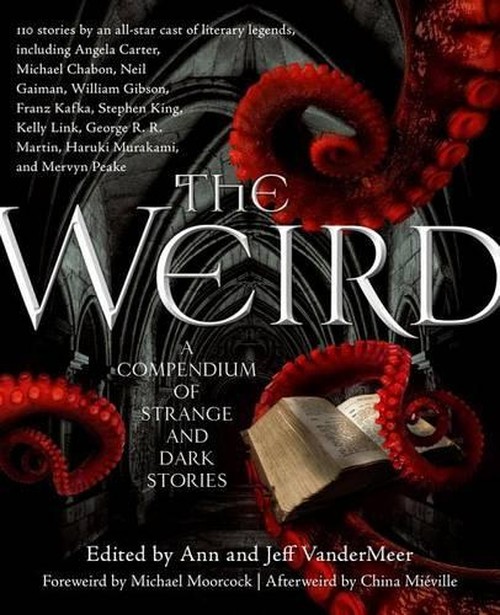 The Weird
-
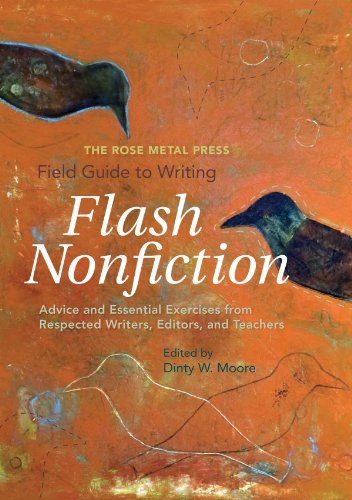 The Rose Metal Press Field Guide to Writing Flash Nonfiction
-
 Q's Legacy
-
 Las Ensenanzas De Don Juan
-
 Intra Muros
-
 Miss Marple: The Complete Short Stories
-
 Homeric Hymns. Homeric Apocrypha. Lives of Homer
-
 Great English Short Stories
-
 Literature: A Portable Anthology
-
 Earth Prayers
-
 The Norton Anthology of American Literature
-
 Una Una historia de España / A History of Spain
-
 The Book of Women's Friendship
-
 The Book of Virtues for Young People
-
 The Norton Anthology of American Literature
-
 I Used to Be Charming
-
 John McPhee: Encounters in Wild America (LOA #398)
-
 PORTABLE Literature
-
 Hot & Bothered
-
 The Great War and Modern Memory