The Princeton Sourcebook in Comparative Literature by David Damrosch
With selections extending from the beginning of comparative study through the years of intensive theoretical inquiry and on to contemporary discussions of the world's literatures, this title helps readers navigate a rapidly evolving discipline in a dramatically changing world.You might also like
Yesteryear
Loading...
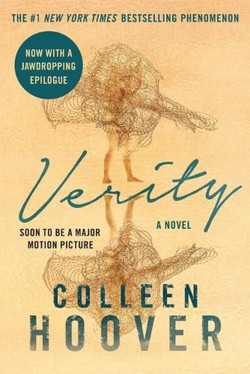
Verity
Loading...
Whistler
Loading...
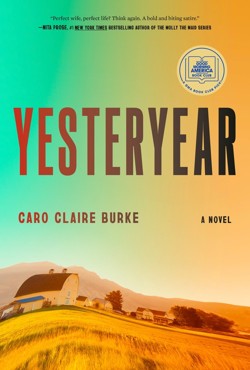
Yesteryear: A GMA Book Club Pick
Loading...
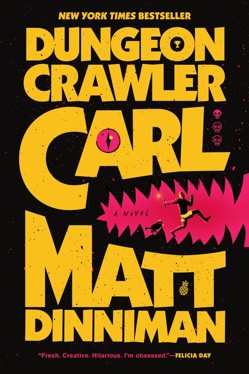
Dungeon Crawler Carl
Loading...
The Gate of the Feral Gods
Loading...
-
 Dictionary of Untranslatables
-
 What Is World Literature?
-
 Persian Parables
-
 Translation Multiples
-
 Translation and Violence
-
 Nation, Language, and the Ethics of Translation
-
 Archives of Authority
-
 Experimental Nations
-
 The Making of Barbarians
-
 In Spite of Partition
-
 Literature’s Refuge
-
 Literatures Refuge
-
 Learning Zulu
-
 Vernacular English
-
 City of Beginnings
-
 Security
-
 In the Shadow of World Literature
-
 Writing Outside the Nation
-
 Sacred Language, Vernacular Difference
-
 The Literary Channel
-
 Poetry of the Revolution
-
 Guru English
-
 Leaks, Hacks, and Scandals
-
 The Translation Zone


"Combining classic essays with little-known pieces from across the centuries and around the world whose take on comparative literary study is especially pertinent to debates today, The Princeton Sourcebook in Comparative Literature will be an indispensable resource for debates about how to conceive of literary studies today and in the future, and a salutary reminder that for comparatists the questions posed by globalization have always been on the table"—Jonathan Culler, past president of the American Comparative Literature Association
"Rebuilt many times on the high seas, comparative literature is a Noah's ark of texts, methodologies, languages, communities, and aspirations. This collection captures the restless, experimental, self-critical spirit of what has never been a discipline or a field but a project, from its emergence in the breakdown of Enlightenment universalism to current debates about circulation, translation, and value."—Haun Saussy, Yale University
"This is an excellent anthology of the main texts that define the field of comparative literature. These pieces show how the discipline has been organized in the past and where it is going in an age of increased globalization. The excellent introductions are concise, clear, and well written. This is a book that all students of comparative literature will want to read."—Jean-Michel Rabaté, University of Pennsylvania
"No other book gathers essays forming the major lines of comparative literature study from the Enlightenment to the present. I have no doubt that it will benefit anyone who teaches introductory courses in comparative and world literature. It is easy to imagine an undergraduate or graduate course structured by this book, with several literary works read alongside each of its sections. And The Princeton Sourcebook in Comparative Literature is scrupulously well organized and edited, with concise, informative biographical introductions that reveal the kinds of negotiations of language, national identity, and struggle that are at the heart of the discipline."—Kevin McLaughlin, Brown University
"Rebuilt many times on the high seas, comparative literature is a Noah's ark of texts, methodologies, languages, communities, and aspirations. This collection captures the restless, experimental, self-critical spirit of what has never been a discipline or a field but a project, from its emergence in the breakdown of Enlightenment universalism to current debates about circulation, translation, and value."—Haun Saussy, Yale University
"This is an excellent anthology of the main texts that define the field of comparative literature. These pieces show how the discipline has been organized in the past and where it is going in an age of increased globalization. The excellent introductions are concise, clear, and well written. This is a book that all students of comparative literature will want to read."—Jean-Michel Rabaté, University of Pennsylvania
"No other book gathers essays forming the major lines of comparative literature study from the Enlightenment to the present. I have no doubt that it will benefit anyone who teaches introductory courses in comparative and world literature. It is easy to imagine an undergraduate or graduate course structured by this book, with several literary works read alongside each of its sections. And The Princeton Sourcebook in Comparative Literature is scrupulously well organized and edited, with concise, informative biographical introductions that reveal the kinds of negotiations of language, national identity, and struggle that are at the heart of the discipline."—Kevin McLaughlin, Brown University
David Damrosch is professor of comparative literature at Harvard University and a past president of the American Comparative Literature Association. His books include "How to Read World Literature" and "What Is World Literature?" (Princeton). Natalie Melas is associate professor of comparative literature at Cornell University and the author of" All the Difference in the World: Postcoloniality and the Ends of Comparison". Mbongiseni Buthelezi is a doctoral student in English and comparative literature at Columbia University.
| SKU | Unavailable |
| ISBN 13 | 9780691132853 |
| ISBN 10 | 0691132852 |
| Title | The Princeton Sourcebook in Comparative Literature |
| Author | David Damrosch |
| Series | Translation Transnation |
| Condition | Unavailable |
| Binding Type | Paperback |
| Publisher | Princeton University Press |
| Year published | 2009-08-23 |
| Number of pages | 464 |
| Cover note | Book picture is for illustrative purposes only, actual binding, cover or edition may vary. |
| Note | Unavailable |
Customers who bought this item also bought
Rage and Ruin
Loading...
Verity
Loading...
Whistler
Loading...
Yesteryear: A GMA Book Club Pick
Loading...
Dungeon Crawler Carl
Loading...
The Gate of the Feral Gods
Loading...
This Inevitable Ruin
Loading...
Of Mice and Men
Loading...
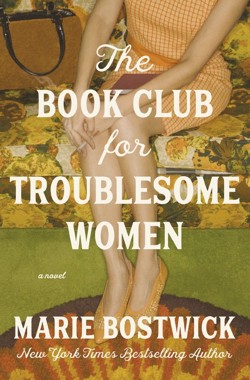
The Book Club for Troublesome Women
Loading...

The Legacy
Loading...
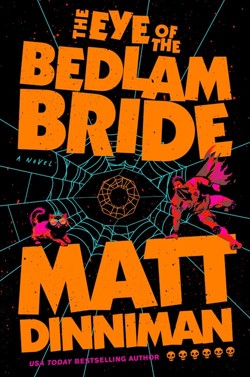
The Eye of the Bedlam Bride
Loading...
The Thoroughbreds
Loading...

Never Lie
Loading...
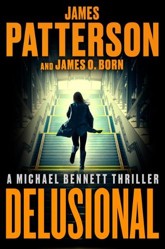
Delusional
Loading...

Dust
Loading...
The Midnight Library: A GMA Book Club Pick
Loading...