Technique by Giorgio Vasari
Giorgio Vasari (1511-1571) is well known for his celebrated work on the lives of the Renaissance artists. But not many people know that Vasari was a painter and architect as well as a biographer, and that he wrote one of the most valuable treatises on the technical methods of the painters, architects, and sculptors of his time. This is the first and only English translation of this important technical material (originally published in 1550 as an introduction to Vasari's Lives of the Artists).
Vasari, as a practical craftsman, brings to his work as unusual understanding of the processes and materials he writes about, and conveys this knowledge to the reader in a style of the pleasantest and most readable kind. In the section on architecture, he describes the methods used in constructing rustic fountains and grottos; how Michelangelo developed new uses for architectural materials; the architectural uses of enriched plaster; the Renaissance view of Ionic, Doric, Gothic, and other types of architecture; and many similar topics.
In the selection on sculpture, the reader will learn about the making of the model, completion of the statue, reliefs, bronze casting, modelled plaster work, sculpture in wood, and other processes. The final section, on painting, discusses aesthetics, perspective, foreshortening, how colors were blended, fresco painting, painting in tempera, oil painting, and much more.
Scholars and historians of art have long used this book as the most detailed and valuable sourcebook of its time. But its full, readable discussions, combined with the sense of actuality and historical presence it contains, make it also perhaps the best possible description of the Renaissance artists in the heyday of their achievement.
You might also like
Rosalina's Storybook

Textiles

Drawing on the Right Side of the Brain
How to Draw Comics Marvel Way
Everyday Watercolor

The Artist's Drawing Book, The
Perspective Made Easy

Extraordinary Things to Cut Out and Collage
Godzilla: The Official Coloring Book

Figure Drawing
Zentangle Basics, Expanded Workbook Edition

Wildflower Watercolor

Pokemon Stained Glass
How to Draw

The Laws Guide to Drawing Birds

-
 Perspective Made Easy
-
 Guide to Landscape Painting
-
 Craftsman'S Handbook
-
 The Practice and Science of Drawing
-
 The Art of Animal Drawing
-
 The Elements of Drawing
-
 Oil Painting Techniques and Materials
-
 Perspective Drawing Handbook
-
 Modelling and Sculpting the Human Figure
-
 Perspective for Artists
-
 The Materials and Techniques of Medieval Painting
-
 Modelling and Sculpting Animals
-
 Life Drawing in Charcoal
-
 Drawing Trees
-
 Landscape Drawing in Pencil
-
 Hawthorne on Painting
-
 The Practice of Tempera Painting
-
 Pen and Ink Techniques
-
 Light, Shade and Shadow
-
 Complete Guide to Watercolor Painting
-
 Pictorial composition an introduction
-
 Pen & Ink Sketching Step by Step
-
 Composition
-
 The Art of Etching
-
 Etching, Engraving and Other Intaglio Printmaking Techniques
-
 The Materials and Methods of Sculpture
-
 Pen & Ink Drawing
-
 Notan
Notan
-
 Practice of Oil Painting and Drawing
-
 Anatomy and Drawing
-
 The Elements of Dynamic Symmetry
-
 How to Use Creative Perspective
-
 Animal Sketching
-
 Mosaic and Tessellated Patterns
-
 Anatomy and Perspective
-
 Learning to Draw
-
 Abstract Design and How to Create it
-
 Drawing and Sketching in Pencil
-
 Freehand Perspective and Sketching
-
 Perspective Drawing for Beginners
-
 How to Draw Animals
-
 Painting Materials
-
 Light for the Artist
-
 Life Drawing
-
 On Divers Arts
-
 Drawing Animals


Giorgio Vasari (1511-1574), a painter, architect, and Medici confidante, was a key proponent of the late Renaissance style known as Mannerism, which was highly influenced by Michelangelo. The Lives of the Most Brilliant Painters, Sculptors, and Architects, first published in 1550, is probably his abiding masterpiece.
| SKU | Unavailable |
| ISBN 13 | 9780486207179 |
| ISBN 10 | 048620717X |
| Title | Technique |
| Author | Giorgio Vasari |
| Series | Dover Art Instruction |
| Condition | Unavailable |
| Binding Type | Paperback |
| Publisher | Dover Publications Inc. |
| Year published | 2000-02-01 |
| Number of pages | 400 |
| Cover note | Book picture is for illustrative purposes only, actual binding, cover or edition may vary. |
| Note | Unavailable |
Customers who bought this item also bought

Textiles
Morpho: Simplified Forms
Drawing on the Right Side of the Brain
The Artist's Drawing Book, The
Perspective Made Easy
Extraordinary Things to Cut Out and Collage

Figure Drawing

Creative Abstract Watercolor
Pokemon Stained Glass
How to Draw
The Book of Symbols


365 Days of Art
Drawing for the Absolute Beginner
Wildflower Watercolor
Bob Ross Paint with Water
Vogue The Jewellery
Morpho
Pen and Ink Drawing Workbook
Morpho: Clothing Folds and Creases
Taking the Fear Out of Watercolour
Complete Pottery Techniques
Van Gogh
The Laws Guide to Drawing Birds

Doodle Everything!
Redoute
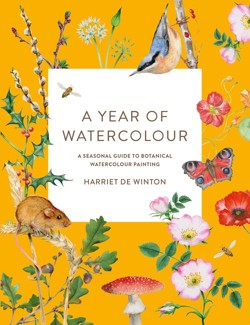
A Year of Watercolour

Secret Garden
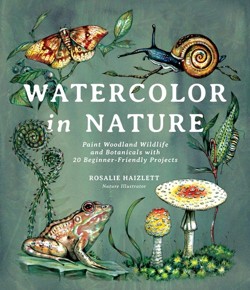
Watercolor in Nature
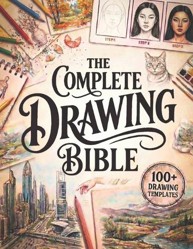
The Complete Drawing Bible


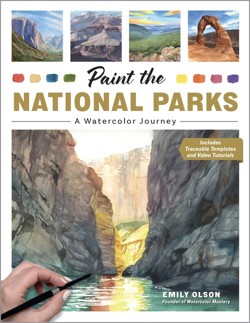
Paint the National Parks
The Metropolitan Museum of Art

Watercolor Success in Four Steps
15-Minute Watercolor Masterpieces

Draw Amazing Faces
Watercolour Lessons