


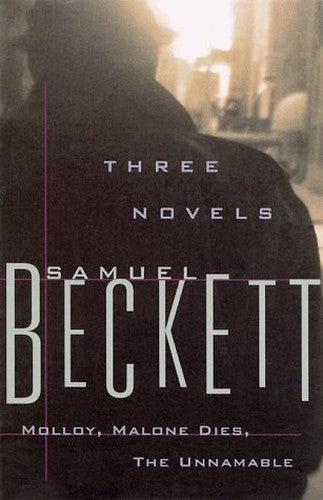
Three Novels by Samuel Beckett
The first novel of Samuel Beckett's mordant and exhilarating midcentury trilogy introduces us to Molloy, who has been mysteriously incarcerated, and who subsequently escapes to go discover the whereabouts of his mother. In the latter part of this curious masterwork, a certain Jacques Moran is deputized by anonymous authorities to search for the aforementioned Molloy. In the trilogy's second novel, Malone, who might or might not be Molloy himself, addresses us with his ruminations while in the act of dying. The third novel consists of the fragmented monologue-delivered, like the monologues of the previous novels, in a mournful rhetoric that possesses the utmost splendor and beauty-of what might or might not be an armless and legless creature living in an urn outside an eating house. Taken together, these three novels represent the high-water mark of the literary movement we call Modernism. Within their linguistic terrain, where stories are taken up, broken off, and taken up again, where voices rise and crumble and are resurrected, we can discern the essential lineaments of our modern condition, and encounter an awesome vision, tragic yet always compelling and always mysteriously invigorating, of consciousness trapped and struggling inside the boundaries of nature.
Samuel Beckett was born in Foxrock, Ireland, and attended Trinity University in Dublin. He was one of the most important literary and dramatic giants of the twentieth century. He first went to Paris in 1928, when he met a number of avant-garde writers and artists, including James Joyce. He moved to Paris permanently in 1937. Beckett wrote in both English and French, but his most well-known pieces are in the latter. He was a prolific writer of novels, short tales, and poems, but he is most known for his theater works, which adhere to the Theater of the Absurd tradition and are distinguished by their minimalist approach, stripping drama down to its fundamental essentials.
Beckett was given the Nobel Prize in Literature in 1969, praising him for transforming man's sorrow into his exaltation. Beckett died in 1989 in Paris. He said at the age of 76, With decreasing attention, loss of memory, and blurred intelligence... The more chances there are of stating something that is true to oneself, the better.
Even though everything appears inexpressible, the impulse to express persists. Even if it makes no logic, a child must build a sand castle. With only a few grains of sand, one has the greatest chance in old age. (Adapted from Playwrights at Work, edited by A.
George Plimpton, George Plimpton, George Plimpton, George Plimpton, George Plimpton, George P
| SKU | Unavailable |
| ISBN 13 | 9780802150912 |
| ISBN 10 | 0802150918 |
| Title | Three Novels |
| Author | Samuel Beckett |
| Series | Beckett Samuel Ser |
| Condition | Unavailable |
| Binding Type | Paperback |
| Publisher | Avalon Travel Publishing |
| Year published | 1994-01-18 |
| Number of pages | 414 |
| Cover note | Book picture is for illustrative purposes only, actual binding, cover or edition may vary. |
| Note | Unavailable |
Customers who bought this item also bought
-
 Theo of Golden
-
 Yesteryear: A GMA Book Club Pick
-
 Whistler
-
 The Five-Star Weekend
-
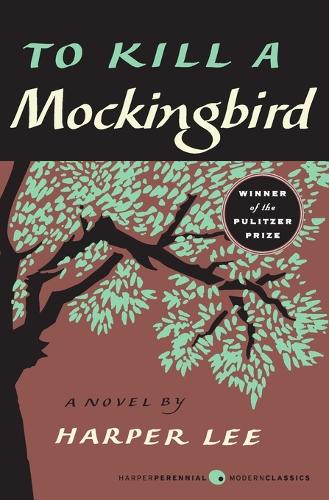 To Kill a Mockingbird
-
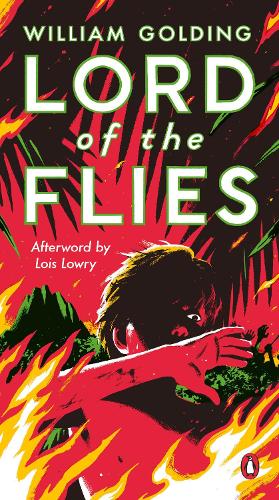 Lord of the Flies
-
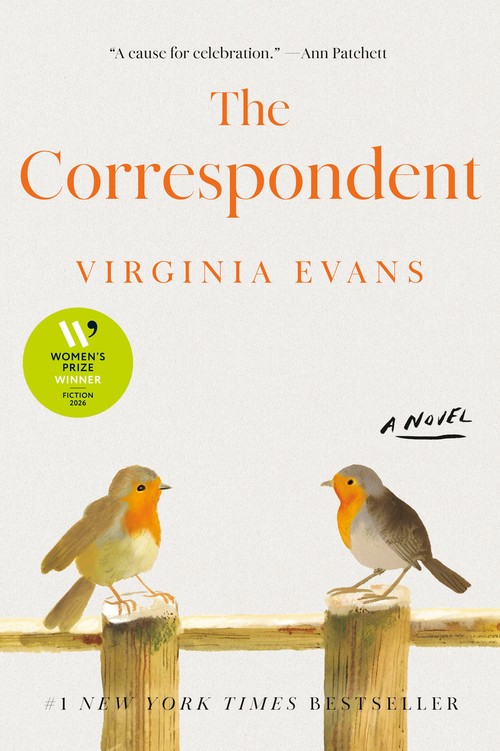 The Correspondent
-
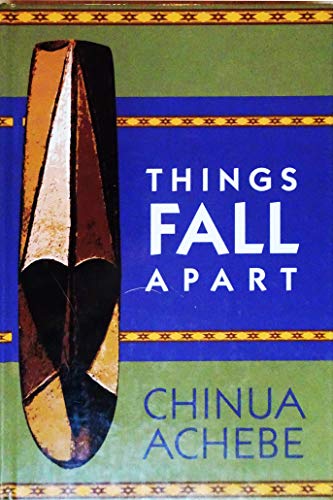 Inzone Books: Things Fall Apart
-
 The Alchemist, 25th Anniversary: A Fable About Following Your Dream
-
 Remarkably Bright Creatures
-
 The Country Road Murders
-
 The House on Mango Street
-
 The Divorce
-
 The Screwtape Letters
-
 Summer Island
-
 The Great Gatsby - Reader's Library Classic
-
 Things Fall Apart
-
 Libertie
-
 The Midnight Library: A GMA Book Club Pick
-
 The God of the Woods
-
 Kin: Oprah's Book Club
-
 Crime and Punishment
-
 The Girl Who Was Taken
-
 The Boyfriend
-
 Golden Son
-
 Land
Land
-
 Macbeth
-
 Never Let Me Go
-
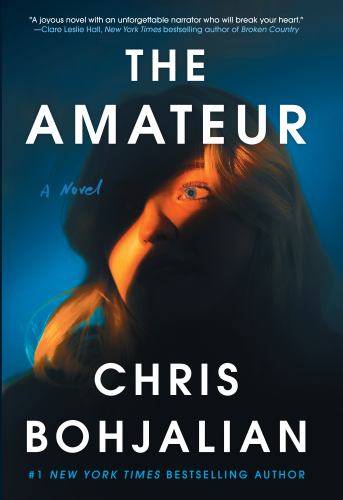 The Amateur
-
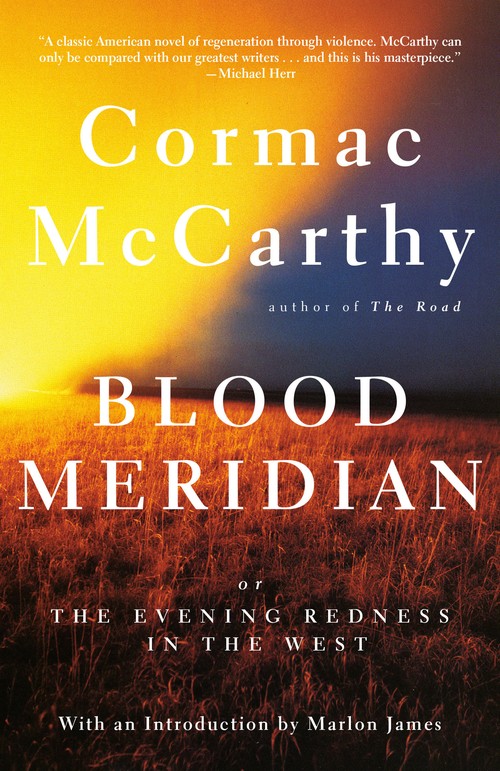 Blood Meridian
-
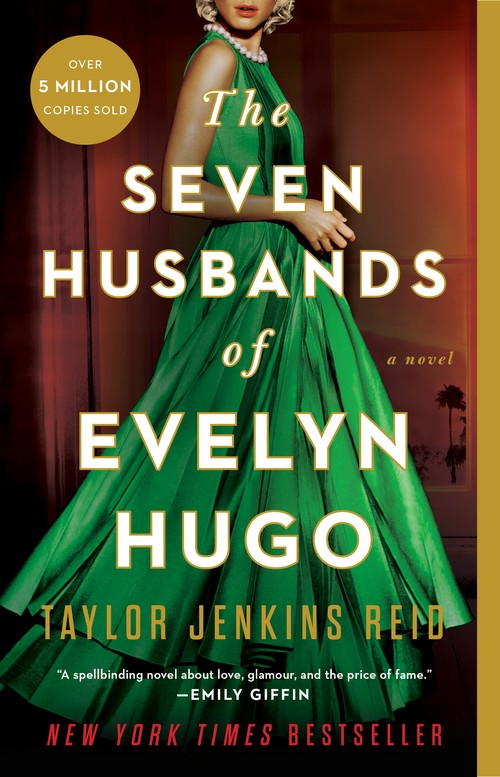 The Seven Husbands of Evelyn Hugo
-
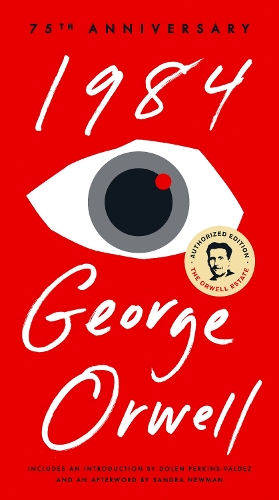 Nineteen Eighty-Four
-
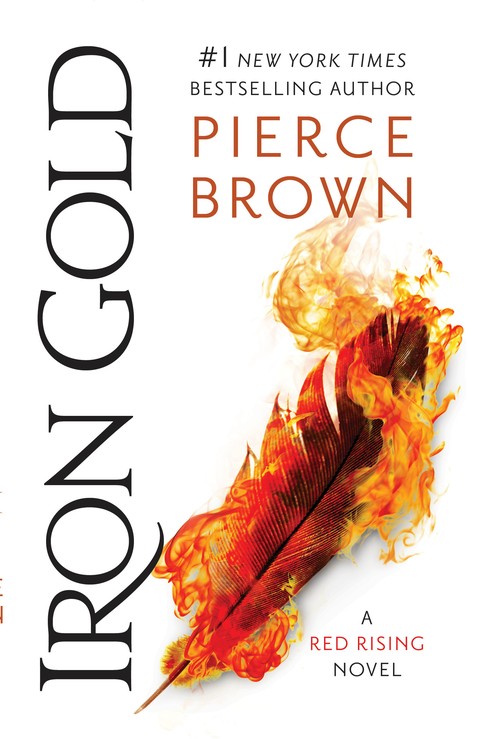 Iron Gold
-
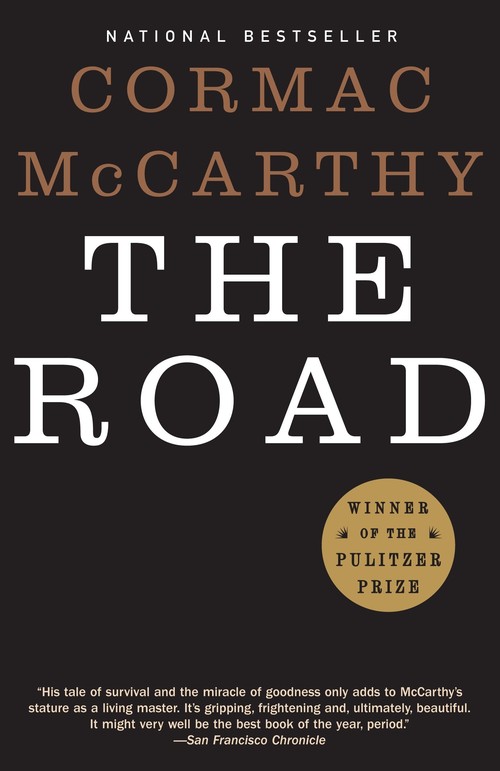 The Road
-
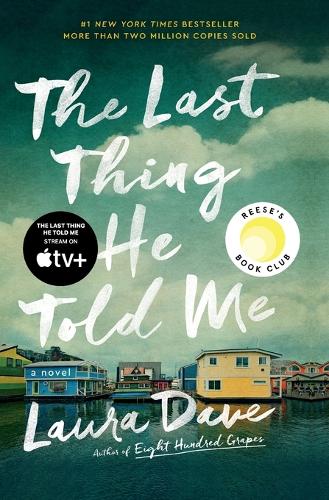 The Last Thing He Told Me
-
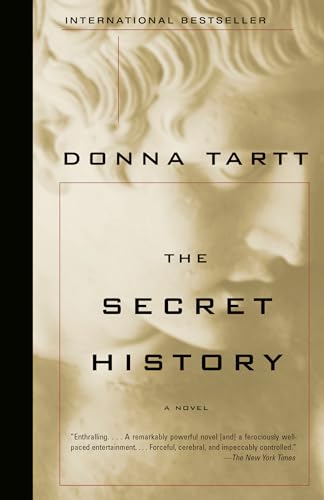 The Secret History
-
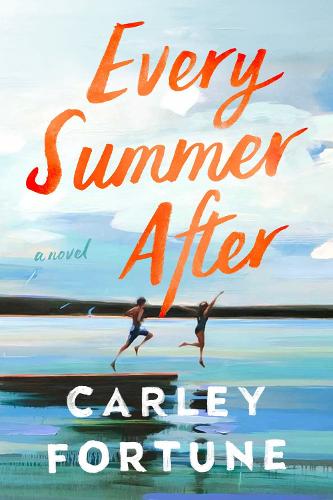 Every Summer After
-
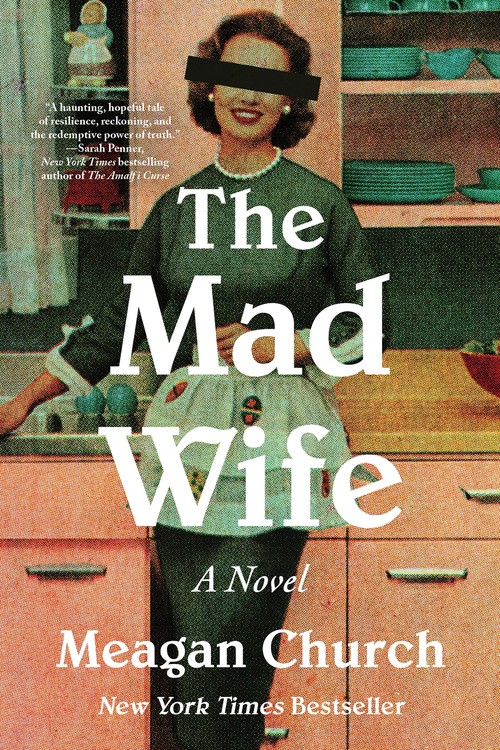 The Mad Wife
-
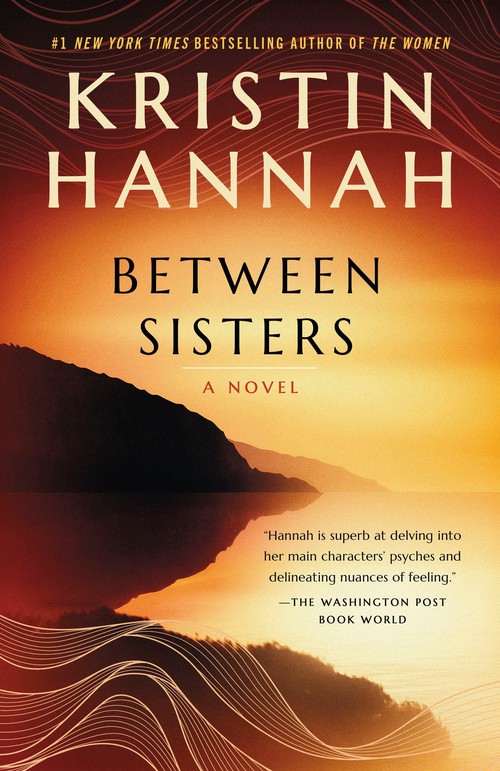 Between Sisters
-
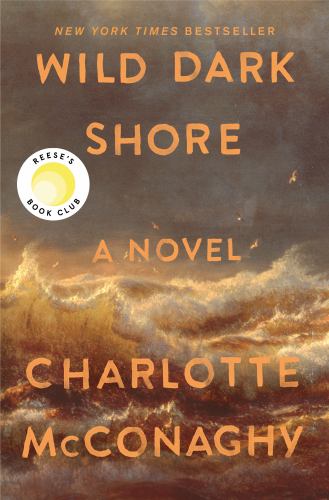 Wild Dark Shore
-
 Klara and the Sun: A GMA Book Club Pick
-
 The Five People You Meet in Heaven
-
 Everything Was Beautiful and Nothing Hurt
-
 Dear Debbie
-
 It Could Have Been Her
-
 Twenty Years Later
-
 The Four Winds
-
 The Seven Year Slip
-
 Our Perfect Storm
-
 The Curious Incident of the Dog in the Night-Time