


Wcc Exam Practice Questions by Mometrix Test Prep
Concerned with the fate of the minority in the age of the nation-state, Muslim political thought in modern South Asia has often been associated with religious nationalism and the creation of Pakistan. The Muslim Secular complicates that story by reconstructing the ideas of three prominent thinker-actors of the Indian freedom struggle: the Indian National Congress leader Abul Kalam Azad, the popular Kashmiri politician Sheikh Abdullah, and the nonviolent Pashtun activist Abdul Ghaffar Khan. Revising the common view that they were mere acolytes of their celebrated Hindu colleagues M.K. Gandhi and Jawaharlal Nehru, this book argues that these three men collectively produced a distinct Muslim secularity from within the grander family of secular Indian nationalism; an intellectual tradition that has retained religion within the public space while nevertheless preventing it from defining either national membership or the state. At a time when many across the decolonising world believed that identity-based majorities and minorities were incompatible and had to be separated out into sovereign equals, Azad, Abdullah, and Ghaffar Khan thought differently about the problem of religious pluralism in a postcolonial democracy. The minority, they contended, could conceive of the majority not just as an antagonistic entity that is set against it, but to which it can belong and uniquely complete. Premising its claim to a single, united India upon the universalism of Islam, champions of the Muslim secular mobilised notions of federation and popular sovereignty to replace older monarchical and communitarian forms of power. But to finally jettison the demographic inequality between Hindus and Muslims, these thinkers redefined equality itself. Rejecting its liberal definition for being too abstract and thus prone to majoritarian assimilation, they replaced it with their own rendition of Indian parity to simultaneously evoke commonality and distinction between Hindu and Muslim peers. Azad, Abdullah, and Ghaffar Khan achieved this by deploying a range of concepts from profane inheritance and theological autonomy to linguistic diversity and ethical pledges. Retaining their Muslimness and Indian nationality in full, this crowning notion of equality-as-parity challenged both Gandhi and Nehru's abstractions and Mohammad Ali Jinnah's supposedly dangerous demand for Pakistan.You might also like
-
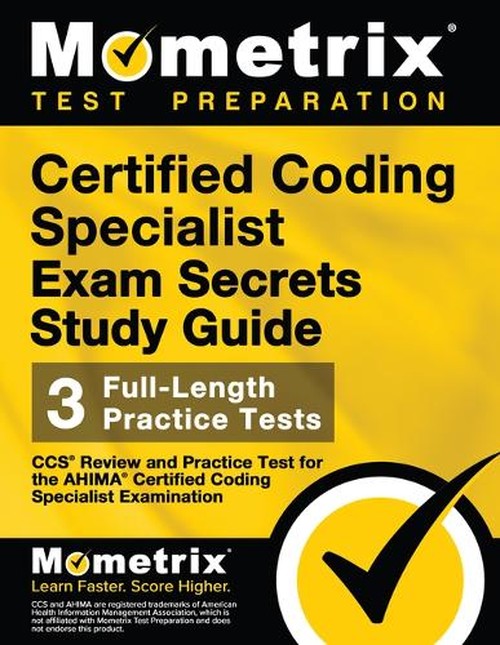 Certified Coding Specialist Exam Secrets Study Guide
-
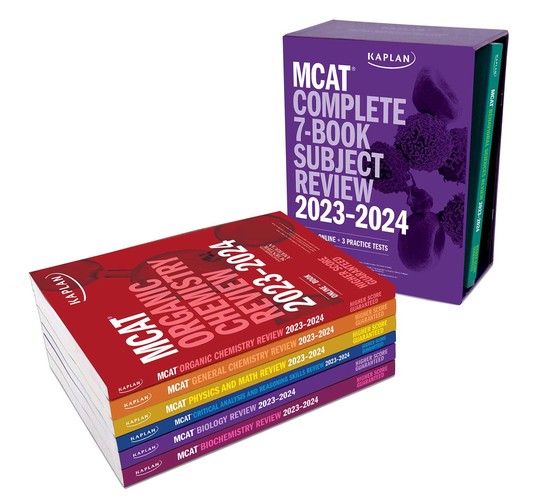 MCAT Complete 7-Book Subject Review 2023-2024, Set Includes Books, Online Prep, 3 Practice Tests
-
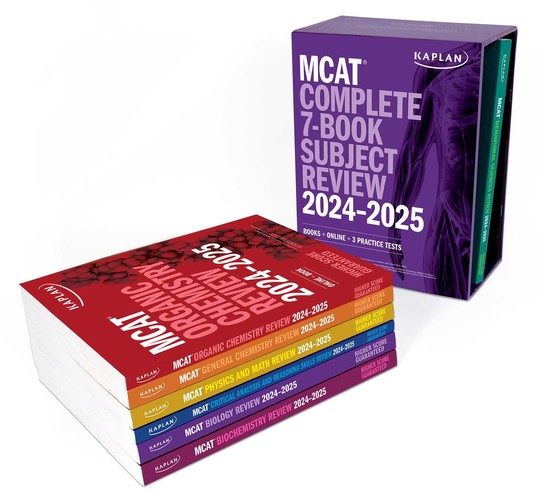 MCAT Complete 7-Book Subject Review 2024-2025, Set Includes Books, Online Prep, 3 Practice Tests
-
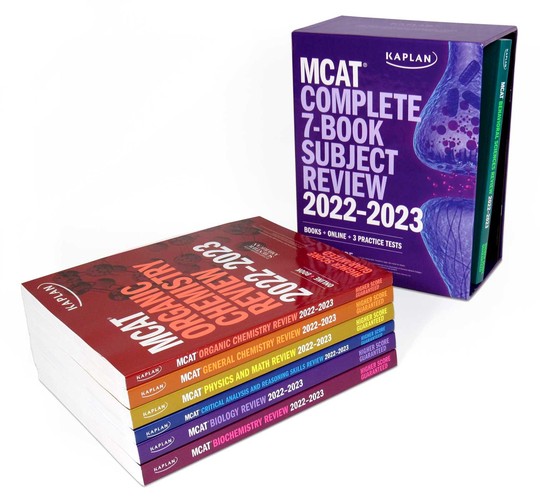 MCAT Complete 7-Book Subject Review 2022-2023
-
 MCAT 528 Advanced Prep 2023-2024
-
 Sterling Test Prep MCAT Organic Chemistry & Biochemistry Practice Questions
-
 Abim Exam Secrets Study Guide
-
 Cct Exam Secrets Study Guide
-
 Cpft Exam Secrets Study Guide
-
 RHIT Exam Secrets Study Guide
-
 RHIA Exam Secrets Study Guide
-
 National Certified Medical Assistant Exam Secrets Study Guide
-
 Secrets of the Cda Exam Study Guide - Danb Test Review for the Certified Dental Assistant Examination
-
 Dietetic Technician, Registered Exam Secrets Study Guide
-
 Npte Secrets Study Guide - Npte Exam Review for the National Physical Therapy Examination
-
 Ccma Exam Secrets Study Guide
-
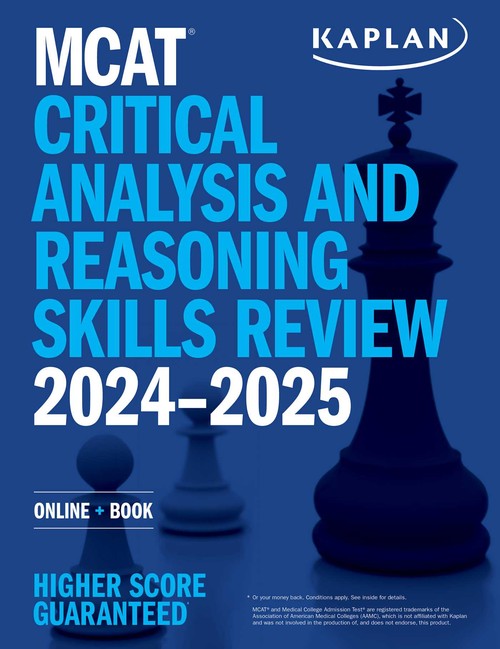 MCAT Critical Analysis and Reasoning Skills Review 2024-2025
-
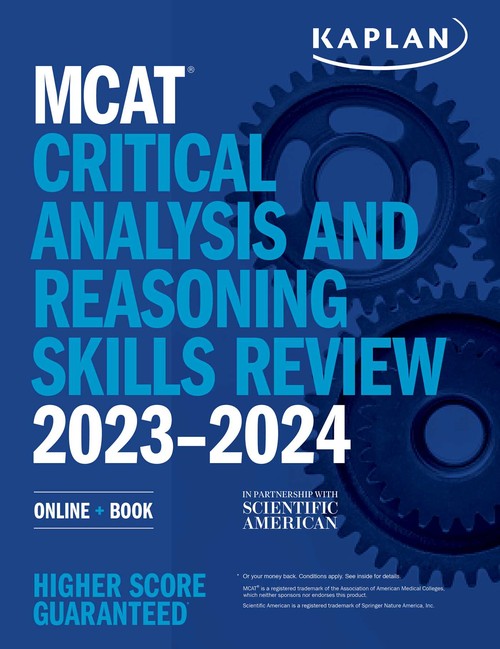 MCAT Critical Analysis and Reasoning Skills Review 2023-2024
-
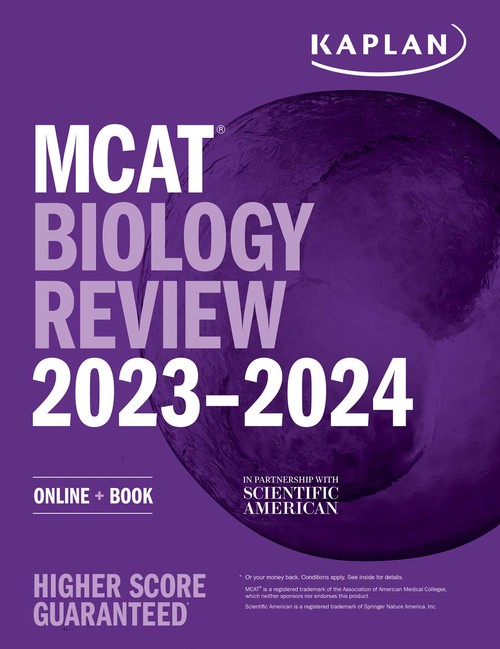 MCAT Biology Review 2023-2024
-
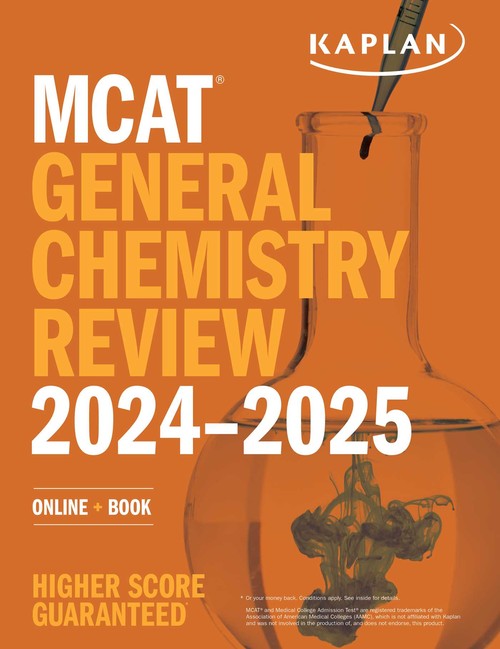 MCAT General Chemistry Review 2024-2025
| SKU | Unavailable |
| ISBN 13 | 9781516712380 |
| ISBN 10 | 1516712382 |
| Title | Wcc Exam Practice Questions |
| Author | Mometrix Test Prep |
| Condition | Unavailable |
| Binding Type | Paperback |
| Publisher | Mometrix Media LLC |
| Year published | 2020-02-28 |
| Number of pages | 80 |
| Cover note | Book picture is for illustrative purposes only, actual binding, cover or edition may vary. |
| Note | Unavailable |
Customers who bought this item also bought
-
 Where There Is No Doctor
-
 Test Success
-
 LANGE Q&A Surgical Technology Examination, Eighth Edition
-
 Acupuncture Points Handbook
-
 A Comprehensive Review for the Certification and Recertification Examinations for PAs
-
 medEssentials for the USMLE Step 1
-
 EMT Flashcard Book, 4th Ed.
-
 Marks' Basic Medical Biochemistry
-
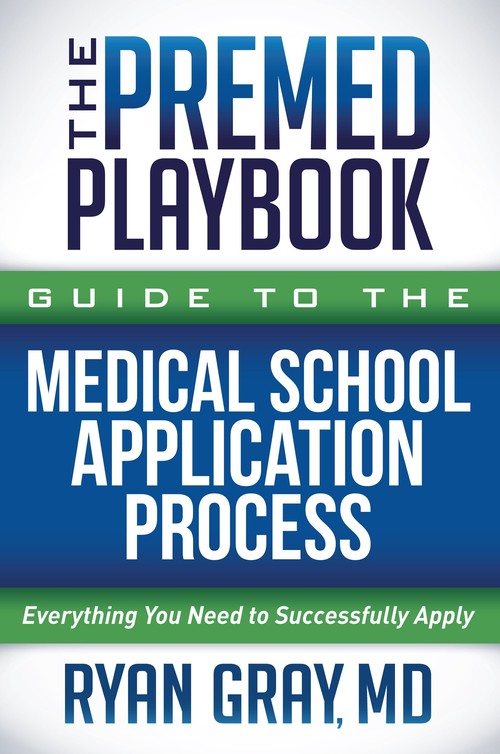 The Premed Playbook Guide to the Medical School Application Process
-
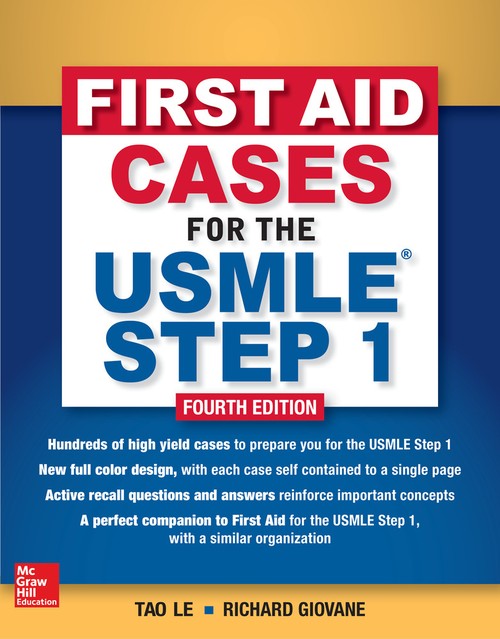 First Aid Cases for the USMLE Step 1, Fourth Edition
-
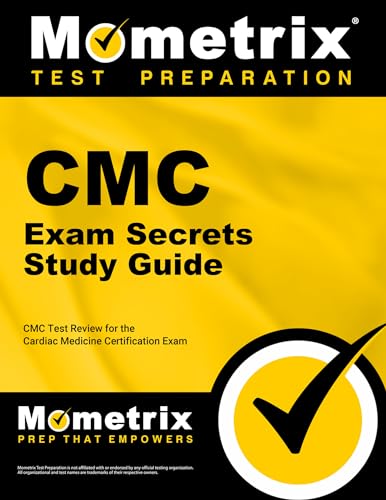 CMC Exam Secrets Study Guide
-
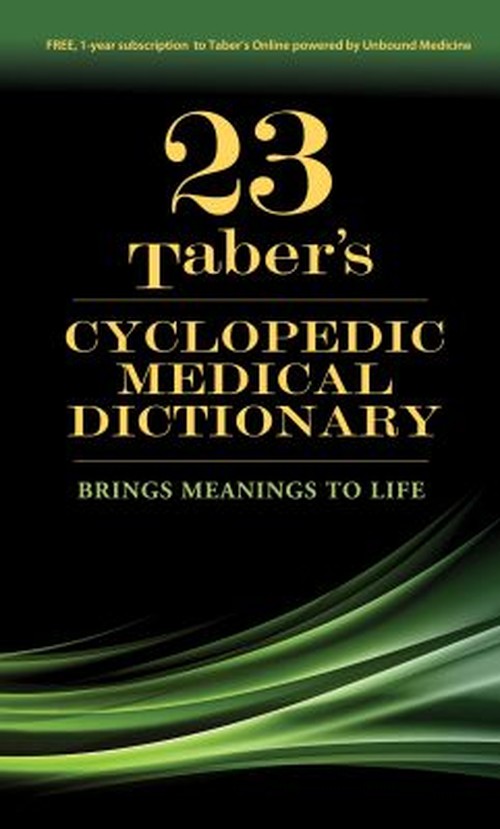 Taber's Cyclopedic Medical Dictionary
-
 First Aid for the Basic Sciences: Organ Systems, Third Edition
-
MCAT Complete 7-Book Subject Review 2023-2024, Set Includes Books, Online Prep, 3 Practice Tests
-
 Secrets of the Infection Control Exam Study Guide
-
 Secrets of the CST Exam Study Guide
-
 Gray's Anatomy Review
-
National Certified Medical Assistant Exam Secrets Study Guide
-
 How to Study for Standardized Tests
-
 First Aid for the Basic Sciences: General Principles, Third Edition
-
 Nclex-RN Drug Guide: 300 Medications You Need to Know for the Exam
-
 Examkrackers MCAT 1001 Questions: Chemistry
-
 Multiple Mini Interview (MMI) for the Mind
-
RHIT Exam Secrets Study Guide
-
 MCAT Psychology and Sociology Review, 2nd Edition
-
 Nurse Practitioner Certification Examination and Practice Preparation
-
 First Aid for the Surgery Clerkship, Third Edition
-
 Nursing: Chemistry
-
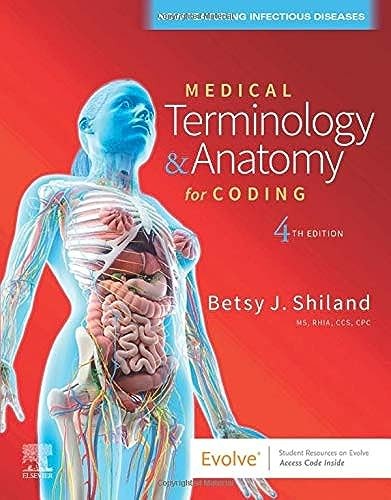 Medical Terminology & Anatomy for Coding
-
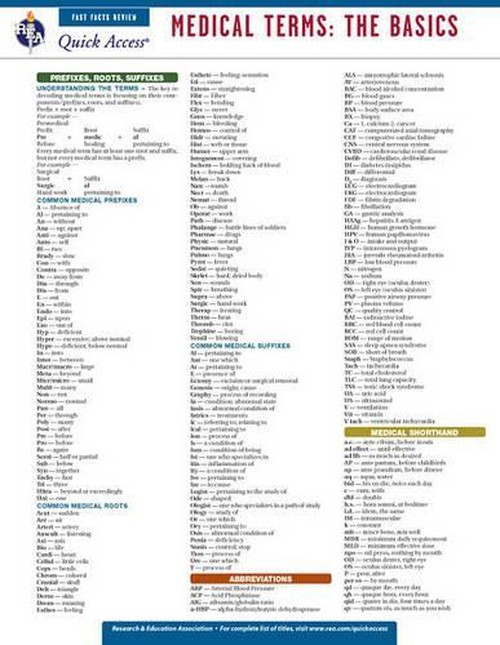 Medical Terms: The Basics - Rea's Quick Access Reference Chart
-
 MCAT Biology Review 2021-2022
-
 BRS Gross Anatomy
-
 The Language of Medicine
-
 The Premed Playbook Guide to the MCAT
-
 RPSGT Exam Secrets Study Guide
-
 Medical Terminology Express
-
 The Doctor's Ultimate Guide to Contracts and Negotiations
-
 PANRE Prep Review
-
 Structure of the Human Brain
-
 CPHQ Exam Secrets Study Guide
-
MCAT Complete 7-Book Subject Review 2024-2025, Set Includes Books, Online Prep, 3 Practice Tests
-
 Stedman's Medical Abbreviations, Acronyms & Symbols
-
 Clinical Communication Skills in Medicine
-
 The Color Atlas of Human Anatomy
-
 The Practitioner's Pocket Pal
-
 ASCP Phlebotomy Exam Secrets Study Guide
-
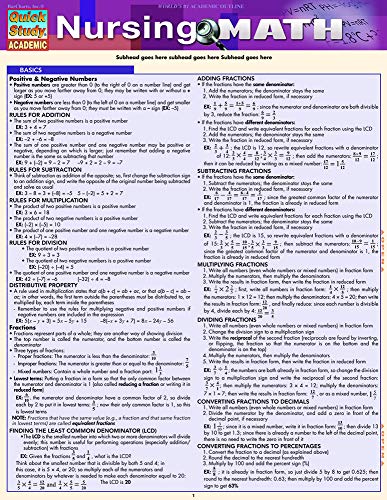 Nursing Math
-
 National Certified Phlebotomy Technician Exam Secrets Study Guide
-
 Occupational Therapist Exam Secrets Study Guide
-
 Pediatric Hospital Medicine