Computability and Complexity by Rod Downey
This is a book about computation, something which is ubiquitous in the modern world. More precisely, it examines computability theory and computational complexity theory. Computability theory is the part of mathematics and computer science which seeks to clarify what we mean by computation or algorithm. When is there a computational solution possible to some question? How can we show that none is possible? How computationally hard is the question we are concerned with? Arguably, this area lead to the development of digital computers. (Computational) complexity theory is an intellectual heir of computability theory. Complexity theory is concerned with understanding what resources are needed for computation, where typically we would measure the resources in terms of time and space. Can we perform some task in a feasible number of steps? Can we perform some algorithm with only a limited memory? Does randomness help? Are there standard approaches to overcoming computational difficulty?
-
 Modelling Computing Systems
-
 Sets, Logic and Maths for Computing
-
 Principles of Digital Image Processing
-
 Introduction to Artificial Intelligence
-
 A First Introduction to Quantum Computing and Information
-
 Introduction to Data Science
-
 A Practical Approach to Compiler Construction
-
 A Concise Introduction to Languages and Machines
-
 Fundamentals of Discrete Math for Computer Science
-
 Data Structures and Algorithms with Python
-
 Mathematics for Computer Graphics
-
 A Beginners Guide to Python 3 Programming
-
 Philosophical and Cultural Aspects of Computing
-
 Principles of Data Mining
-
 Pattern Recognition
-
 Introduction to Deep Learning
-
 Financial Software Engineering
-
 Guide to Competitive Programming
-
 Advanced Guide to Python 3 Programming
-
 Introduction to Medical Image Analysis
-
 Introduction to Video and Image Processing
-
 Introduction to Software Quality
-
 Multicore Programming Using the ParC Language
-
 Introduction to HPC with MPI for Data Science
-
 Object-Oriented Programming Languages: Interpretation
-
 Introduction to Parallel Computing
-
 Concise Guide to Databases
-
 Human-Centred Scientific Data Visualisation
-
 Guide to Using Generative AI in Programming
-
 Programming in HTML and PHP
-
 Introduction to Cryptographic Definitions
-
 Proofs and Algorithms
-
 Introduction to Software Process Improvement
-
 Rigorous Software Development
-
 Sensing and Systems in Pervasive Computing
-
 Autonomic Computing
-
 OCaml Scientific Computing
-
 Applied Logic for Computer Scientists
-
 Basic Graph Theory


“The textbook achieves a balance between theoretical concepts and numerous examples and exercises, scattered efficiently throughout the chaptersSolutions and hints to the exercises are also included. The comprehensive set of references also increases the usefulness of the book. Due to its structure, it is suitable for a wide range of audiences, from students to researchers, and it represents a fundamental stepping stone towards expanding knowledge in the field.” (Irina Ioana Mohorianu, zbMATH 1555.68005, 2025)
Rodney Downey is an Emeritus Professor at Victoria University of Wellington, NZ. He is the co-author of the Springer books, Fundamentals of Parameterized Complexity, and Algorithmic Randomness and Complexity. He has won many prizes for his work, including (twice) the Shoenfield Prize for writing, as well as the Rutherford Medal, New Zealand’s premier science award.
| SKU | Unavailable |
| ISBN 13 | 9783031537431 |
| ISBN 10 | 3031537432 |
| Title | Computability and Complexity |
| Author | Rod Downey |
| Series | Undergraduate Topics In Computer Science |
| Condition | Unavailable |
| Binding Type | Paperback |
| Publisher | Springer International Publishing AG |
| Year published | 2024-05-11 |
| Number of pages | 346 |
| Cover note | Book picture is for illustrative purposes only, actual binding, cover or edition may vary. |
| Note | Unavailable |
Customers who bought this item also bought
Python Crash Course, 3rd Edition
Build a Large Language Model (From Scratch)
Hands-On Large Language Models
Designing Machine Learning Systems
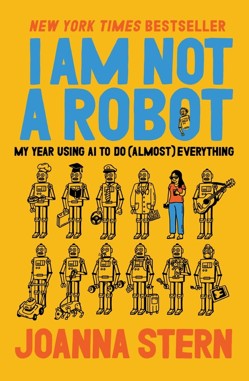
I Am Not a Robot
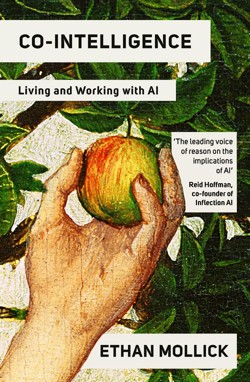
Hands-On Machine Learning with Scikit-Learn, Keras, and TensorFlow 3e
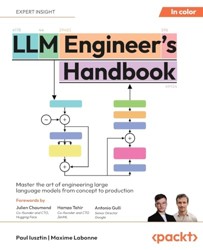
LLM Engineer's Handbook
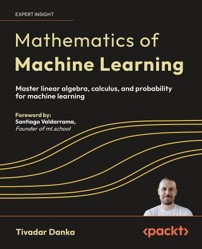
Mathematics of Machine Learning
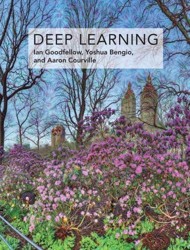
Deep Learning
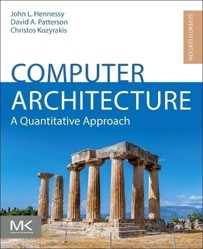
Computer Architecture

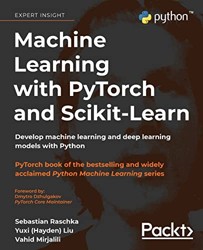

Advances in Financial Machine Learning
Elements of Programming Interviews in Python
Pattern Recognition and Machine Learning
Writing AI Prompts For Dummies
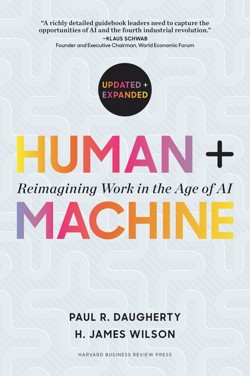
Human + Machine, Updated and Expanded
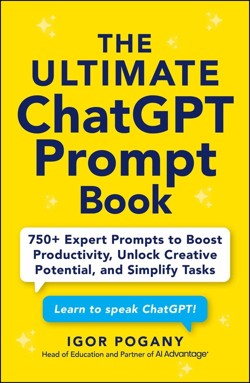
The Ultimate ChatGPT Prompt Book
Rust Atomics and Locks
Platform Engineering
Data-Driven Science and Engineering
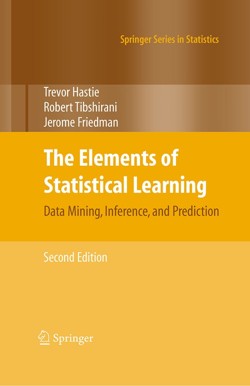
The Elements of Statistical Learning
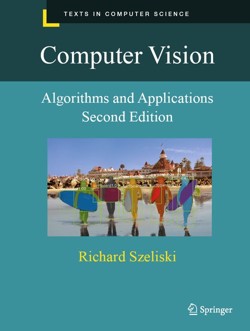
Computer Vision
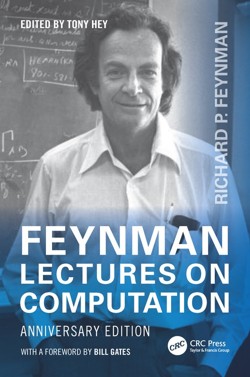
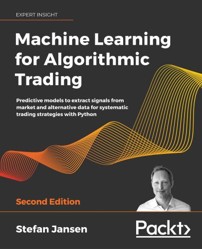
Machine Learning for Algorithmic Trading
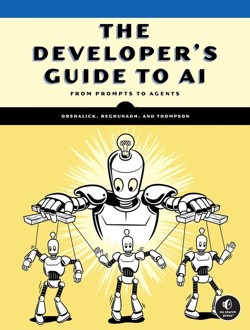
The Developer's Guide to AI
Human Edge in the AI Age
A A Thousand Brains
The Annotated Turing

Dark Aeon
Deep Learning


A A Thousand Brains