


Enchiridion by Epictetus
A summary of the teachings of the slave-turned-Stoic philosopher Epictetus (first century AD). It has played a significant role in the development of modern philosophy and intellectual attitudes, showing thinkers how sound reasoning can free them from the shackles of absolutism and emotionalism and, in so doing, live a more productive life.You might also like
-
 The Discourses of Epictetus
-
 Human Purpose & the Universal Pursuit of Ecstasy
-
 Questions That Matter
-
 Philosophers
-
 Egyptian Yoga
-
 The Heart of William James
-
 The Principles of Psychology, Vol. 2
-
 Pragmatism
-
 The Meaning of Truth
-
 The Discourses of Epictetus (Book 1) - From Lesson To Action!
-
 The Philosophy Book
-
 Studying Philosophy:a Guide for the Perplexed
-
 A History of Western Philosophy
-
 The Meaning of Truth (Concise Edition)
-
 The Varieties of Religious Experience
-
 Discourses and Selected Writings
-
 How to Be Free
-
 How To Be a Stoic
-
 The Handbook (The Encheiridion)
-
 Discourses Bks 3&4
EPICTETUS was born the son of a slave woman about 55 CE in the city of Hieropolis in Phrygia. He went to Rome as the slave of the freedman Epaphroditus, who held the distinguished post of secretary to the emperor Nero and later to Domitian. Epaphroditus allowed Epictetus to attend the lectures of the Stoic philosopher Musonius Rufus, who was impressed by the young slave and trained him to be a Stoic philosopher. After being freed by Epaphroditus, Epictetus began to teach philosophy at Rome. In 89, when the emperor Domitian banished all phi-losophers from the capital, Epictetus traveled to Nicopolis in Epirus (northwest Greece). There he opened his own school, giving lectures which attracted many students and followers, including the historian Arrian, who collected his master's lectures, probably in eight books, of which four survive. Arrian later compiled a summary of Epictetus' philosophy in the famed Enchiridion, or Handbook. The Enchiridion is a brief introductory manual on how to transform Stoicism into a way of life. In it are covered rules for proper social and sexual conduct, and for true thinking. Part of right thinking entails knowing how to distinguish that which we can change from that which we cannot. Our lives are subject to many intractables: the vagaries of health and fortune, and, finally, death. But we retain the power to control our thinking, passions, and decisions. In this way we can come to terms with our environment, and thus free ourselves from a world of chance and dependencies. Epictetus was one of the most important Stoic phi-losophers of the first century CE, along with Seneca, Lucius Annaeus Cornutus, and Musonius Rufus. Stoicism's em-phasis on reason, austerity, and self-control continued to appeal to sober-minded individuals during the next century (the emperor Marcus Aurelius being Stoicism's most dis-tinguished late exponent), before fading as a school in the third century CE. Nevertheless, the works of Epictetus as compiled by Arrian have played an influential role in the development of the modern philosophies of rationalism and secularism. Epictetus died about 135 CE.
| SKU | Unavailable |
| ISBN 13 | 9780879757038 |
| ISBN 10 | 0879757035 |
| Title | Enchiridion |
| Author | Epictetus |
| Series | Great Books In Philosophy Ser |
| Condition | Unavailable |
| Binding Type | Paperback |
| Publisher | Prometheus Books |
| Year published | 1991-12-01 |
| Number of pages | 43 |
| Cover note | Book picture is for illustrative purposes only, actual binding, cover or edition may vary. |
| Note | Unavailable |
Customers who bought this item also bought
-
Discourses and Selected Writings
-
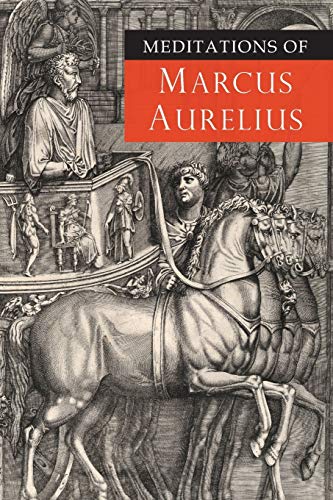 Meditations of Marcus Aurelius
-
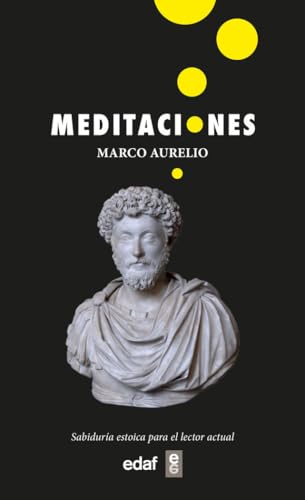 Meditaciones (Edaf)
-
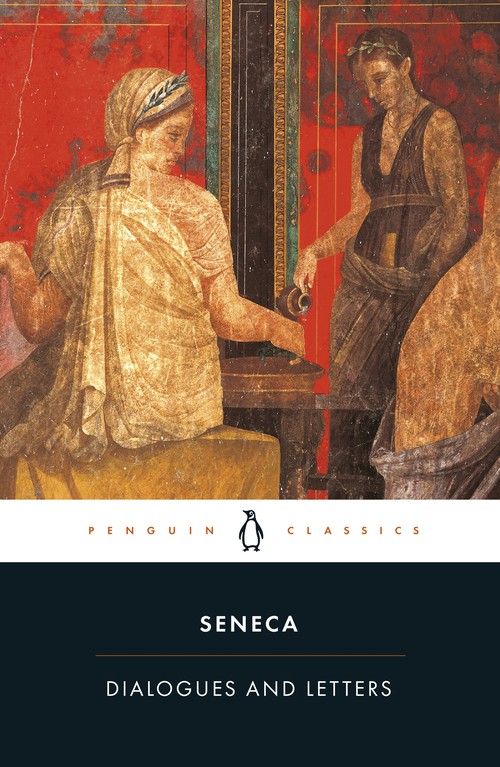 Dialogues and Letters
-
 Thus Spoke Zarathustra
-
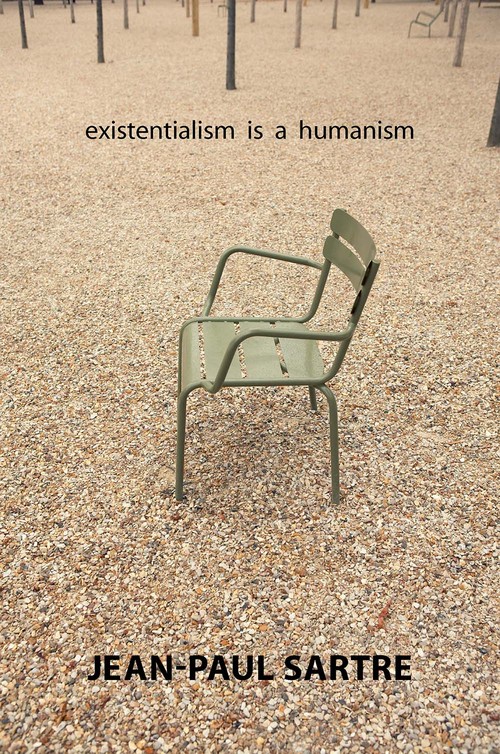 Existentialism Is a Humanism
-
 The 48 Laws of Power
-
 Plato: Five Dialogues
-
 Meditations
-
 Ikigai
-
 Meditations
-
 Marcus Aurelius - Meditations
-
 The Boy, the Mole, the Fox and the Horse
-
 The Boy, the Mole, the Fox and the Horse Deluxe (Yellow) Edition
-
 Republic
-
 The Fallacy Detective
-
 The Power of Your Subconscious Mind
-
 The Righteous Mind
-
 Meditations
-
 Republic
-
 Justice
-
 The Abolition of Man
-
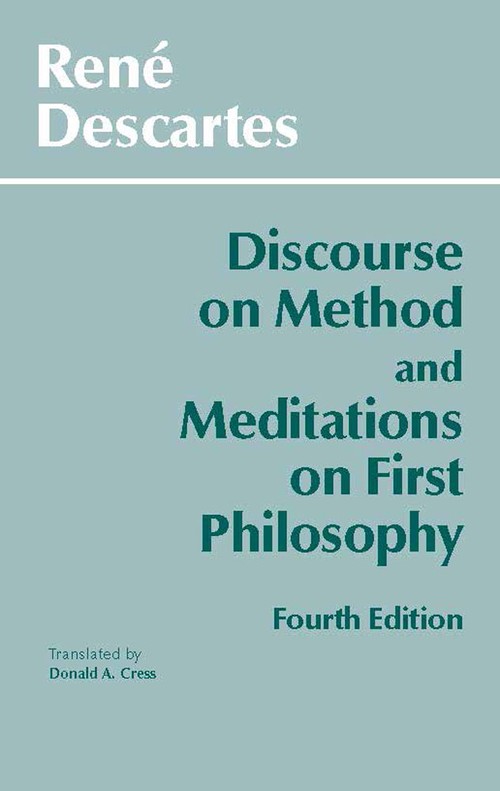 Discourse on Method and Meditations on First Philosophy
-
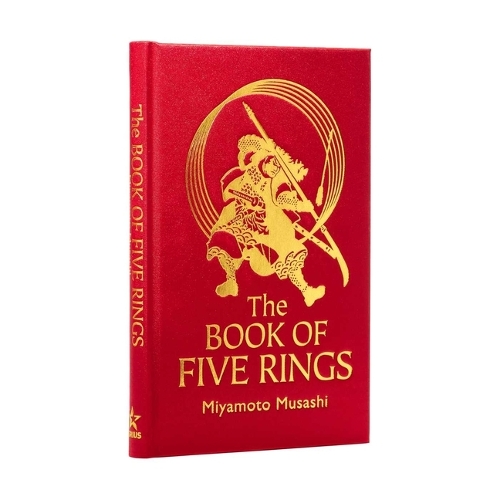 The Book of Five Rings
-
 My Grandmother's Hands
-
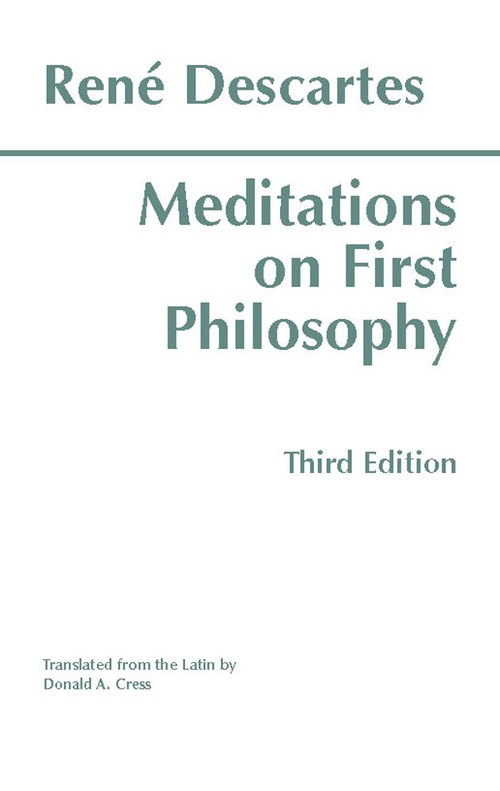 Meditations on First Philosophy
-
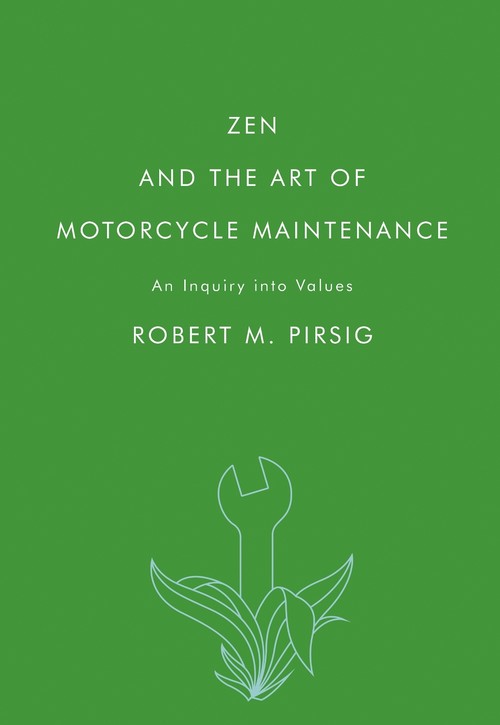 Zen and the Art of Motorcycle Maintenance
-
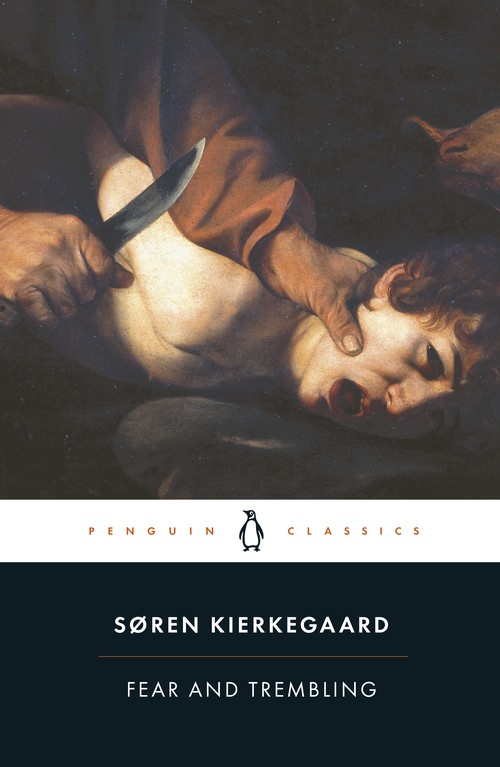 Fear and Trembling
-
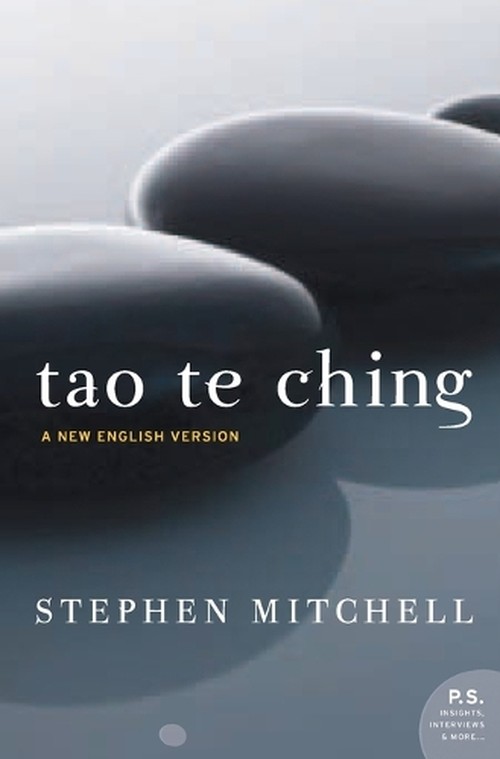 Tao Te Ching
-
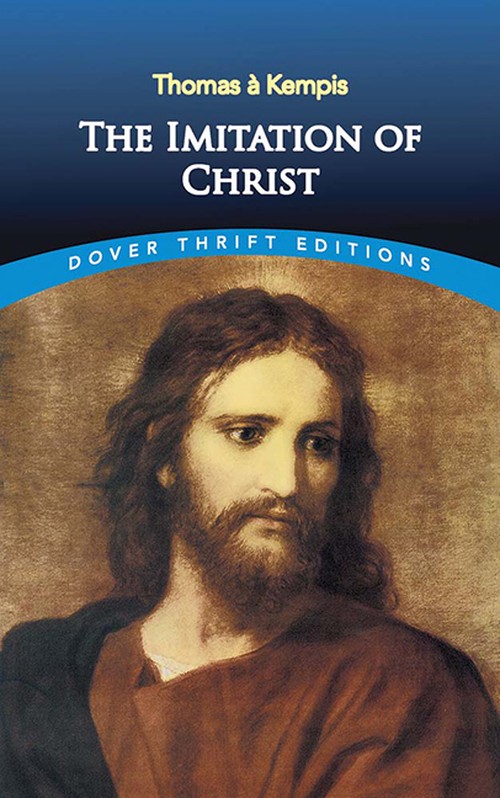 The Imitation of Christ
-
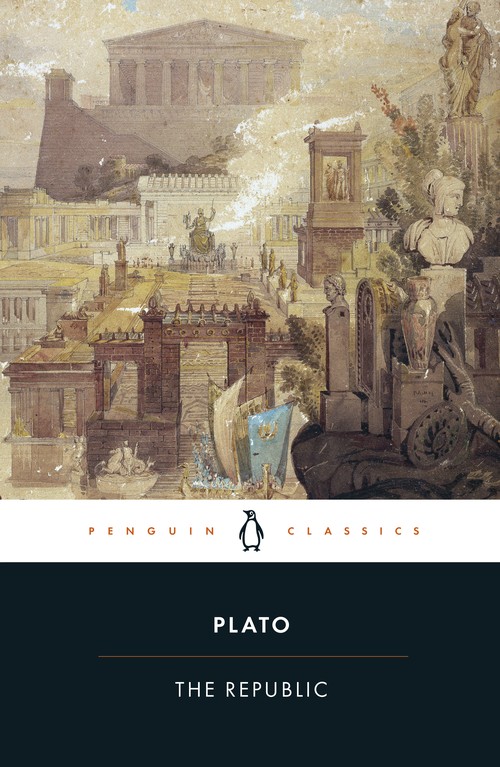 The Republic
-
 City of God
-
 The Score
-
 The Consolation of Philosophy
-
 Beyond Good and Evil
-
 Antifragile
-
 The Republic of Plato
-
 The Trial and Death of Socrates
-
 The Utilitarianism
-
 The Thinking Toolbox
-
 The Tibetan Book of the Dead
-
 Why Buddhism Is True
-
 Big Panda and Tiny Dragon
-
 God, the Science, the Evidence
-
 My Big TOE Awakening Discovery Inner Workings
-
 The True Believer
-
 Selected Writings
-
![Zen and the Art of Motorcycle Maintenance [50th Anniversary Edition]](https://image-server.worldofbooks.com/images/9780063342330.jpg) Zen and the Art of Motorcycle Maintenance [50th Anniversary Edition]
Zen and the Art of Motorcycle Maintenance [50th Anniversary Edition]
-
 A Concise Introduction to Logic
-
 Aesthetics