


The Queer Uncanny by Paulina Palmer
This volume investigates the roles played by the concept of the uncanny, as defined by Sigmund Freud and other theorists, in the representation of lesbian and male gay sexualities and transgender in a selection of contemporary British, American and Caribbean fiction published 1980-2007.You might also like
Crime and Punishment
Loading...
The Iliad
Loading...
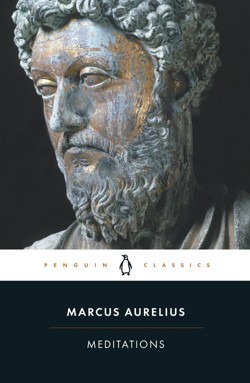
Meditations
Loading...
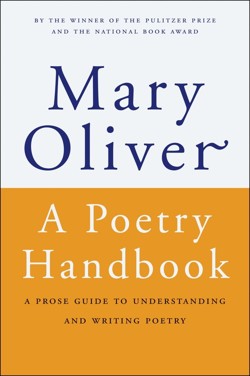
A Poetry Handbook
Loading...
![How to Read Literature Like a Professor [Third Edition]](https://image-server.worldofbooks.com/images/9780063307742_thumbnail.jpg)
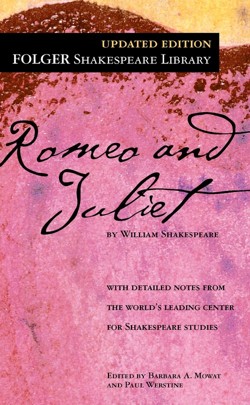
Romeo and Juliet
Loading...
Romeo and Juliet (No Fear Shakespeare)
Loading...

The World of Ice and Fire
Loading...
The Iliad of Homer
Loading...

-
 History of the Gothic: American Gothic
-
 History of the Gothic: Gothic Literature 1764-1824
-
 History of the Gothic: Gothic Literature 1825-1914
-
 Welsh Gothic
-
 Queer Others in Victorian Gothic
-
 History of the Gothic: Twentieth-Century Gothic
-
 Romantic Medicine and the Gothic Imagination
-
 Theological Monsters
-
 Postcolonial Gothic Fictions from the Caribbean, Canada, Australia and New Zealand
-
 The Gothic Ideology
-
 Metamodern Gothic
-
 Women's Authorship and the Early Gothic
-
 Gothic Literary Travel and Tourism
-
 Servants and the Gothic, 1764-1831
-
 American Gothic Art and Architecture in the Age of Romantic Literature
-
 The Gothic and the Carnivalesque in American Culture
-
 South African Gothic
-
 Gothic Utterance
-
 Women's Ghost Literature in Nineteenth-Century Britain
-
 Posthuman Gothic
-
 Wilkie Collins, Medicine and the Gothic
-
 Body Gothic
-
 The Twilight of the Gothic?
-
 The Fantastic and European Gothic
-
 Gothic Invasions
-
 Stephen King's Gothic
-
 The Gothic and Catholicism
-
 Republicanism and the American Gothic
-
 Shakespearean Gothic
-
 George Eliot and the Gothic Novel
-
 Gothic Chapbooks, Bluebooks and Shilling Shockers, 1797-1830
-
 Gothic Metaphysics
-
 The Nature of the Beast
-
 Gothic Contemporaries
-
 Gothic Remains
-
 The Brontës as Gothic Writers
-
 The Gothic at War
-
 Gothic Metis
-
 Gothic Precarity


Palmer's argument is clear: the uncanny has provided fertile ground for writers attempting to negotiate the intricacies of the queer experienceFor that reason, The New Uncanny is not only an interesting intervention in Gothic scholarship, but also to queer literary criticism. Proving that queer writing is very much in currency, Palmer manages to impress the urgency of such writing and the need to recast its relation to the uncanny as not tangential but endemic to queer existence. She proposes in her conclusion that, whilst concerned with similar ideas, lesbian and male gay writing generally avoid combined portrayals of queer desire, and that, as a result of queer influence, the two might merge and interrelate. Xavier Aldana Reyes, The Gothic Imagination
Dr Paulina Palmer has now retired from a senior lectureship in English at Warwick University, where she helped establish the Women's Studies MA, she also lectured for the MA in Gender and Sexuality at Birkbeck, London University. Dr Palmer's publications include Contemporary Women's Fiction: Narrative Practice and Feminist Theory; Contemporary Lesbian Writing: Dreams, Desire, Difference; and Lesbian Gothic: Transgressive Fictions. http://www.paulinapalmer.org.uk
| SKU | Unavailable |
| ISBN 13 | 9780708324592 |
| ISBN 10 | 0708324592 |
| Title | The Queer Uncanny |
| Author | Paulina Palmer |
| Series | Gothic Literary Studies |
| Condition | Unavailable |
| Binding Type | Paperback |
| Publisher | University of Wales Press |
| Year published | 2012-01-15 |
| Number of pages | 256 |
| Cover note | Book picture is for illustrative purposes only, actual binding, cover or edition may vary. |
| Note | Unavailable |
Customers who bought this item also bought
Crime and Punishment
Loading...
The Iliad
Loading...
Meditations
Loading...
A Poetry Handbook
Loading...
Romeo and Juliet
Loading...
Romeo and Juliet (No Fear Shakespeare)
Loading...
The World of Ice and Fire
Loading...
The Iliad of Homer
Loading...
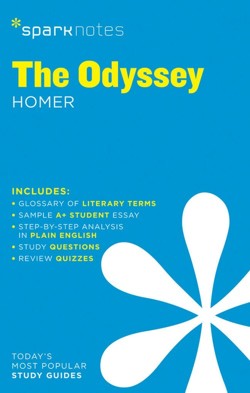
The Odyssey SparkNotes Literature Guide
Loading...

The Prince
Loading...
Absent
Loading...

Existentialism Is a Humanism
Loading...
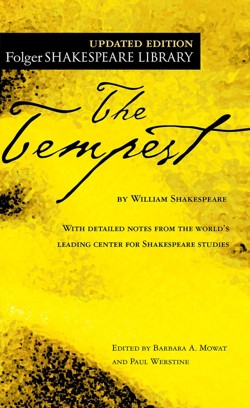



The Wind in the Willows
Loading...
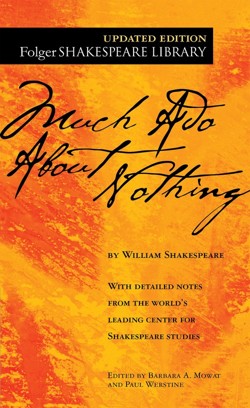
Much Ado About Nothing
Loading...

The Best Part of Me
Loading...
The Merchant of Venice
Loading...

Twelfth Night
Loading...
Hamlet
Loading...

A Hobbit, a Wardrobe, and a Great War
Loading...
Macbeth (No Fear Shakespeare)
Loading...

Othello
Loading...


Julius Caesar (No Fear Shakespeare)
Loading...

The Essential Iliad
Loading...