Enabling Technologies for Smart Fog Computing by Kuldeep Singh Kaswan
Fog computing is a decentralized computing infrastructure in which computing resources are located between the data source and the cloud or any other data centers. The word "fog" refers to its cloud-like properties, which are closer to the "ground", using edge devices that carry out locally computation, storage and communication tasks. An additional benefit is that the processed data is likely to be needed by the same devices that generated the data. By processing locally rather than remotely, the latency between input and response are minimized. This technology has countless application domains such as industrial process control, smart cities, transportation, healthcare and agriculture.
In this book, all the important topics in fog computing systems are covered, including energy efficiency, quality of service (QoS) issues, reliability and fault tolerance, load balancing, and scheduling. Special attention is devoted to emerging trends and industry needs associated with utilizing mobile edge computing, internet of things (IoT), resource estimation as well as virtualization in the fog computing environment. Current research on automation, robotics, data privacy, security and trust in fog computing is explored in depth. The book also discusses emerging techniques including deep learning, mobile edge computing, smart grid and intelligent transportation systems beyond theoretical and foundational concepts for smart applications including real time traffic surveillance, interoperability of fog computing architecture and smart homes and smart cities.
Intended for an audience of researchers from academia and industry, as well as lecturers, engineers and advanced students, Enabling Technologies for Smart Fog Computing offers valuable insights for those with an interest in the field.
-
 UML for Systems Engineering
-
 Generative AI for Multimedia Content Processing, Security and Privacy
-
 The Power of Large Language Models and AI in the Digital Age
-
 Modelling Enterprise Architectures
-
 Knowledge Discovery and Data Mining
-
 Generative AI for Sign Language Recognition and Translation
-
 Managing Complexity in Software Engineering
-
 Semi-custom IC Design and VLSI
-
 Ultrascale Computing Systems
-
 The Digital Twin Handbook
-
 Matrix Factorization for Multimedia Clustering
-
 Trustworthy Autonomic Computing
-
 AIoT Technologies and Applications for Smart Environments
-
 Intelligent Network Design Driven by Big Data Analytics, IoT, AI and Cloud Computing
-
 Demystifying Graph Data Science
-
 Energy Optimization and Security in Federated Learning for IoT Environments
-
 Big Data Recommender Systems
-
 Blockchains for Network Security
-
 Network Classification for Traffic Management
-
 Intelligent Distributed Video Surveillance Systems
-
 AI for Emerging Verticals
-
 Big Data and Software Defined Networks
-
 Security and Privacy for Big Data, Cloud Computing and Applications
-
 Intelligent Multimedia Technologies for Financial Risk Management
-
 E-learning Methodologies
-
 Many-Core Computing
-
 Big Data-Enabled Internet of Things
-
 Generative AI Unleashed
-
 Explainable Artificial Intelligence for Trustworthy Internet of Things
-
 Streaming Analytics
-
 Edge Computing
-
 ReRAM-based Machine Learning
-
 Nature-inspired Optimization Algorithms and Soft Computing
-
 Advanced Networking Technologies
-
 Virtual Reality and Light Field Immersive Video Technologies for Real-World Applications
-
 Federated Learning for Multimedia Data Processing and Security in Industry 5.0
-
 Engineering the Metaverse
-
 Personal Knowledge Graphs (PKGs)
-
 Trusted Platform Modules
-
 Explainable Artificial Intelligence (XAI)
-
 Earth Observation Data Analytics Using Machine and Deep Learning
-
 Graphical Programming Using LabVIEW
-
 Computer Vision and Recognition Systems Using Machine and Deep Learning Approaches
-
 Managing Internet of Things Applications across Edge and Cloud Data Centres
-
 Intelligent Multimedia Processing and Computer Vision
-
 Access Control and Security Monitoring of Multimedia Information Processing and Transmission


| SKU | Unavailable |
| ISBN 13 | 9781839537493 |
| ISBN 10 | 1839537493 |
| Title | Enabling Technologies for Smart Fog Computing |
| Author | Kuldeep Singh Kaswan |
| Series | Computing And Networks |
| Condition | Unavailable |
| Binding Type | Hardback |
| Publisher | Institution of Engineering and Technology |
| Year published | 2024-01-09 |
| Number of pages | 418 |
| Cover note | Book picture is for illustrative purposes only, actual binding, cover or edition may vary. |
| Note | Unavailable |
Customers who bought this item also bought

Networking for Dummies
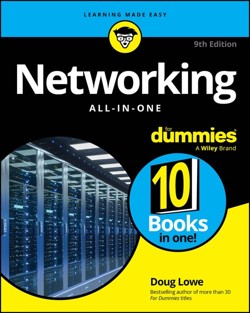
Networking All-in-One For Dummies

Wtf Is My Password

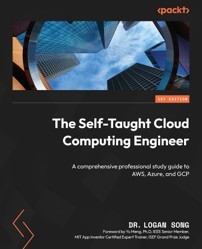
The Self-Taught Cloud Computing Engineer

Software Architecture: The Hard Parts
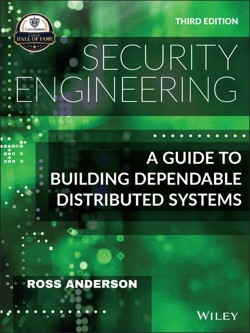

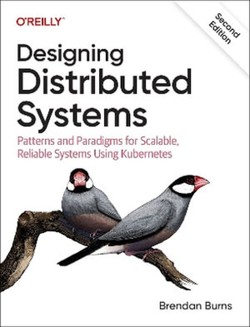

Social Engineering


Microsoft 365 and SharePoint Online Cookbook


The Site Reliability Workbook
Network Flows

The TCP/IP Guide

Enterprise Integration Patterns
Systems Performance

Implementing Service Level Objectives

Threats


Ansible - Up and Running

Networking All-in-One For Dummies

Security-Driven Software Development

Access Control and Identity Management

How to Make Sense of Any Mess
Network+ Guide to Networks, 8th Edition

Cybersecurity Career Master Plan



Microsoft Azure For Dummies


Building Secure and Reliable Systems


Internet Email Protocols
Guide to Operating Systems

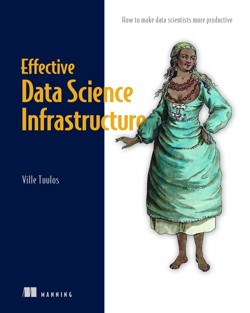
Effective Data Science Infrastructure
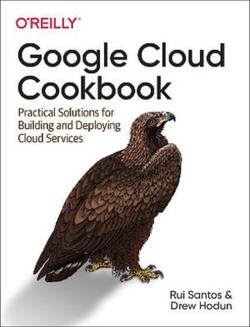
Google Cloud Cookbook
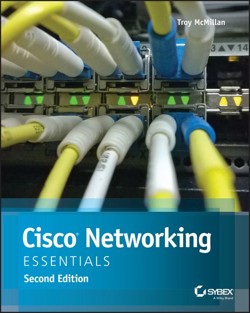
Cisco Networking Essentials


Networking All-in-One For Dummies

WebEx Web Meetings For Dummies