Managing Social Purpose Driven Organizations by Wee Beng Geok
The book explores organizational and management issues encountered by charities and volunteer welfare organizations in Singapore through case studies. The book illuminates the understanding the inter-relationships of contexts, actions and outcomes among the organizations, their stakeholders and external environments.You might also like
The Let Them Theory

The Coaching Habit
Traction
Extreme Ownership
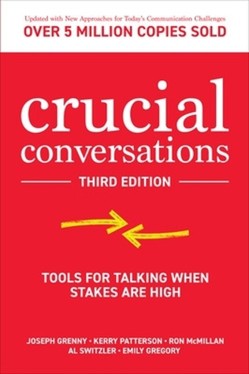
Crucial Conversations: Tools for Talking When Stakes are High, Third Edition
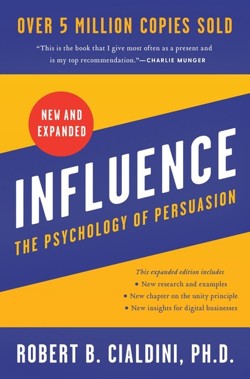
Influence, New and Expanded

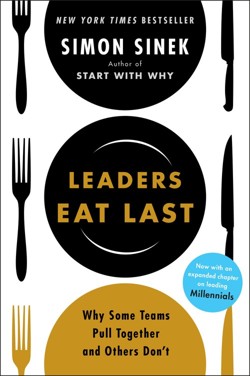
StrengthsFinder 2.0

The E-Myth Revisited

Buy Back Your Time

-
 Intellectual Capital and Knowledge Management
-
 Ethical Branding and Marketing
- Crisis, Organisation and Meaning
-
 Green Human Resource Management in Chinese Enterprises
-
 Managing Technological Development
-
 Resources, Technology and Strategy
-
 Digital Transformation and Cooperatives
-
 Embracing Circular Economy in Palm Oil Industry
-
 MSME Development in South and Southeast Asia
-
 Paradigm Shifts in Management Theory
-
 Enterprise Risk Management
-
 Regional Climate Leadership in East Asia and the Pacific
-
 AI-Powered Sustainability
-
 Entrepreneurship in the Creative Industries
-
 Governance of Halal Logistics and Supply Chains
-
 Sustainable Business in the Era of Digital Transformation
-
 Business Relationships and Networks
-
 How to Manage and Survive during a Global Crisis
-
 Hofstede Matters
-
 Corporate (Social) Responsibility under Authoritarianism
-
 Entrepreneurship Education and Internationalisation
-
 Frugal Innovation and the New Product Development Process
-
 The Internationalization of Small to Medium Enterprises
-
 Mergers and Acquisitions
-
 Monitoring Business Performance
-
 Pioneers in Marketing
-
 Cyberloafing in Organizations
-
 Understanding Procrastination at Work
-
 Design Thinking in Cultural and Heritage Management
-
 Entrepreneurship in the BRICS
-
 Job Design and Technology
-
 Start-up Strategy and Entrepreneurial Development
-
 Navigating the Ecological Transition
-
 Strategies, Leadership and Complexity in Crisis and Emergency Operations
-
 The Foundations of Management Knowledge
-
 Managerial Flow
-
 Organizations and Working Time Standards
-
 The Business of Gamification
-
 Recession at Work
-
 Management, Society, and the Informal Economy
-
 Management in Africa
-
 Middle Managers In Europe
-
 Decision-making for New Product Development in Small Businesses
-
 Managing Project Ending
-
 Decision-Making Groups and Teams


‘There are critical differences between the management of profit-driven enterprises and those that prioritise social good, and yet there are few books that attempt to explicate them, particularly in the Asian contextThis volume fills an important gap in the literature by making these differences clear. The case studies and associated commentaries provide important learning opportunities managers and students alike.’ — Jonathan E. Ramsay, Senior Lecturer at Singapore University of Social Sciences
‘The Social Service sector in Singapore is evolving to meet the changing needs of our society. Social Service organizations have to build capability and capacity to address increasing complexity of social issues. This implies not only being able to hire, retain and motivate the right people in adequate numbers. It also means that the organizations themselves, their policies, and even their boards, have to stay relevant to meet the needs of beneficiaries. This is, therefore, a timely book, as it aptly describes the current situation of Singapore's Not-for-Profit sector, and provides several illustrative cases of organizations that have been able to create impact in this environment. It should be read by all members of management and boards of the sector, as well as by leaders in the government areas related to non-profits, as a guide to accelerate the evolution of these organizations.’ — Fermin Diez, Deputy CEO and Group Director, National Council of Social Service, Human Capital Development Group
‘The rapid rise of third sector organizations (TSOs) across the globe deserves a book such as this to help us understand better the issues and challenges in managing non-profit organizations and NGOs. This book provides very interesting insights how TSOs engaged for-profit organizations, government agencies and the public to deliver the social agenda. The book is an interesting read as it reflects the complexities and realistic views in managing TSOs in a local context which are not easily found in management textbooks. The book uses the systems thinking approach which helps readers to appreciate the inter-connectivity of different parts of the organizations and the holistic view of the operating environment underpin TSOs. I highly recommend this book to people who are passionate about fulfilling the social purpose of TSO.’— Nigel Phang, Associate Professor, Nanyang Technological University, Singapore
'The book covers well the breadth of context and history of the case organizations while at the same time clearly pointing out the key organizational concerns in each case. This combination of in-depth study and broad description of cases will help undergraduate students understand why and how SPDOs behave and/or strategize in the ways they do, and what the outcomes are… Although this book discusses the Singaporean context only, it provides a detailed overview of the country, such as Singapore becoming a signatory to the UN Convention on the Rights of Persons with Disabilities, and presents such context as critical to the operations of SPDOs. Therefore, an understanding of how organizational behaviour and market conditions may change depending on the macro-international and national contexts can lead to lively debates and discussions…' — Academy of Management Learning & Education (doi: 10.5465/amle.2019.0039)
‘There are critical differences between the management of profit-driven enterprises and those that prioritise social good, and yet there are few books that attempt to explicate them, particularly in the Asian context. This volume fills an important gap in the literature by making these differences clear. The case studies and associated commentaries provide important learning opportunities managers and students alike.’ — Jonathan E. Ramsay, Senior Lecturer at Singapore University of Social Sciences
‘The Social Service sector in Singapore is evolving to meet the changing needs of our society. Social Service organizations have to build capability and capacity to address increasing complexity of social issues. This implies not only being able to hire, retain and motivate the right people in adequate numbers. It also means that the organizations themselves, their policies, and even their boards, have to stay relevant to meet the needs of beneficiaries. This is, therefore, a timely book, as it aptly describes the current situation of Singapore's Not-for-Profit sector, and provides several illustrative cases of organizations that have been able to create impact in this environment. It should be read by all members of management and boards of the sector, as well as by leaders in the government areas related to non-profits, as a guide to accelerate the evolution of these organizations.’ — Fermin Diez, Deputy CEO and Group Director, National Council of Social Service, Human Capital Development Group
‘The rapid rise of third sector organizations (TSOs) across the globe deserves a book such as this to help us understand better the issues and challenges in managing non-profit organizations and NGOs. This book provides very interesting insights how TSOs engaged for-profit organizations, government agencies and the public to deliver the social agenda. The book is an interesting read as it reflects the complexities and realistic views in managing TSOs in a local context which are not easily found in management textbooks. The book uses the systems thinking approach which helps readers to appreciate the inter-connectivity of different parts of the organizations and the holistic view of the operating environment underpin TSOs. I highly recommend this book to people who are passionate about fulfilling the social purpose of TSO.’— Nigel Phang, Associate Professor, Nanyang Technological University, Singapore
'The book covers well the breadth of context and history of the case organizations while at the same time clearly pointing out the key organizational concerns in each case. This combination of in-depth study and broad description of cases will help undergraduate students understand why and how SPDOs behave and/or strategize in the ways they do, and what the outcomes are… Although this book discusses the Singaporean context only, it provides a detailed overview of the country, such as Singapore becoming a signatory to the UN Convention on the Rights of Persons with Disabilities, and presents such context as critical to the operations of SPDOs. Therefore, an understanding of how organizational behaviour and market conditions may change depending on the macro-international and national contexts can lead to lively debates and discussions…' — Academy of Management Learning & Education (doi: 10.5465/amle.2019.0039)
Wee Beng Geok was Associate Professor (Strategy, Management and Organization) at the Nanyang Business School, Nanyang Technological University. In 2000, she set up the Asian Business Case Centre at the Nanyang Business School and was its Director for 15 years. She has held functional and general management positions in the corporate sector and served on the boards of several firms listed on the Singapore Stock Exchange. An advocate of systemic thinking and management, she received her PhD in Management Systems and Sciences from the University of Hull.
| SKU | Unavailable |
| ISBN 13 | 9780367350758 |
| ISBN 10 | 0367350750 |
| Title | Managing Social Purpose Driven Organizations |
| Author | Wee Beng Geok |
| Series | Routledge Advances In Management And Business Studies |
| Condition | Unavailable |
| Binding Type | Paperback |
| Publisher | Routledge |
| Year published | 2019-06-05 |
| Number of pages | 154 |
| Cover note | Book picture is for illustrative purposes only, actual binding, cover or edition may vary. |
| Note | Unavailable |
Customers who bought this item also bought
The Let Them Theory
The Coaching Habit
Traction
Extreme Ownership
Crucial Conversations: Tools for Talking When Stakes are High, Third Edition
Influence, New and Expanded
StrengthsFinder 2.0
The E-Myth Revisited
Buy Back Your Time
The 21 Irrefutable Laws of Leadership
Fanatical Prospecting
Inner Excellence

Profit First

The Ideal Team Player
The 6 Types of Working Genius

The New One Minute Manager
High Output Management
The AI-Driven Leader


The New Emotional Intelligence
HBR Guide to Buying a Small Business
Crucial Conversations: Tools for Talking When Stakes are High, Third Edition