Deliberative Acts by Arabella Lyon
Offers a theory of performative deliberation, arguing that speech acts, performances, and performatives constitute citizens, agency, and events. Through analysis of human rights conflicts, it reveals difference's productivity and necessity as it demonstrates the power of performative theory.You might also like
Communication
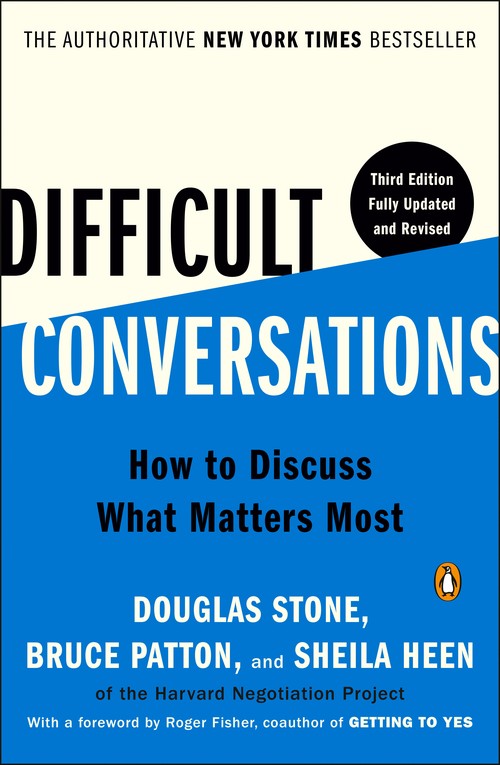
Difficult Conversations
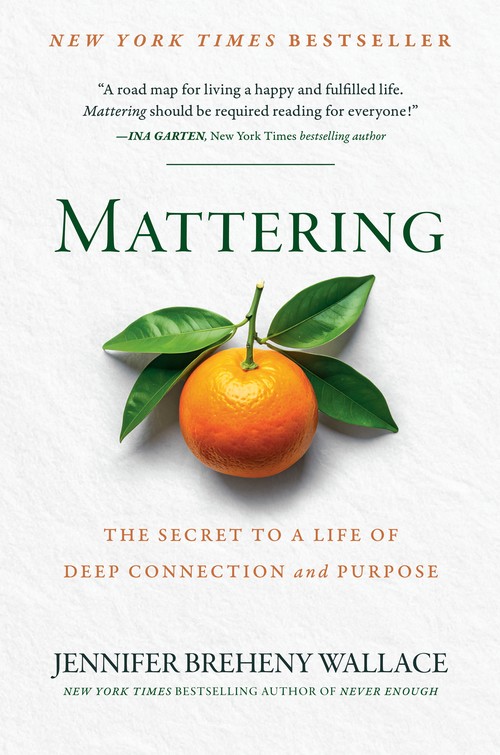
Mattering

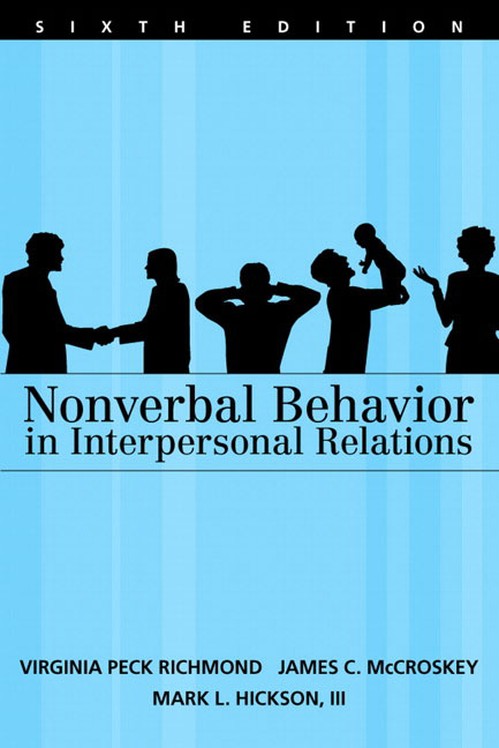
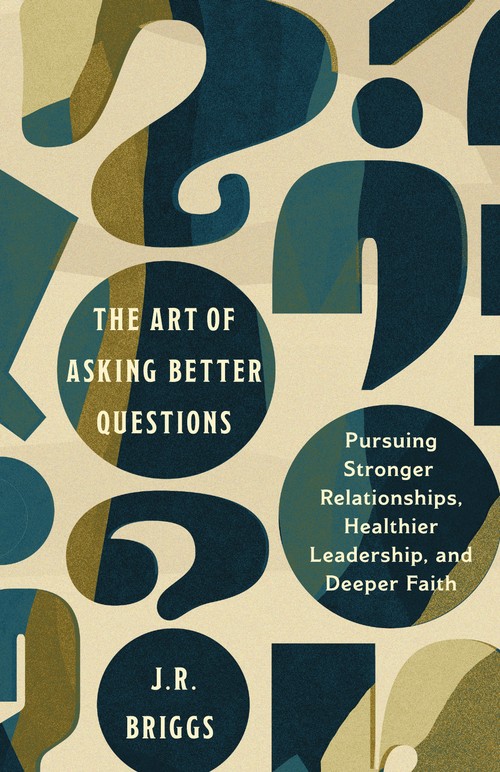
The Art of Asking Better Questions


Becoming Bulletproof

The Brain
The Laws of Thought

-
 The Problematic Public
-
 Remembering the War, Forgetting the Terror
-
 Becoming La Raza
-
 Memories of Lincoln and the Splintering of American Political Thought
-
 Rhetorics of Democracy in the Americas
-
 From Apartheid to Democracy
-
 What It Feels Like
-
 Constitutive Visions
-
 Voting Deliberatively
-
 Beyond Civility
-
 Dewey for a New Age of Fascism
-
 Speaking Hatefully
-
 How to Belong
-
 Homeless Advocacy and the Rhetorical Construction of the Civic Home
-
 Votes That Count and Voters Who Don’t
-
 After Gun Violence
-
 Thinking Together
-
 Challenges of Ordinary Democracy
-
 The Australian Citizens’ Parliament and the Future of Deliberative Democracy
-
 Rhetorical Citizenship and Public Deliberation
-
 Confessional Crises and Cultural Politics in Twentieth-Century America
-
 Speech and Debate as Civic Education
-
 The Evolving Citizen
-
 Letters to Power
-
 Championing a Public Good
-
 Struggle for the City
-
 The Rhetoric of Judging Well
-
 Used, Abused, and Sidelined
-
 Democracy and the Politics of Silence
-
 Combating Hate
-
 Deportable and Disposable


“Deliberative Acts provides a trenchant critique of the theoretical premises of persuasion, argumentation, and identification dominating Western rhetoricArabella Lyon delivers a versatile theory of deliberation as a formative act wherein differences are generative and constitutive of relational agency. Lyon focuses on paradigmatic human rights struggles to reveal the limits of liberal models of democracy and their diminishment of interpretive differences. Her astute analysis of human rights as relationships shows deliberation’s ability to transform our understanding of cross-cultural rights practices. This book is relevant for all interested in how globalization continues to shift our understanding of rights and of deliberation itself.”
—Wendy S. Hesford, author of Spectacular Rhetorics: Human Rights Visions, Recognitions, Feminisms
“Cross-cultural interactions in the global era call for pluralistic thinking, engagement with situated difference, and keen awareness of one’s own discursive blind spots. Thanks to Arabella Lyon, we now have an insightful and compelling framework for enacting such interactions and performing deliberative acts that privilege contingency, transformation, and initial moments of recognition.”
—LuMing Mao, Miami University
“Arabella Lyon’s Deliberative Acts: Democracy, Rhetoric, and Rights is an important and exciting work of rhetorical theory that effectively challenges a central paradigm of rhetoric—persuasion—and argues for a concept of deliberation that is rooted in its performance as a speech act. I was repeatedly impressed by Lyon’s ability to engage the political discourse she analyzes and theorizes. She accomplishes a rare thing: she develops a theory nuanced and powerful enough to provide genuine insight into the complicated and ongoing speech practices that shape and reshape individuals, cultures, and political orders. She does justice to the dynamic interaction between speaker and interlocutor in ways that few works of rhetorical theory have managed to do. The power of Lyon’s theory is borne out in her very helpful analyses of the construction of the abuse of al-Obeidi, the misrepresentation of the Chinese policy of one child, and the complex role of performative speech in the history of the women’s suffrage movement. Her analyses exemplify the dynamic, evolving, and open-ended process of deliberation that she theorizes. This book will change and invigorate the ways we think and speak about the nature and consequences of speech as political action.”
—James Kastely, University of Houston
“Arabella Lyon’s Deliberative Acts is an exceptional treatment of human rights rhetoric with consequential ramifications for public deliberation and democratic cultures. Lyon offers readers overlapping concepts of deliberative ‘performance, performatives, and performativity’ as alternatives to the traditional emphasis on persuasion, identification, and consensus, while advancing substantive arguments for dealing with human differences in diverse and transnational contemporary life. Incisive and lucid, Deliberative Acts ranges widely across major philosophical perspectives on deliberative theory, considering classical sources such as Aristotle and Confucius, as well as twentieth-century writers such as Hannah Arendt, Kenneth Burke, John L. Austin, Judith Butler, and several accomplished feminist epistemologists and social justice theorists. Lyon’s sustained engagement with these intellectuals’ works scrutinizes their limitations respectfully, salvaging useful concepts and insights along the way, and places them in dialogue with each other to generate alternatives.”
—Lester C. Olson, University of Pittsburgh
“Arabella Lyon’s Deliberative Acts challenges the central assumptions of deliberative rhetoric and offers exciting new ways of reading, responding to, and creating democratic forms of life. This absorbing book analyzes human rights discourses from the perspective of performance theory, emphasizing issues of recognition, difference, and agency. Lyon develops her analysis by examining a wide range of cases: missing women in Asia, the Rigoberta Menchú controversy, and debates about women’s studies in the United States, Uzbekistan, China, and Japan.”
—Susan Wells, Temple University
“In Deliberative Acts, Arabella Lyon presents a cogent argument for the performative role of deliberative rhetoric in addressing the problem of human rights. She powerfully advocates what might be called a rhetorical hermeneutics of narrative aimed at achieving a more complex recognition of others as a ground for global human rights deliberation leading to political action.”
—Steven Mailloux, Loyola Marymount University
“Lyon’s critique of deliberation in human rights discourse, particularly her departure from identification as a valid tool in persuasion across difference, is important and should be a foundational one for those of us working in rights discourse because it cuts to the very methodology on which rights claims, particularly within official channels like the UN, have historically been predicated.”
—Belinda Walzer Philosophy and Rhetoric
“Lyon’s illustrative case studies and vital reconstitution of key rhetorical concepts provide essential critical frameworks for scholars and teachers working at the intersection of rhetoric and human rights studies and, more broadly, those interested in the performance of democracy.”
—Wendy S. Hesford Southern Anthropological Society
“Coming out of a background of attempting to introduce conceptions of universal human rights—especially the rights of traditionally subordinate or marginalized groups such as the outsider, the stranger, women, or the handicapped—into pre‐modern, often patriarchal societies, Lyon sees rhetoric more as a species of narrative hermeneutic or performative art that is on‐going, rather than reaching a predetermined end or being restricted to a single issue, that is open to contingency and the intrusion of unexpected topics as important for the other side, in which the ‘positions’ of both sides must be ready and open to evolution and transformation almost beyond recognition.”
—Patrick Madigan Heythrop Journal
Arabella Lyon is Associate Professor of English at the University at Buffalo. Her 1998 book Intentions: Negotiated, Contested, and Ignored (Penn State) won the W. Ross Winterowd Award from the Association of Teachers of Advanced Composition.
| SKU | Unavailable |
| ISBN 13 | 9780271059754 |
| ISBN 10 | 0271059753 |
| Title | Deliberative Acts |
| Author | Arabella Lyon |
| Series | Rhetoric And Democratic Deliberation |
| Condition | Unavailable |
| Binding Type | Paperback |
| Publisher | Pennsylvania State University Press |
| Year published | 2015-05-15 |
| Number of pages | 232 |
| Prizes | Winner of Rhetoric Society of America Book Award 2014 |
| Cover note | Book picture is for illustrative purposes only, actual binding, cover or edition may vary. |
| Note | Unavailable |
Customers who bought this item also bought
Communication
Difficult Conversations
Mattering
The Art of Asking Better Questions
Becoming Bulletproof
The Brain
The Laws of Thought
A Little More Social





Lessons from Ukraine
Black Flags (Pulitzer Prize Winner)

Enough Already

Validation


Soft-Wired
Korea: The Impossible Country